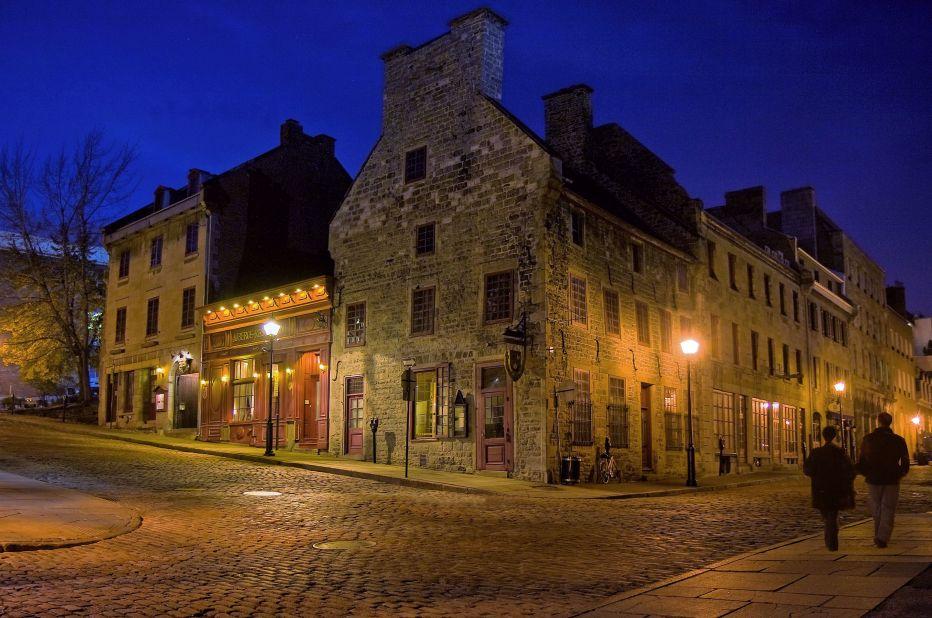
Historic District of Montreal -- Montreal's oldest neighborhood, known as Old Montreal, dates back to 1605 when it was first established as a fur trading post by Samuel de Champlain.
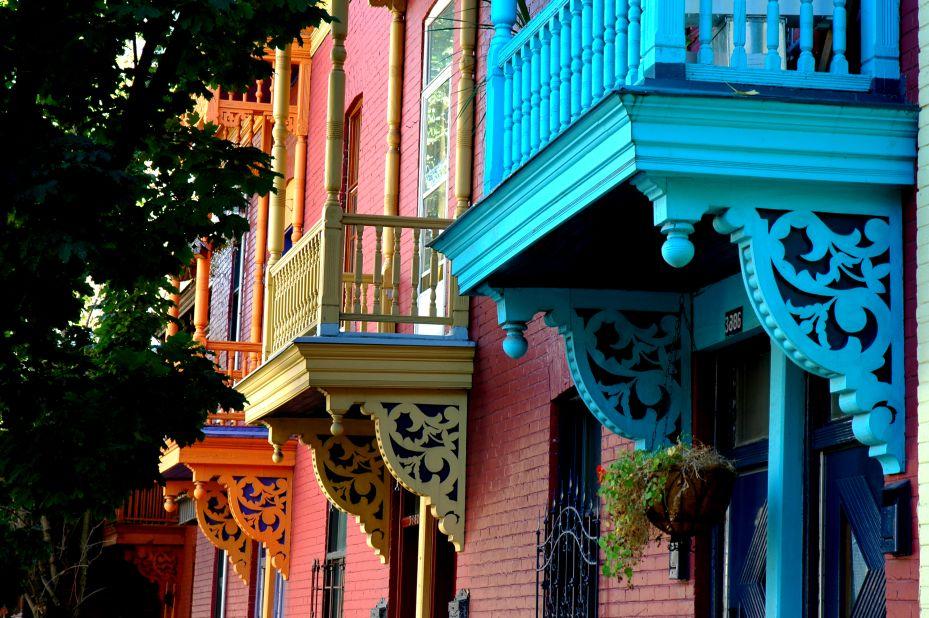
Le Plateau - The streets of Le Plateau-Mont-Royal are adorned with Victorian row houses painted in charming and vibrant colors, creating a whimsical atmosphere. This artistic and upscale neighborhood is known for its unique architecture and creative vibe.
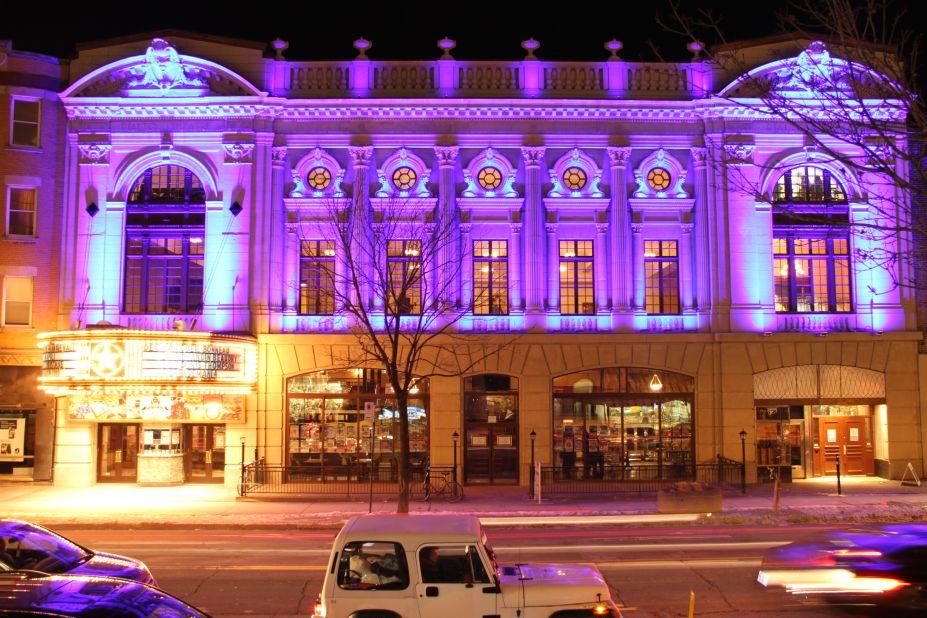
Mile End is a vibrant neighborhood where you can find the beautifully designed Théâtre Rialto. Built in the 1920s, this neo-baroque theater has become a popular venue for various performances and events.
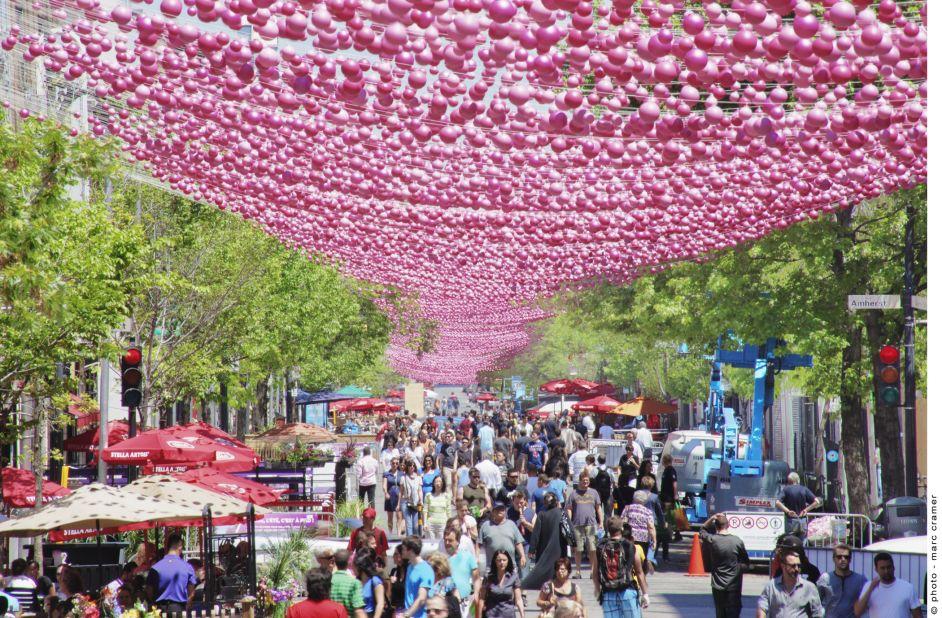
The Gay Village -- The Boules Roses -- a collection of pink balls designed by Claude Cormier -- have become an iconic symbol of The Village.
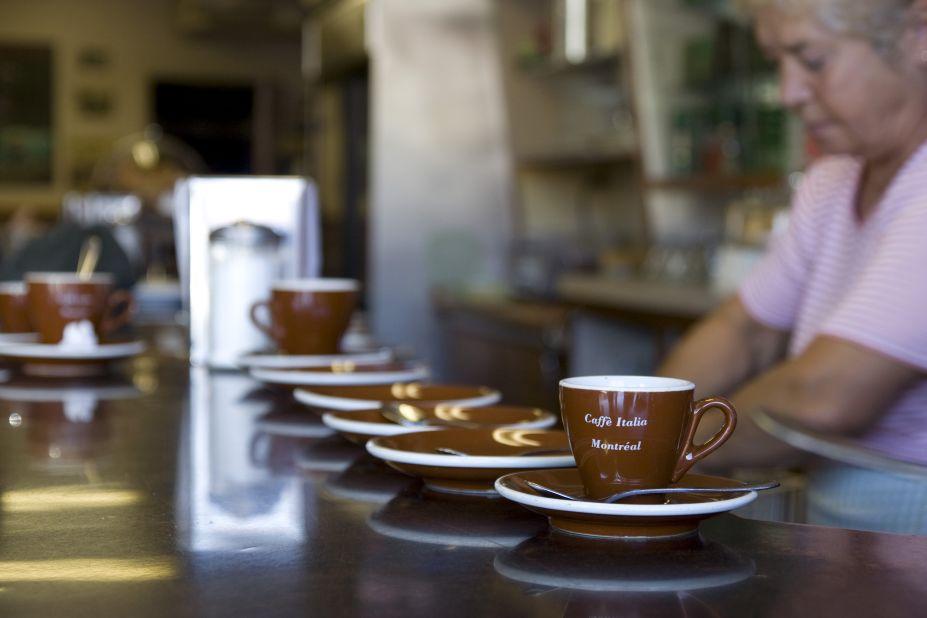
The Italian Neighborhood -- Little Italy, a vibrant community in Montreal, is known for its significant population of Italian residents. Apart from being a home to Montreal's Italian community, Little Italy is a popular destination for both locals and tourists due to its wide selection of charming cafes and restaurants.
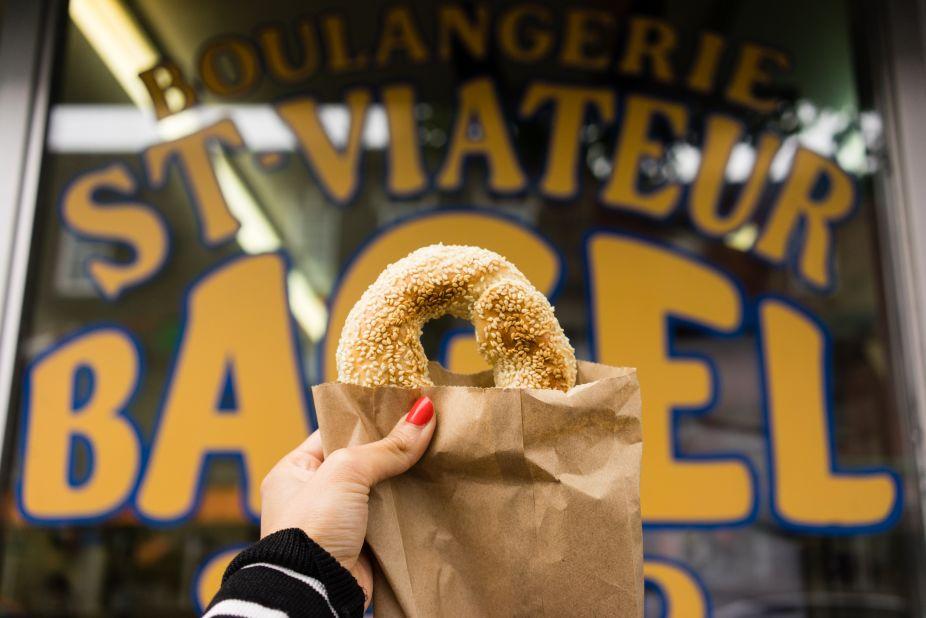
Rich Jewish History -- The Historic Jewish Quarter showcases its vibrant heritage through iconic culinary establishments like Schwartz's Deli and St.-Viateur Bagel Shop.
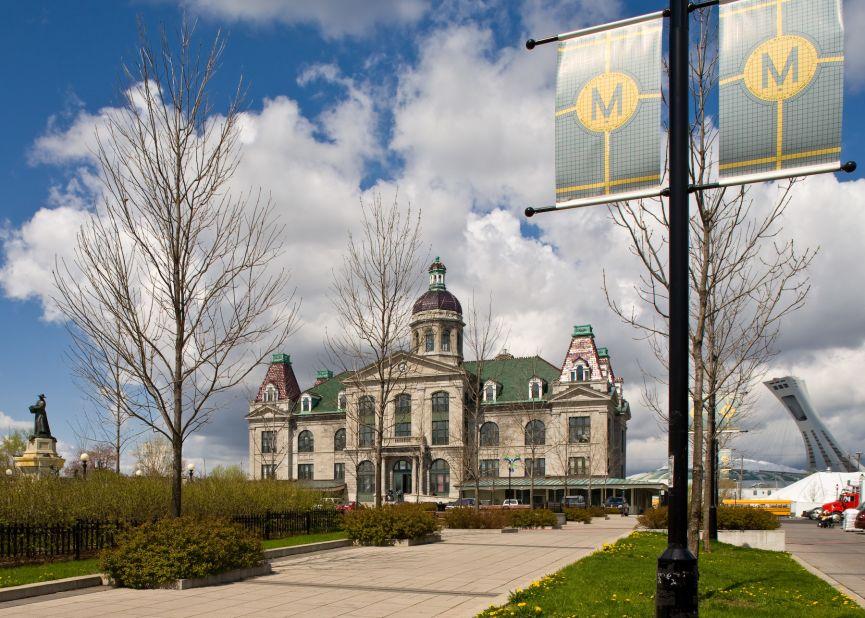
Hochelaga-Maisonneuve -- The expansive and bustling Maisonneuve public market is widely regarded as one of the most cherished establishments in this locality.
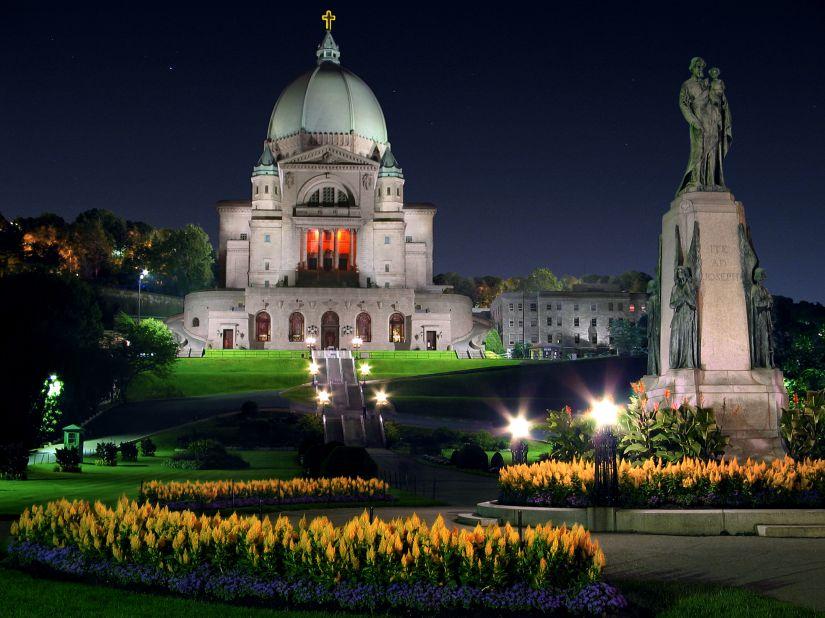
Côte-des-Neiges -- Canada's largest church, St. Joseph's Oratory, overlooks the diverse Côte-des-Neiges neighborhood.
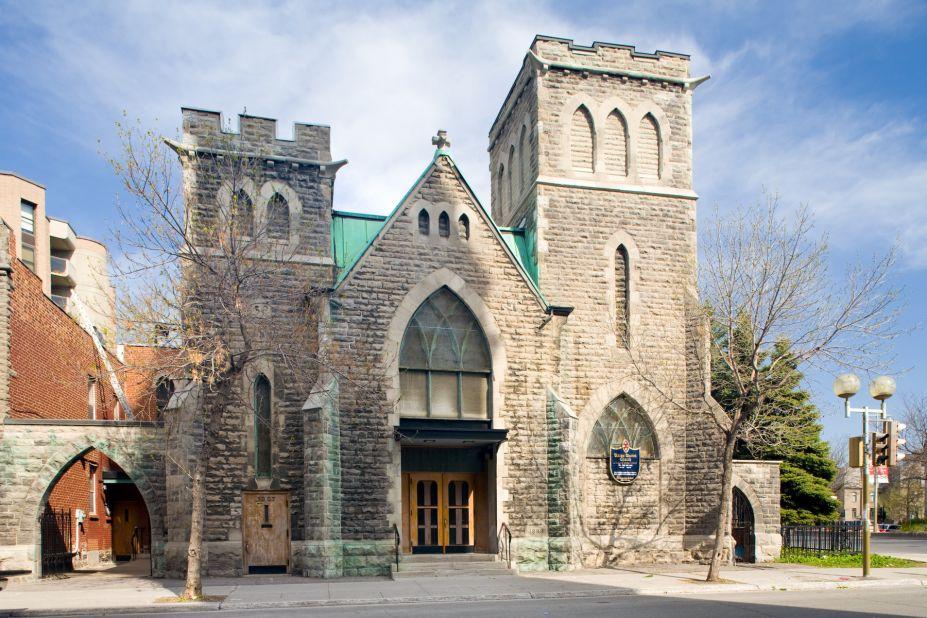
Historic Congregation in Little Burgundy - Union United Church in Little Burgundy is home to the oldest black congregation in Canada. With a rich history and deep roots within the community, this church has served as a place of worship for generations.
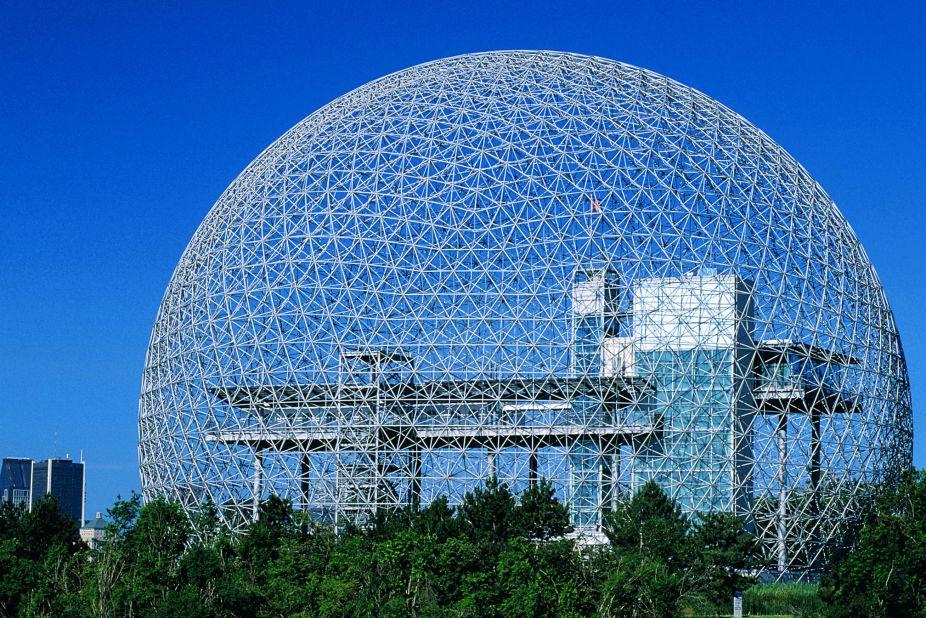
The Islands -- The former US Pavilion from the Expo 67 world's fair is now the Biosphere environmental museum.
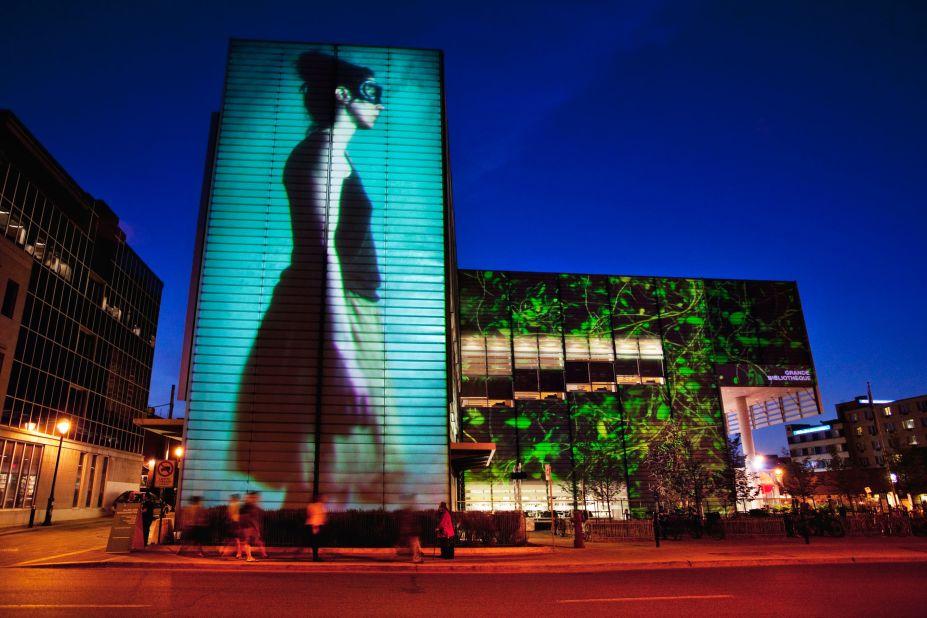
Quartier des Spectacles is the heart of performance arts nestled between the antiquated charm of the Old Town and the distinguished walls of the McGill University. This region derives its name from the underlying culture of spectacle and performances to which it is deeply rooted.
Becoming the abode of over 200 different ethnicities, Montreal proudly embodies an urban mosaic of cultures. Each ethnicity has woven its own story in the city's tapestry, crafting pockets of unique neighborhoods - some emerging centuries ago, while others representing the essence of the 21st century.
This year is extraordinary as the city bursts in joyous celebrations of its 375th birthday. However, irrespective of the year, the vibrant and eclectic districts of the city offer an exciting journey for its visitors.
Mentioning the uniqueness of the city's districts, Danny Pavlopoulos, an expert guide for Montreal's gastronomic delight withSpade & Palacio, emphasizes, “Montreal is undeniably a city defined by its boroughs and distinct neighborhoods”. He notes, “Their variety is staggering. They are located close to one another, yet each one is exceptionally different from the rest.”
Illuminating the diverse culinary experiences offered by the city, Pavlopoulos guided a food tour. It ranged from the exotic Salvadoran pupusas and horchata in La Petite-Patrie, to gourmet cheeses, rare mushrooms and delightful gelatos in Little Italy, and to the modern day hipster cravings of specialist coffee and craft brews in Mile-Ex. These varied gastronomic precincts are all strolling distance from each other, within 20 minutes or less.
Montreal's diverse regions never cease to astonish, even to those who have resided there all their lives. The cities, small towns, and hidden alleyways of Montreal conceal such innumerable mysteries that it's a sheer joy to discover and comprehend them- a sentiment beautifully captured in Monique LaRue's prizewinning novel, “L’Oeil de Marquise” in 2009, which still echoes to this day.
An interesting incident shared by Tyler Wood from the Montreal History Center succinctly sums up the surprising variety of Montreal's cityscape. While navigating through a neighborhood he thought he was familiar with, he took a different turn only to unexpectedly stumble upon a Buddhist temple quietly nestled amidst the lively streets of Little Italy!
The city's architectural amalgamation truly reflects its multicultural society. Each neighborhood boasts its own unique personality, a mix of old charm and modern flair. No matter how well you think you know Montreal, a new surprise awaits at every turn!
Montreal possesses a unique charm with its well-preserved inner-city neighborhoods that still stand tall, despite the intensity of urban development," introduced Wood. "Without a doubt, there have been instances of destruction, building replacements, and an increase in automobile-dependent projects. Yet, parts of the town still resonate with a sense of approachability. The organized street layout, the trustworthy public transportation system, and the increasing bike path networks make these neighborhoods quite navigable."
The energetic spirit of Montreal came to life during my cycling adventure on a tour guided by Ca Roule Montreal's Michel Thériault. Our journey cut across different neighborhoods - from iconic Old Montreal to the vibrant Gay Village, capturing the milieu of Le Plateau-Mont-Royal and the rich history of the Jewish quarter, before looping back to the scenic St. Lawrence River waterfront. You can explore more about the tour on Ca Roule Montreal.
With numerous ways to discover the city - by foot, bike, or public transportation - every corner of Montreal begs for exploration. Below wait twelve neighborhoods that will jumpstart your adventure in the city:
Old Montreal
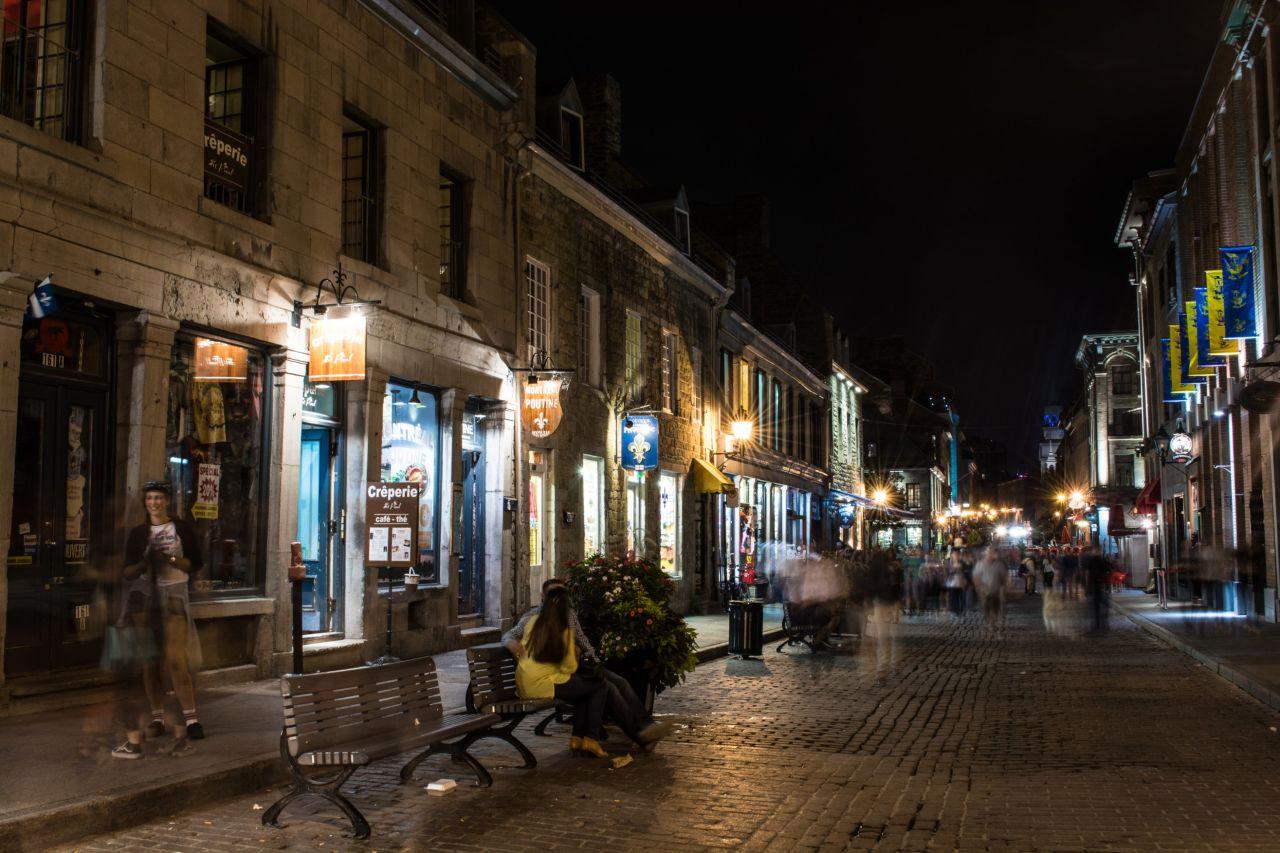
Today, the city’s oldest district, founded as a fur trading post in 1605 by Samuel de Champlain, is a mélange of shops, bars and sidewalk cafes that attracts visitors and locals in equal measure.
It’s also become the hip place to crash on a Montreal sojourn, with hotels like Le Petit Hôtel and the new Hotel William Gray creatively adapting old buildings into cool places to stay. If you're in town for a quick visit or an extended stay, make sure to explore the various hotel deals in Montreal on www.quebechotels.info to ensure you get the best value for your visit.
Thirty years ago, this wasn’t the case. Many of the Vieux-Montréal structures were vacant, and most of the residents had fled to other areas, draining the neighborhood of life. But since listed historical buildings cannot be torn down, in recent years people began renovating them into modern business, entertainment and residential spaces.
Among the neighborhood landmarks are the Notre-Dame Basilica, the Pointe-à-Callière museum of history and archeology and the Old Port (Vieux-Port) where bygone docks, warehouses and grain silos have morphed into venues for summer swimming, winter ice skating, food festivals and IMAX films.
Le Plateau-Mont-Royal
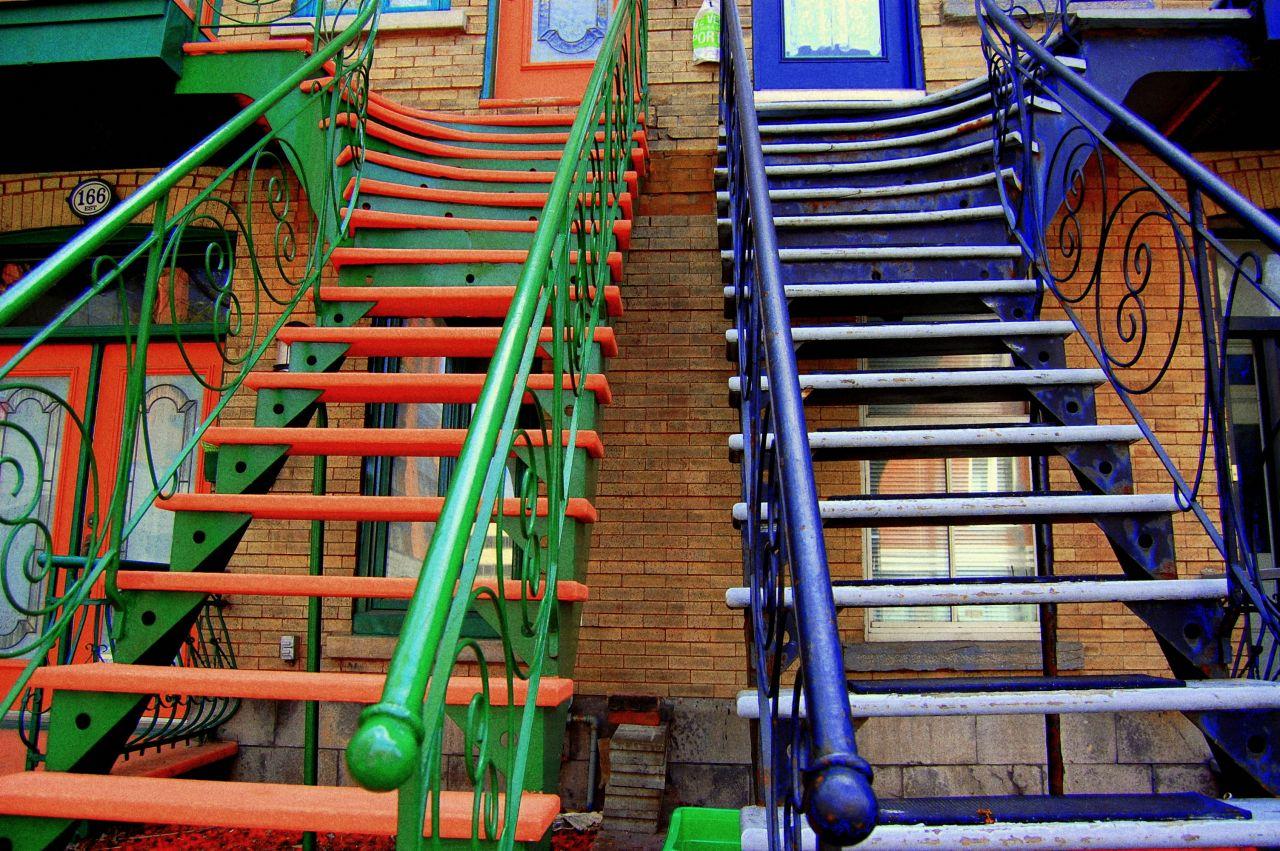
The vibrant Plateau district in Montreal is brimming with activity, thanks to its array of bars, coffeehouses and the beautiful Parc la Fontaine marked by winding lakes and delightful white squirrels. This district gracefully skirts the northern boundary of Mont Royal and the esteemed McGill University.
The Plateau has seen a high degree of gentrification, transitioning into a fashionable, creative hub where locals commute on bicycles, convert their alleyways into art-filled gardens, and meticulously preserve the aesthetic iron stairs and vibrant exteriors of their Victorian-era homes.
The Plateau, in many ways, mirrors the eclecticism of Berkeley on the east coast. Its neighborhood and mayor often project a strong stance, particularly on the subjects of cars and traffic regulations. A rich network of bicycle paths, broadened pedestrian walkways and a proliferation of parks have drastically cut down car traffic, rendering it one of Canada's finest urban locales to live.
Rent rates in the district have seen a steep hike in recent times," says local resident, Thériault. "However, the culinary scene has blossomed alongside, increasing the availability of coffee shops and patisseries. Delicacies from various French regions can be savored, making the hunt for a perfect croissant fairly hassle-free. Securing an apartment in Le Plateau, though, is more challenging now due to the region's soaring popularity."
The Fascinating Mile End and Mile-Ex Neighborhoods
The neighborhoods of Mile End and Mile-Ex in Montreal capture the ideal blend of creativity, with many noted writers, artists, musicians and filmmakers choosing to call it home. Galleries, bookstores and entertainment hotspots are closely packed within this small, one-square mile area, a testament to the diverse range of artistic and cultural experiences you can find here.
Standing proudly as a key feature of the vibrant community is the Théâtre Rialto, a beautifully preserved movie palace from the 1920s. Currently, it offers a dynamic and varied program of cabaret, comedy, burlesque, as well as music and drama events throughout the year.
Meanwhile, younger and avant-garde artists are increasingly attracted by the allure of the neighboring Mile-Ex. Originally an industrial zone, now it bustles with studios and modern hangouts that set the tone for an upcoming hipster movement.
Mile End is also a special place for sci-fi fans worldwide. It's the very neighborhood that influenced young Captain Kirk – the birthplace and nurturing ground of the iconic actor William Shatner. Over time, these communities have evolved into an integral part of Montreal's compelling urban narrative, and continue to shape its cultural fabric.
La Petite-Patrie
Rather than having one distinct personality, this trendy neighborhood just north of Le Plateau cultivates two totally different vibes.
Chic shopping is the main event along the Rue Saint-Hubert, home to more than 400 boutiques, many of them one-off shops with unusual or offbeat items.
But the neighborhood also has a Latin flair, a delicious array of Hispanic eateries like the Salvadoran Resto Los Planes (their pupusas are to die for) or the Peruvian El Jibaro.
Gay Village
Simply called “The Village” by locals, this compact neighborhood sprawls along Rue Sainte-Catherine between the Plateau and the St. Lawrence River.
Once down and out, the area has morphed into a lively dining, drinking and entertainment hub where more than 80 bars and restaurants serve the city’s large LGBT community and anyone else looking for an alternative night out.
“Gay Village is a great example of Montreal’s neighborhoods continuing to evolve,” Thériault said. “A couple of decades ago, this was the city’s roughest area, the only place there was street crime. People shooting up, prostitutes on the street corners, people getting mugged.”
The gay residents who started moving in transformed the area, he said.
The area is synonymous with the Boules Roses – a canopy of pink balls by landscape architect Claude Cormier that hovers above a one-kilometer stretch of the Sainte-Catherine pedestrian zone.
The Village also hosts an annual summer event called Aires Libres that brings new, original and often startling public art to the neighborhood.
Little Italy
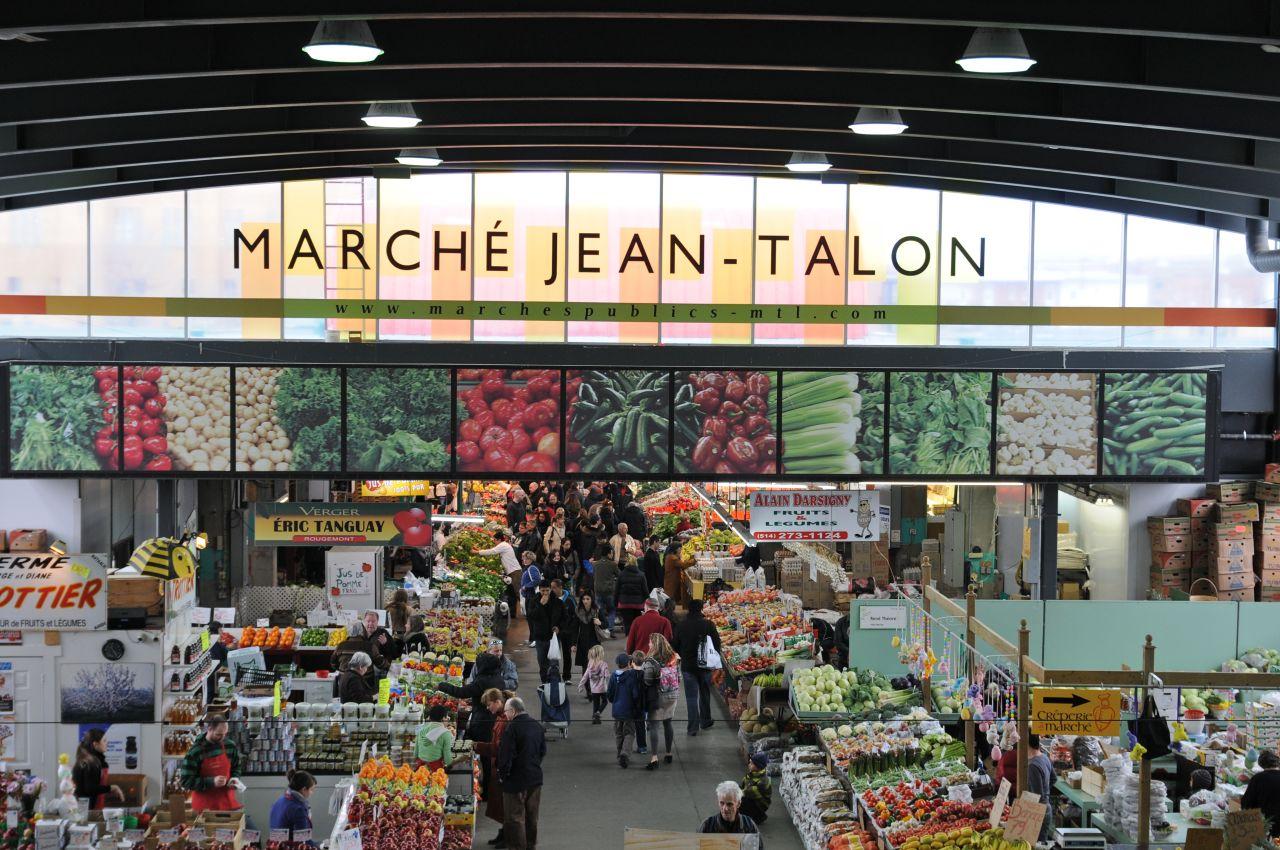
Italian influence in Montreal dates back to the 16th century, when a regiment from northern Italy was dispatched to bolster the king's forces in New France. This Italian presence in Montreal continued even centuries later, leaving cultural footprint in the city.
The neighborhood around the Jean-Talon Market became a thriving Italian community by the mid-20th century, eventually earning the designation of Little Italy. The market itself is a hub of Italian cuisines, reminding visitors of the rich culinary tradition of Italy.
At its heart, the red-brick Church of the Madonna della Difesa, a recognized national historic site, encapsulates the neighborhood's sense of community, attracting both locals and tourists alike for its architectural splendor.
Italian restaurants are found at every corner, serving traditional dishes for the food enthusiasts. However, a unique spot is the Dinette Triple Crown, renowned for its Southern fried chicken. They offer prepared baskets for guests wishing to enjoy a picnic in the Parc de la Petite-Italie, located just across the street - a lovely practice that subtly blends southern charm with Italian tradition.
The Jewish District Rich in History
It may not have been an Eastern European ghetto but the stretch of Boulevard St. Laurent situated between McGill University and Mile End has always been marked by a noticeable Jewish influence.
This rich and vibrant history of the neighborhood is preserved by the Museum of Jewish Montreal, which also memorializes the lives of notable inhabitants such as author Mordecai Richler. His famed works, which include "The Apprenticeship of Duddy Kravitz" placed this neighborhood in the literary map.
The culinary scene in this district is also a testament to its Jewish heritage. Iconic spots like Schwartz’s Deli and award-winning bakeries such as St. Viateur Bagel Shop were regular haunts of the renowned Richler and his created character, Duddy Kravitz.
Exploring Hochelaga-Maisonneuve
Nestled in Montreal, Hochelaga-Maisonneuve is a district notable for its connection to the First Nations inhabitants who formerly resided in this region. The name 'Hochelega' traces its roots back to the historical Iroquoian settlement visited by Jacques Cartier in the 1530s during his initial journey along the St. Lawrence River.
Today, the area garners recognition for being the locale of Montreal's Olympic Stadium and counterbalancing the urban buzz with the serene Parc Maisonneuve, boasting an exquisite botanical garden, fascinating insectarium, and intriguing planetarium.
Beyond these attractions, the area's crowning jewel might be the bustling and fragrant Marché Maisonneuve. Housed in a historical pavilion of early 20th-century stone architecture, the market showcases the bounty of Quebec's produce. The dozens of vendors within offer a variety of fruits, vegetables, meats, and fish indigenous to Quebec in addition to handcrafted cheeses and breads.
Experience the Multicultural Delights of Côte-des-Neiges
Immerse yourself in the vibrant tapestry of cultures that makes Côte-des-Neiges one of the most fascinating neighborhoods in Montreal. This bustling area is a melting pot of diverse communities, with over a hundred different ethnic groups calling it home.
As you wander down the lively Chemin de la Côte-des-Neiges, you'll be captivated by the aromatic mix of culinary treasures on offer. Indulge your taste buds in a plethora of international flavors, ranging from fragrant Thai dishes to delectable Middle Eastern delights.
Standing majestically above the neighborhood is St. Joseph's Oratory, a magnificent testament to faith and architectural grandeur. As the largest church in Canada, its soaring spires and intricate details never fail to impress.
But Côte-des-Neiges isn't just about the urban landscape. Nature enthusiasts will find solace in the nearby trails that wind through lush forests and peaceful cemeteries on Mont Royal's northern side. Get lost in the tranquility and beauty that this natural oasis has to offer.
With a vibrant blend of cultures, tantalizing cuisines, and awe-inspiring landmarks, Côte-des-Neiges is a neighborhood that never ceases to amaze.
Little Burgundy
Located near the Lachine Canal on the south side of downtown, Little Burgundy is one of Canada’s most celebrated black neighborhoods, as well as the cradle of Canadian jazz.
Although gentrification has changed the demographics of the district in recent years, the population was originally comprised of a blend of Caribbean immigrants and black people drawn from other parts of Canada by railway jobs, including the descendants of former slaves who escaped from the United States into Canada via the Underground Railroad.
Rockhead’s Paradise jazz club is long gone. But other Little Burgundy landmarks are still going strong, like Atwater Market and Union United Church, the nation’s oldest black congregation.
Rue Notre-Dame, the main drag through Little Burgundy, has become a haven for trendy little cafes and antique shops.
The Islands/Cité du Havre
Some might dispute that islands in the St. Lawrence River and an adjacent finger-shaped peninsula are actually neighborhoods, since they aren’t typical business or residential areas. But people do live there, in the famed Habitat 67 housing complex designed by architect Moshe Safdie for the Expo 67 world’s fair.
This urban archipelago is made up of two main islands: Île Sainte-Hélène, a natural island that French explorer Samuel de Champlain named after his wife, and Île Notre-Dame, an artificial island created in the 1960s from all the dirt and rock excavated during the creation of the Montreal Metro.
Both were obscure and under-utilized until Expo 67, when 50 million visitors passed through the islands. Many of the futuristic fair buildings were later adapted for other uses: the former US Pavilion is now the Biosphere environmental museum, while the French and Quebecois pavilions became the Montreal Casino.
FYI: The average purchase price of a Habitat 67 “cube” unit is around C $600,000.
Quartier des Spectacles
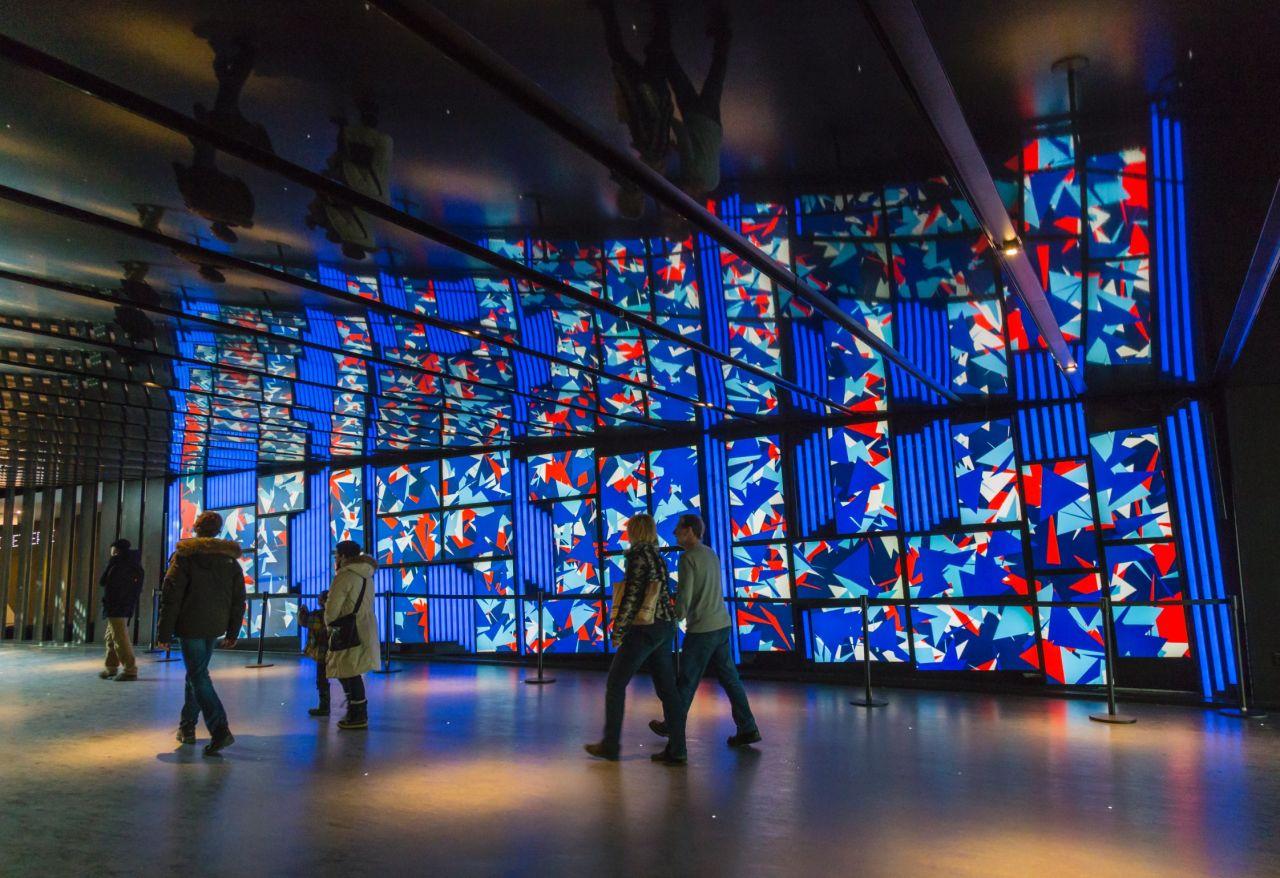
The Place des Arts is home a number of music and dance institutions.
As the name suggests, “spectacles” of one sort or another are the raison d’être of this flashy district between the Old Town and McGill University.
Though the district was conceived in the early 2000s as part of a concerted effort to boost Montreal’s cultural life, it’s now a bona fide inner city neighborhood that draws locals and visitors alike.
The quarter revolves around the Place des Arts cultural complex, home to the Montreal Opera and Symphony Orchestra as well as the Grands Ballets Canadiens. It’s also home to the Montreal Jazz Festival and Just For Laughs comedy fest.
Among its many other cultural institutions are Montreal’s central library, the Museum of Contemporary Art, the National Theatre School of Canada, the historic Club Soda music club and the Cinémathèque Québécoise.
Joe Yogerst is a freelance travel, business and entertainment writer based in California.