Barcelona is Spain's capital and most populous city. It's a holidaymaker's paradise, with beautiful beaches, casinos, nightclubs, theatres and much more. We all know what Barcelona means in terms of tourism and sights. There is so much to see and do in this city, below is a selection of the top 100 Barcelona tourist attractions that you can visit on your next visit to Barcelona.
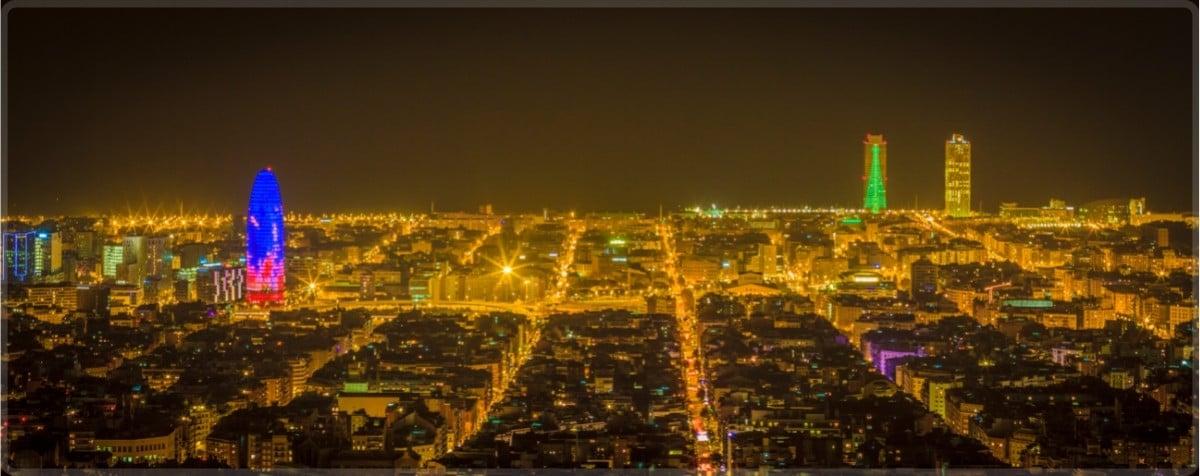
Barcelona skyline in night mode
There's a beach here. And medieval history, modernist architecture, Olympic spirit and avant-garde culture. Barcino, Barcelona or Barna, it doesn't matter what we call it, because the important thing is not that, but what it hides inside. And, precisely for this reason, we have listed 100 things about Condal City that you should know to get to know it or to consolidate your romance. Barcelona in love.
The Monjuïc Telecommunications Tower, designed by the architect Santiago Calatrava, resembles a sportsman holding a torch or a bow about to shoot an arrow.
The Montjuïc Communications Tower
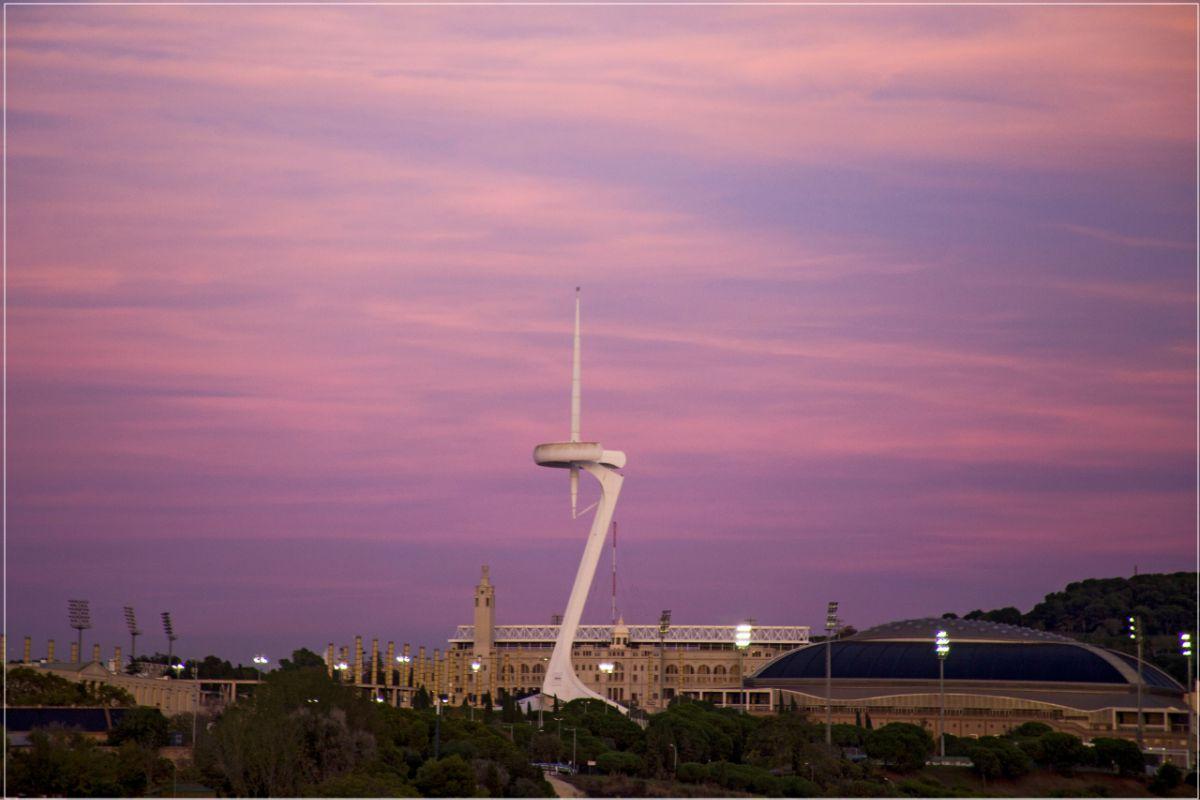
The structure of the Monjuïc Communications Tower, designed by architect Santiago Calatrava , resembles a sportsman holding a torch or a bow about to shoot an arrow, which fits in perfectly with the reason for its construction. It was designed for the Barcelona Olympic Games. Although many claim to see in its shape the tail of a whale plunging into the sea. It is clear, for tastes, telecommunication towers.
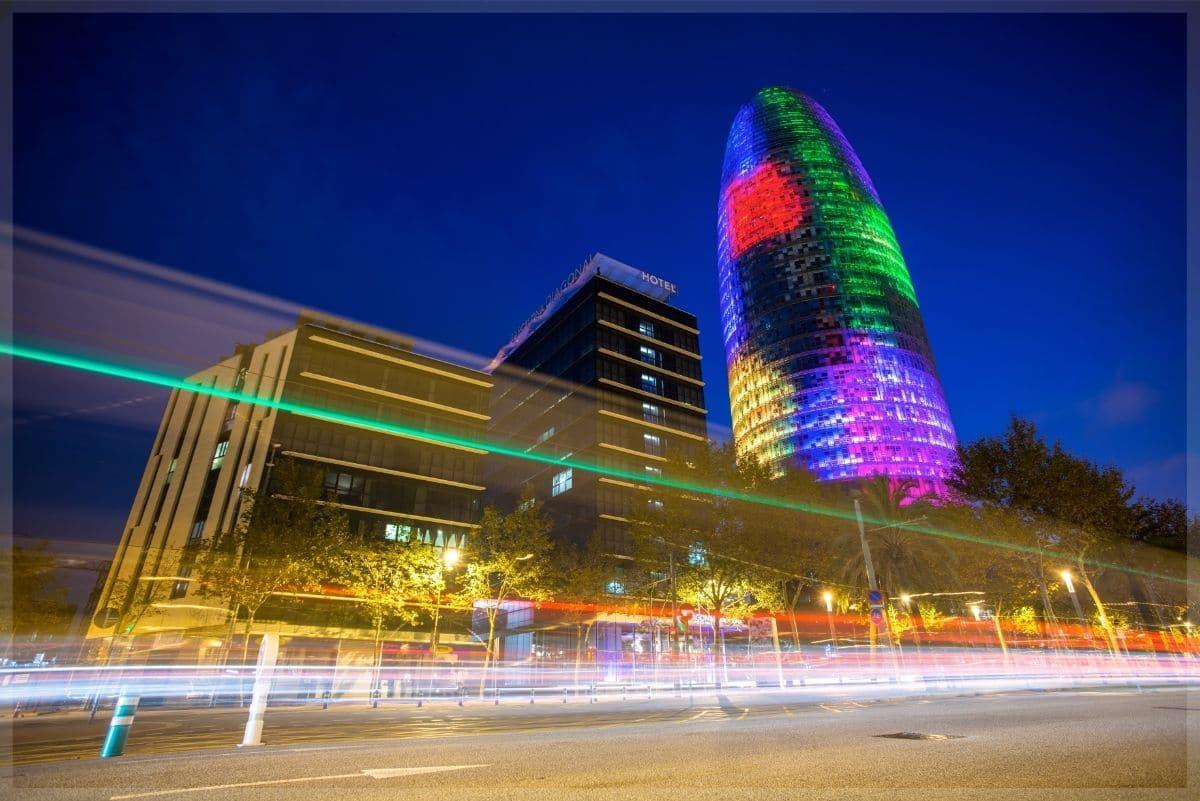
A Barcelona-style 'Gherkin' to say goodbye to the year
When the Torre Agbar was completed, the critics were quick to respond. What was such a tower doing in Barcelona? A lot to its architect, Jean Nouvel, who insisted that Gaudi's architecture and the pinnacles of Montserrat were part of his spirit. So, once assimilated as a native, although many see in it sexual reminiscences, as has already happened to London's Gherkin, TV3, Catalonia's main autonomous television station, and thousands of Barcelonans and foreigners chose it as the backdrop to welcome in the New Year.
An Olympic swimming pool in the heights
The Montjuïc swimming pool, inaugurated in 1929 and then fitted out to host the jumping and water polo events at the 1992 Olympic Games, offers one of the most spectacular views of the city. For the record, it was the location chosen by Australian singer Kylie Minogue to film the video for her single 'Slow'. So, you know, if you want to see Barcelona in full mietras are to soak this is your site, the soundtrack is optional.
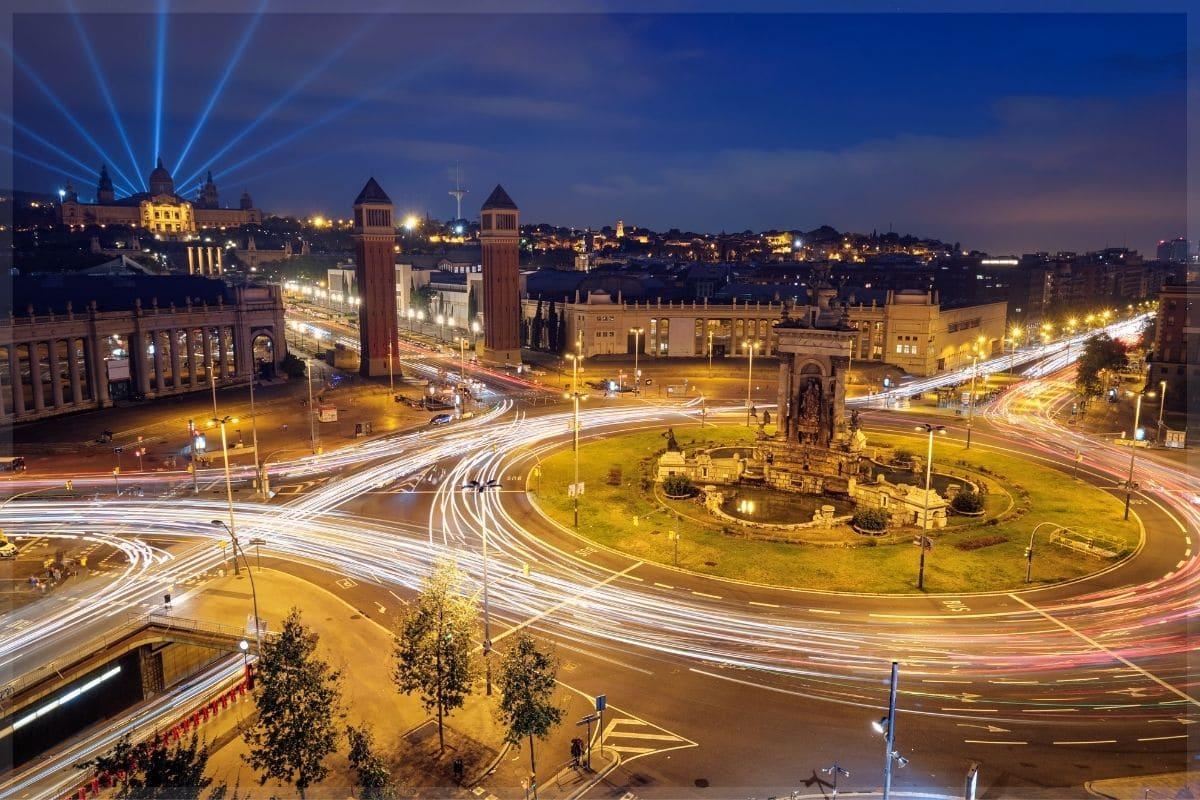
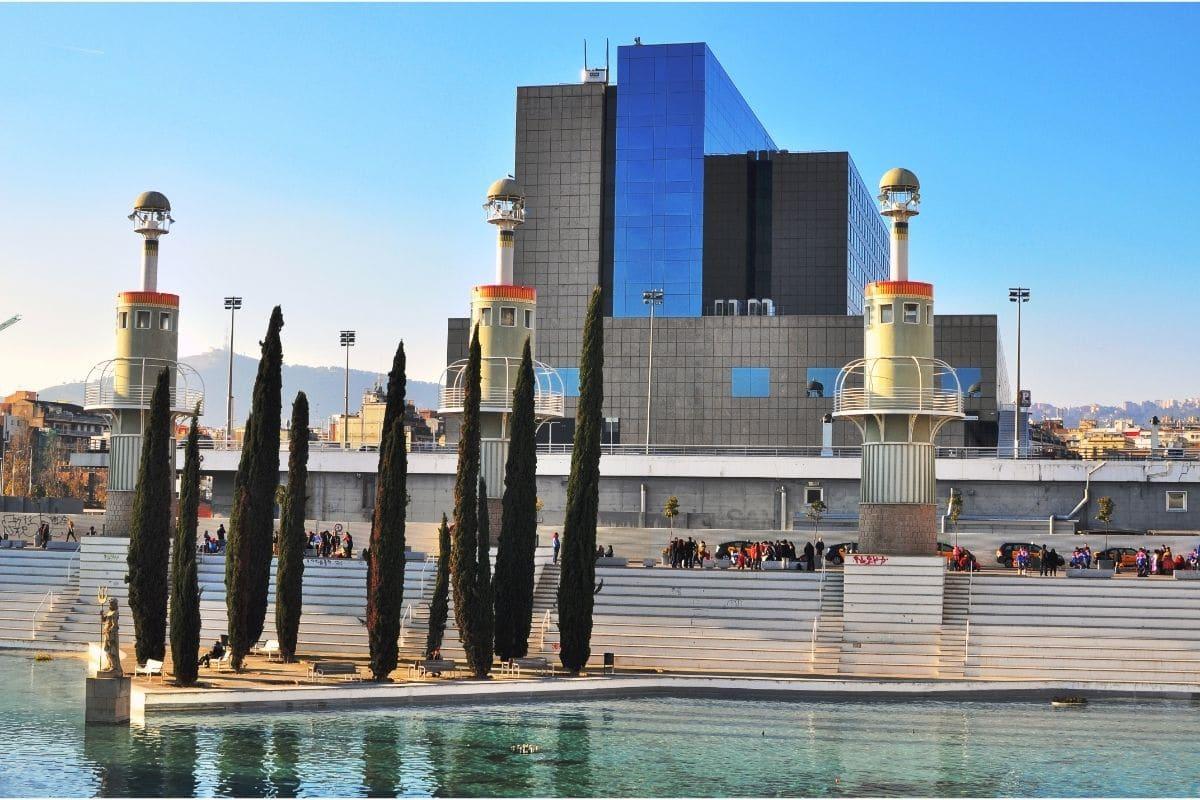
The Venetian towers of the Spanish Steps
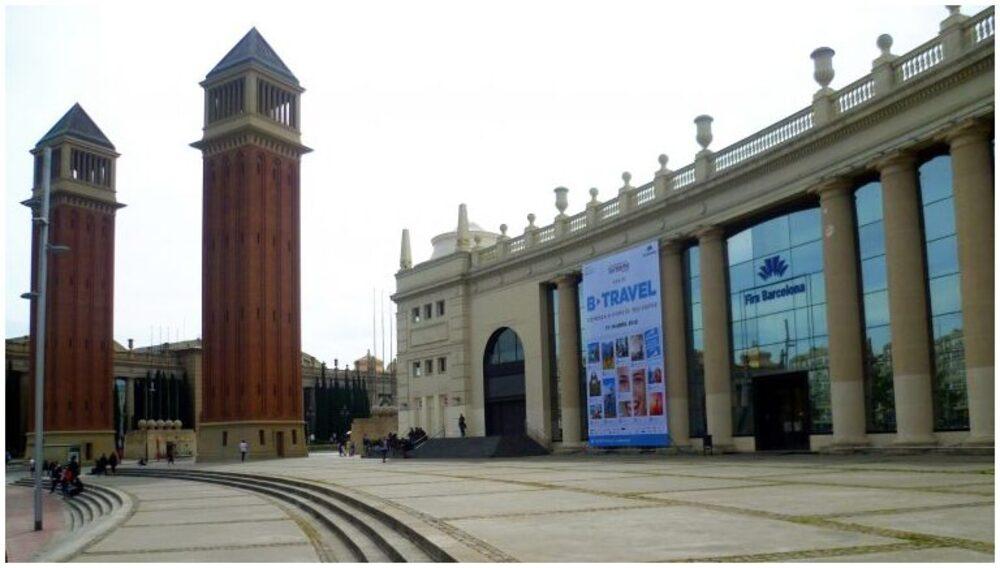
Built during the 1929 International Exhibition, the gradi Plaça d'Espanya boasts two twin towers among its most emblematic monuments. These towers, popularly known as the Venetian Towers, were built by the architect Ramón Reventós, who took the Campanile of St Mark's Basilica in Venice as his model.
The 'Carassa', medieval advertising
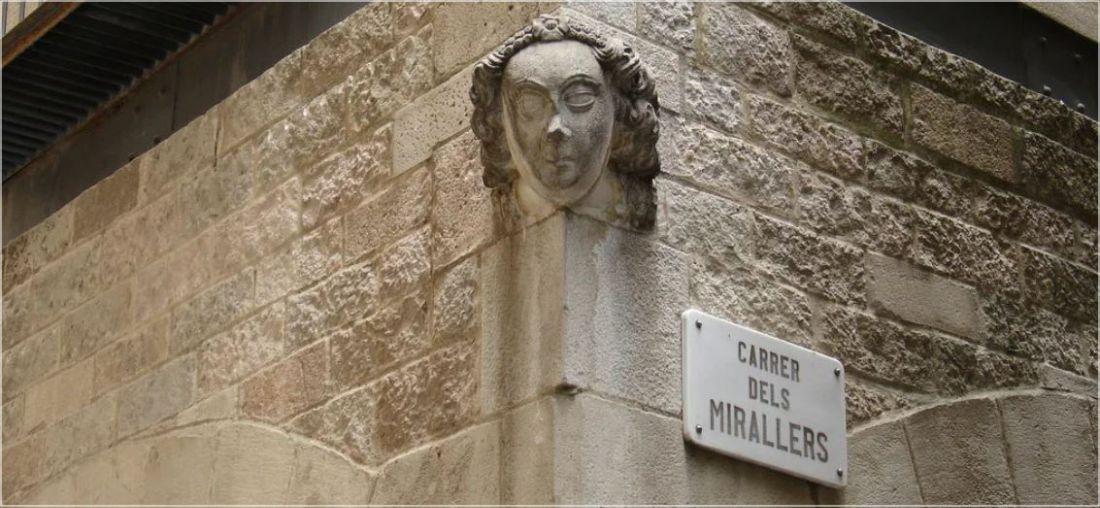
In the Middle Ages, when the vast majority of the population could neither read nor write, entrepreneurs used images to capture your potential audience. The 'Carassa', in the street of the same name, used the charms of a woman to illustrate the proximity of a brothel to illiterate visitors to the region.
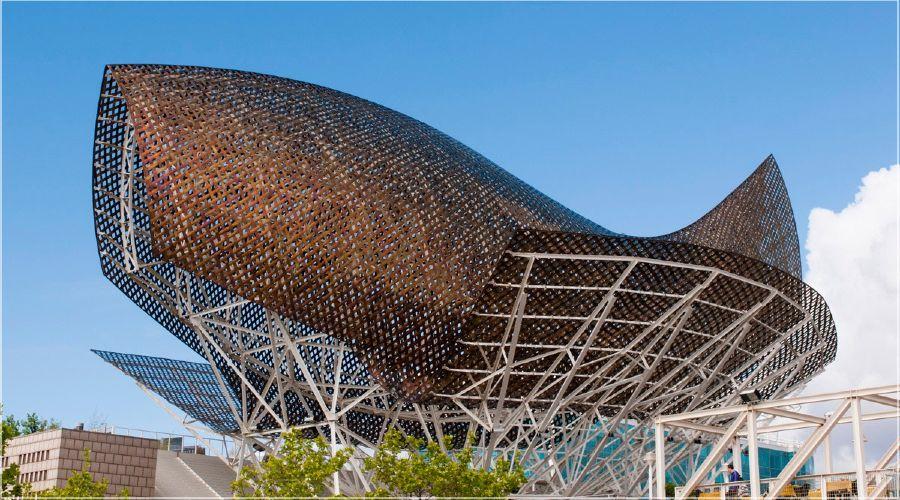
Frank Gehry's steel fish
For Barcelona's Olympic port, architect Frank Gehry designed a gilded steel macro-sculpture whose curved lines resemble a fish, its scales glistening in the sunlight. What is interesting about this work of art is that it is the first time the architect has used a computer to fix his curvilinear and asymmetrical forms, a technique he has used in his work ever since, and with which he has gained worldwide renown thanks to his most famous creations. Conspiracy theories claim that this part of the harbour was commissioned by Masonic lodges in Condal City, who wanted the fish to rise in the Piscis area of the city, and that the absence of tail and head symbolises timelessness.
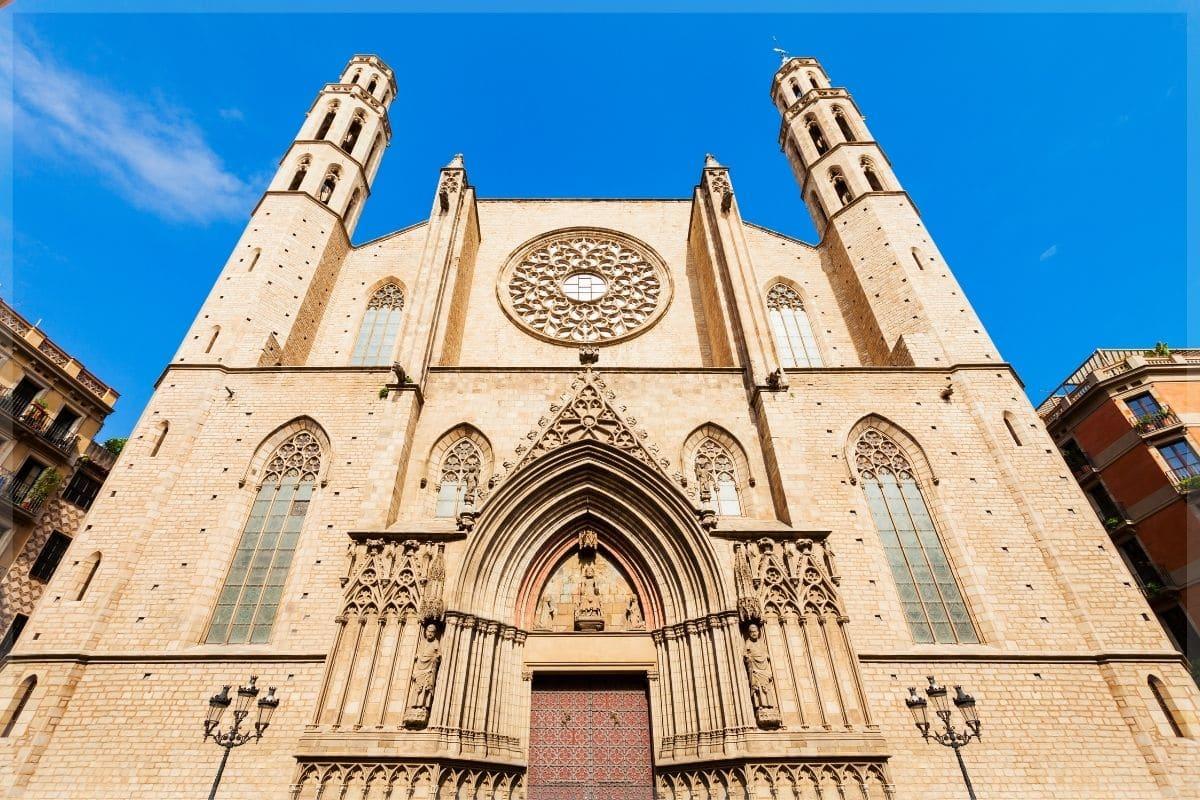
Santa Maria del Mar and its real and fictional stories
Among the many stories surrounding the basilica of Santa Maria del Mar, one of the most important churches in the city of Barcelona, there is one that took place in 1428, when an earthquake in the Pyrenees measuring 8 degrees on the Richter scale caused the rose window on the façade to collapse on the parishioners attending mass on Corpus Christi, resulting in a large number of casualties. It is also said that in one of its windows, if you pay attention, you can see the Barça shield, which helped financially to rehabilitate one of them. However, it was literature that gave the temple its modern-day fame, thanks to Ildefonso Falcones' bestseller 'The Cathedral of the Sea'.
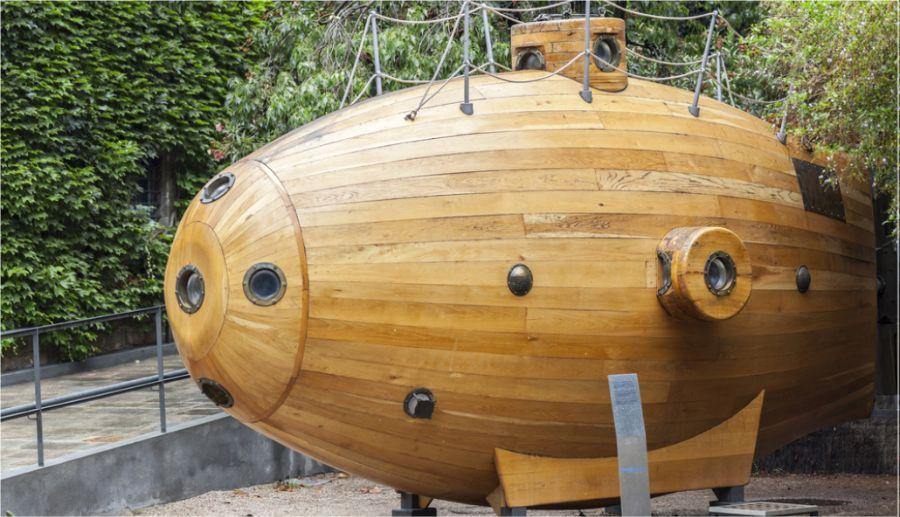
A submarine on dry land
There are many submarines popping up at different points in Barcelona's urban geography. The reason for this is simple: they are a tribute to the inventor of the submersible device, Narcis Monturiol, a Barcelona native and all-round engineering genius. In 1859, he launched his first project, the Ichtyum I, of which there are now several copies to the delight of children, and not just little ones. Like the one that stands in front of Barcelona's Maritime Museum (in the image), although it is not the only one, as they would then come to Ictíneo II and Ictíneo III, with just as many reproductions and monuments dotted around the city of Barcelona. The full list of addresses is available here.
La Boqueria, Catalonia's largest market
The Sant Josep market, popularly known as La Boqueria, is the place to go for pure Catalan cuisine. Its records include being the largest market in Catalonia and the one that receives the most tourist visits. Our recommendation is to pass through the Pinotxo, as there will be a before and an after.
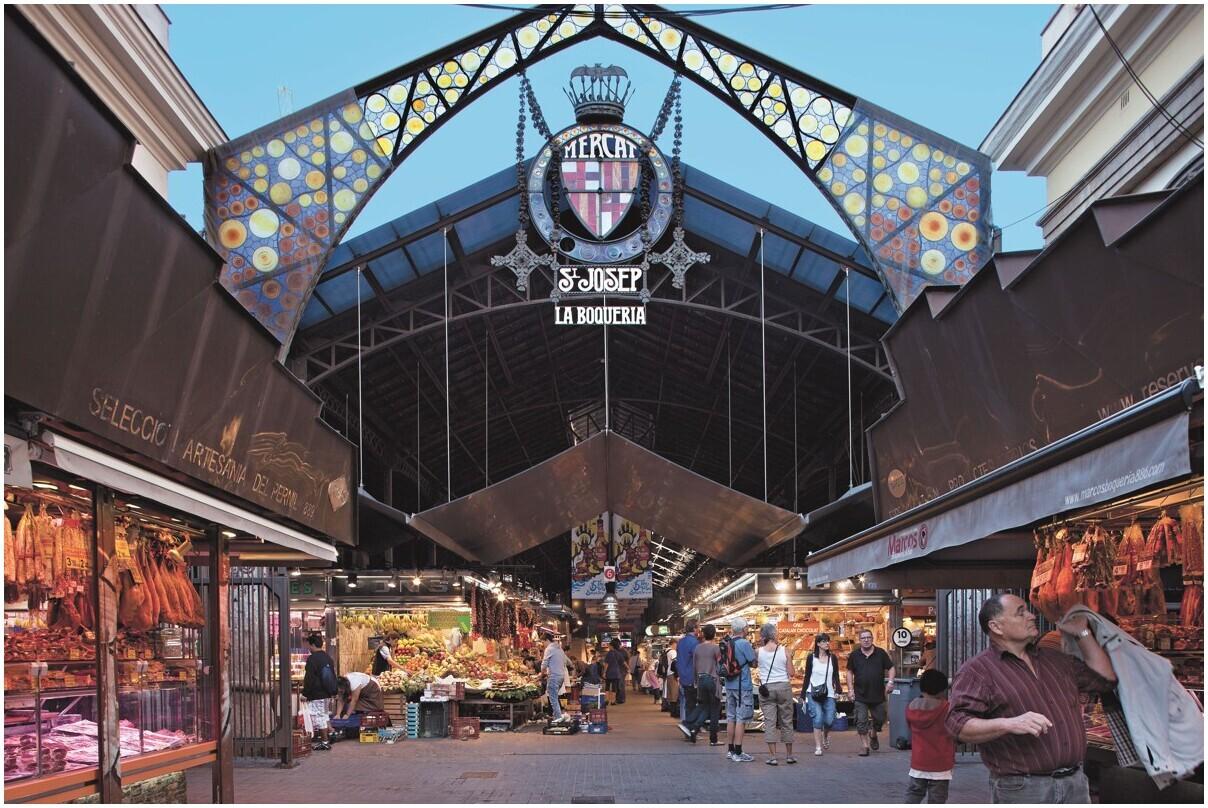
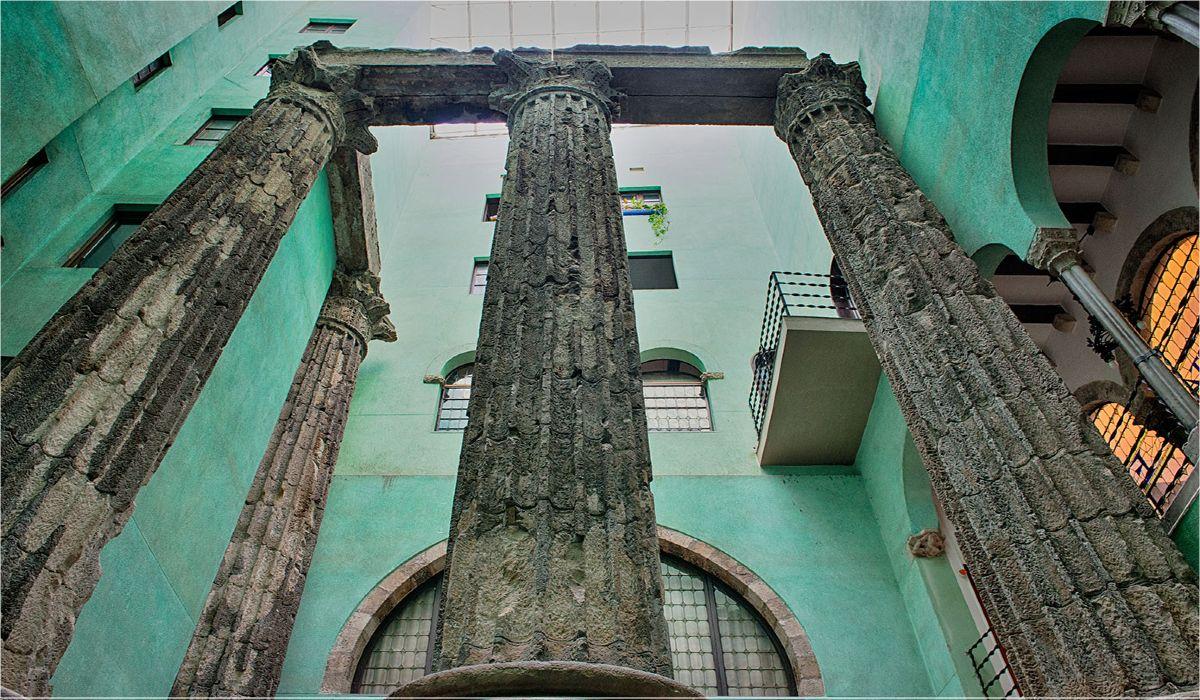
The four columns of Augustus
Inside the building of the Centre de Excursionista de Catalunya there are four columns from the Roman era, initially linked to the mythological hero Hercules and a temple of worship to the Semitic, but later it was clarified that it was a temple in honour of the emperor Augustus, located at the highest point of the city and where the Roman Barcino, Mount Táber, was established, 16.9 metres above sea level.
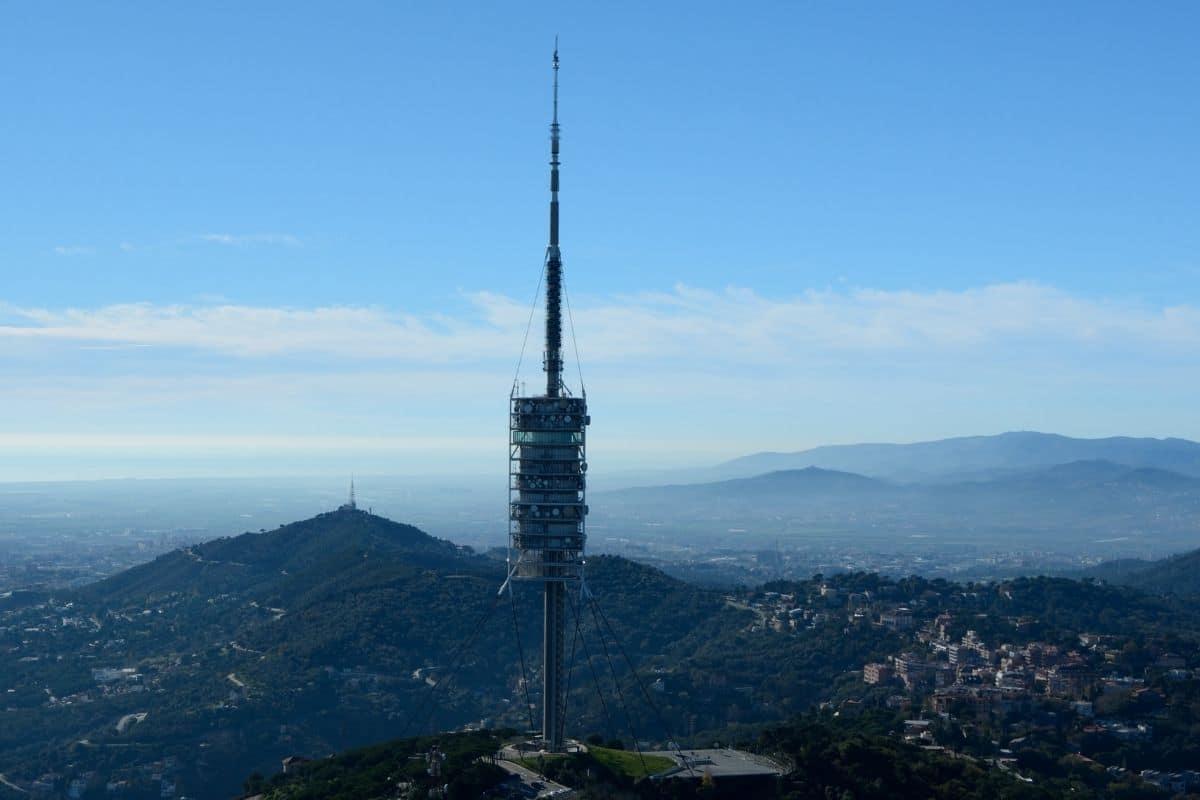
The panoramic viewpoint of the Collserola tower
Another communications tower built for the 1992 Olympic Games was the Collserola Tower, designed by Sir Norman Foster, whose location in the middle of Tibidabo makes it a unique panoramic vantage point. Climb up to level 10, where you'll find its spectacular belvedere with views over the city and the Vallés Occidental region.
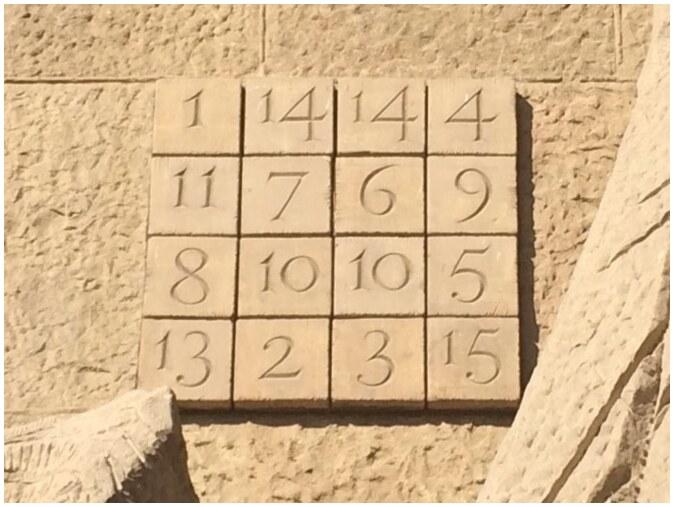
The Sudoku of the Holy Family
On the façade of the Passion of the Holy Family, which depicts the last years of Jesus, the most observant will find several magic cubes, one on the façade and the other on the doors (in the image). As sudokus, they always add up to the same thing, 33, either in columns, rows or diagonally, the age at which the New Testament says Christ died.
Barcelona's magic fountain
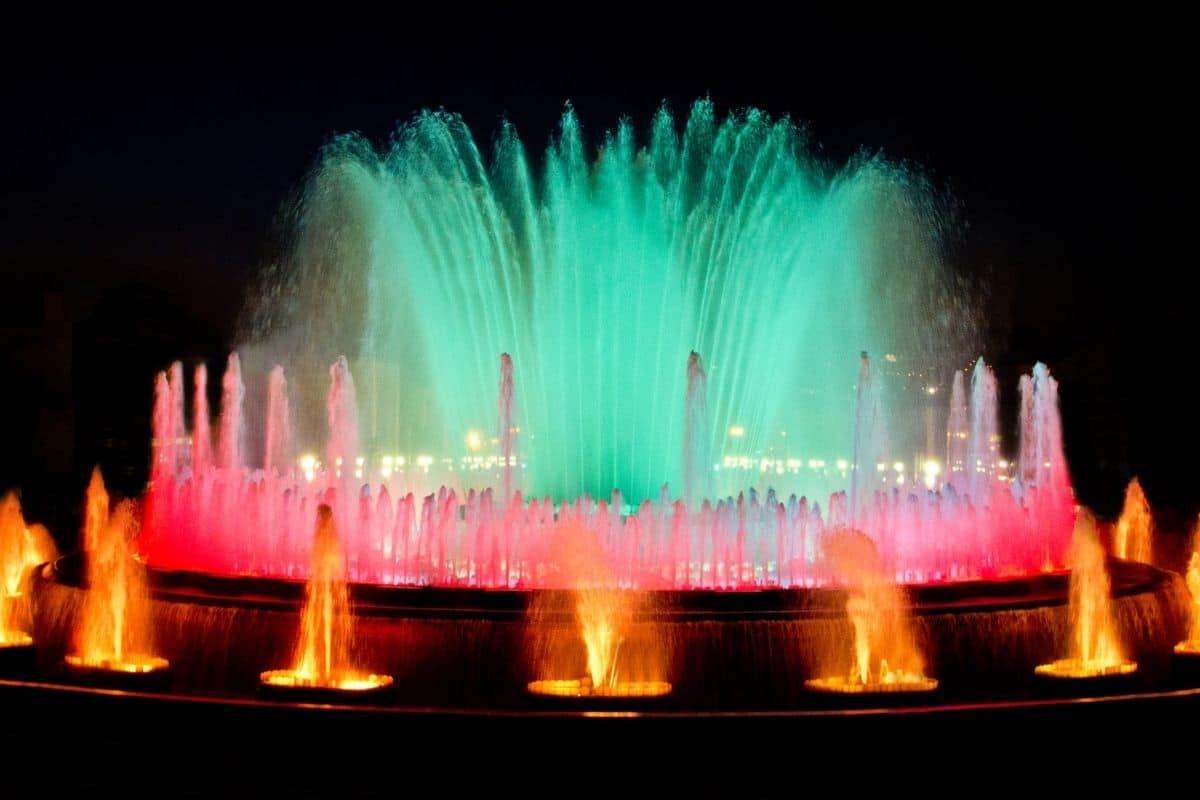
The Magic Fountain on Montjuïc, also designed for the 1929 International Exhibition by Carles Buïgas, is a favourite attraction for tourists and locals alike. Music, colours and water games follow one another along the Avenida Maria Cristina, and the magic fountain is the star of the night. Its location, opposite the Palacio Nacional, now the MNAC, makes it all the more spectacular.
The giant dragon of the Spanish Industrial Park
In the Spanish Industrial Park there is a huge structure representing a dragon, through which children slide like a toboggan will be. Barcelona clearly has a love affair with dragons, logically because it was one of them that killed Saint George, patron saint of Catalonia. And it's so prolific that it's the western city with the highest number of dragons scattered around its streets.
Gaudi's tiles on the Passeig de Gràcia
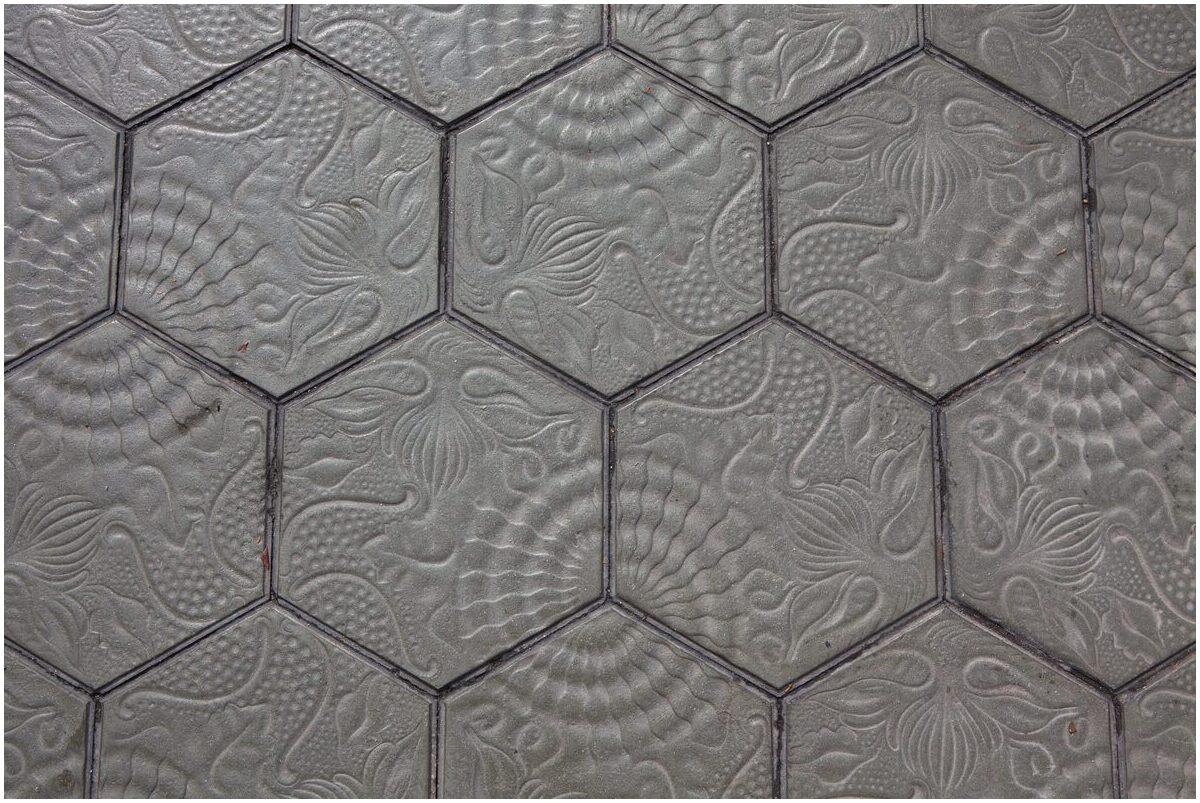
Notice where you are walking on the Passeig de Gràcia, because these hexagonal tiles that create a carpet effect were designed by Gaudi, who created them with plant motifs for the paving of the Batlló house, although he eventually placed them in the Pedrera. Later, it was recovered to decorate the pavements of Barcelona's most modernist street.
The student of Sant Felip Neri
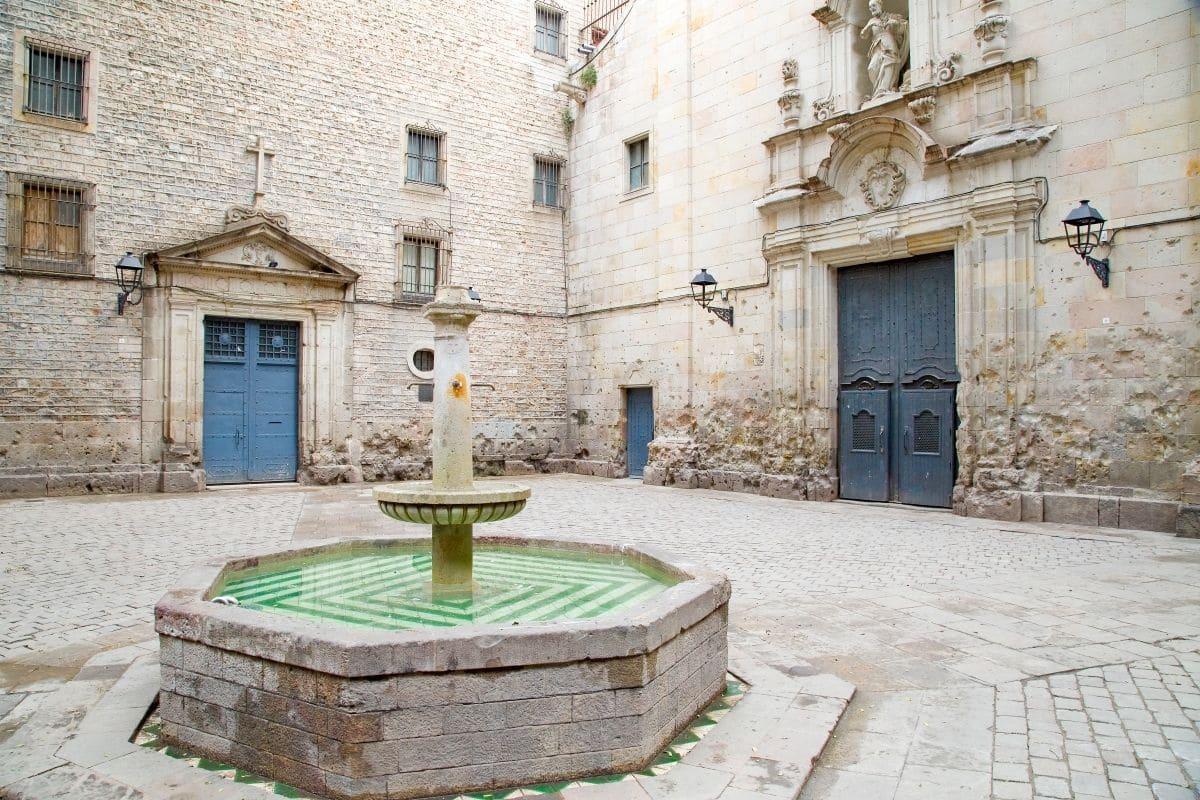
Right in the heart of Barcelona's Gothic Quarter stands what many consider to be the city's most charming square, Sant Felip Neri. In the centre stands an octagonal fountain with a small column, which, it is said, was once occupied by a sculpture of a child student. With or without it, the beauty of the square is undeniable. Even despite the marks on the façade of the church of Sant Felip Neri caused by a bomb explosion during the Civil War. Although it is true that they serve as a reminder of what human beings are capable of doing, both good and bad.
The Jardin Horta, a green labyrinth in Barcelona
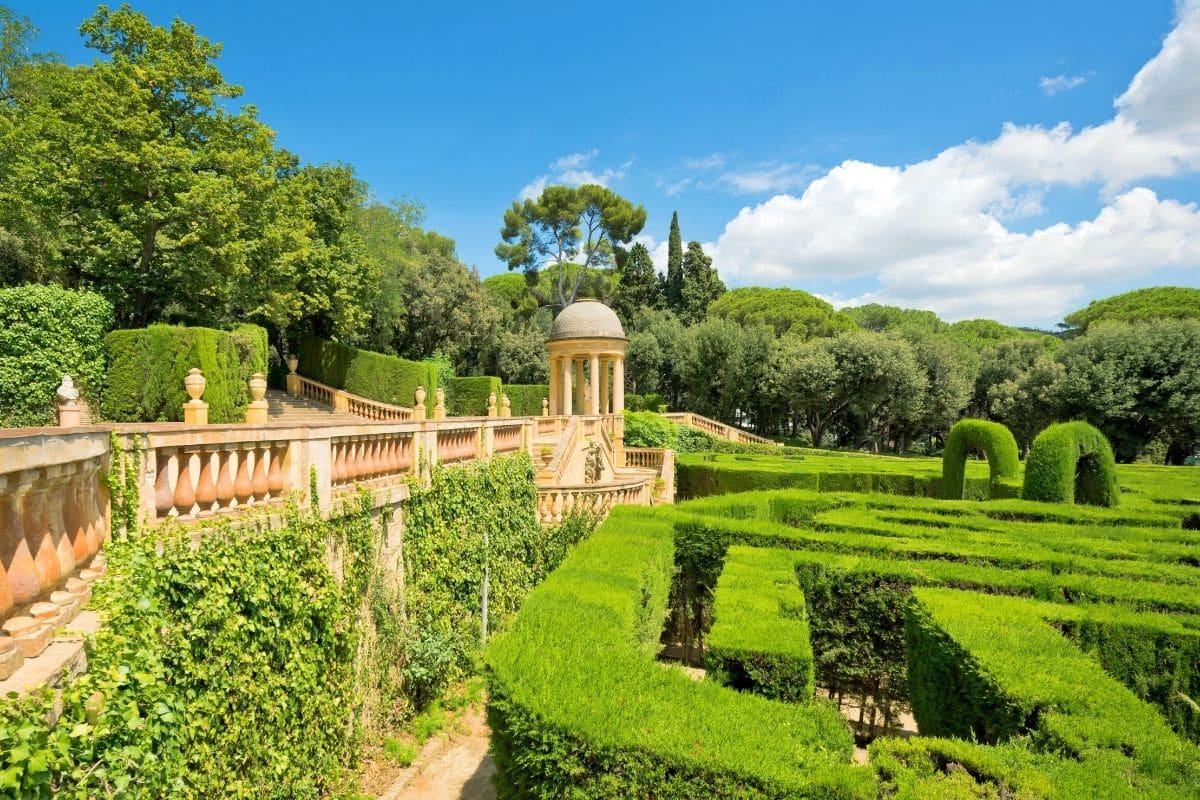
Few people know that Barcelona is home to this labyrinthine garden, one of the city's oldest. Perfectly trimmed hedges delight visitors to the Horta labyrinth garden, who lose themselves not just in the succession of corridors, but rather in the succession of plant and sculptural beauties. For lovers of green.
The Raval cat
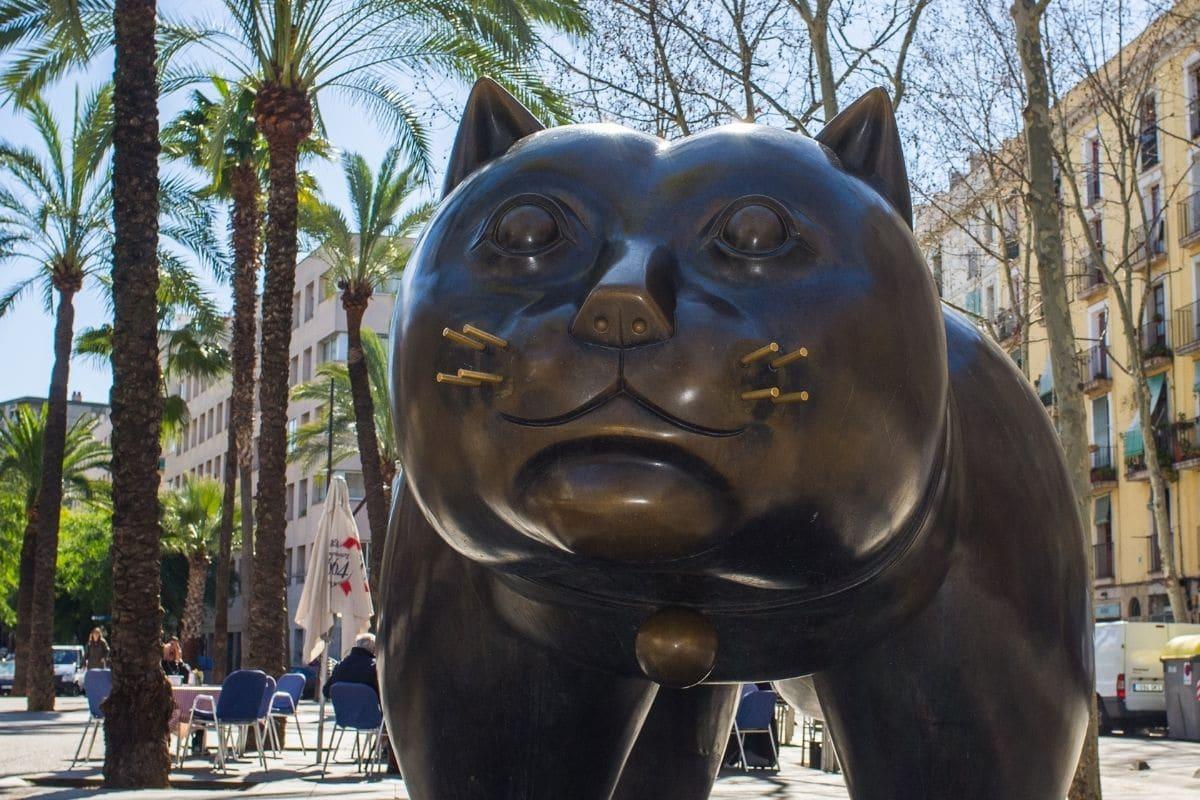
On the Ramblas del Raval, you're bound to come across an enormous black cat with a bell, the work of Colombian artist Fernando Botero. The minino, has already spent a few lives since the city of Barcelona acquired him in 1987, as he has had many locations to end up in the Raval, where, from the looks of it, he has taken up residence.
The industrial triplets
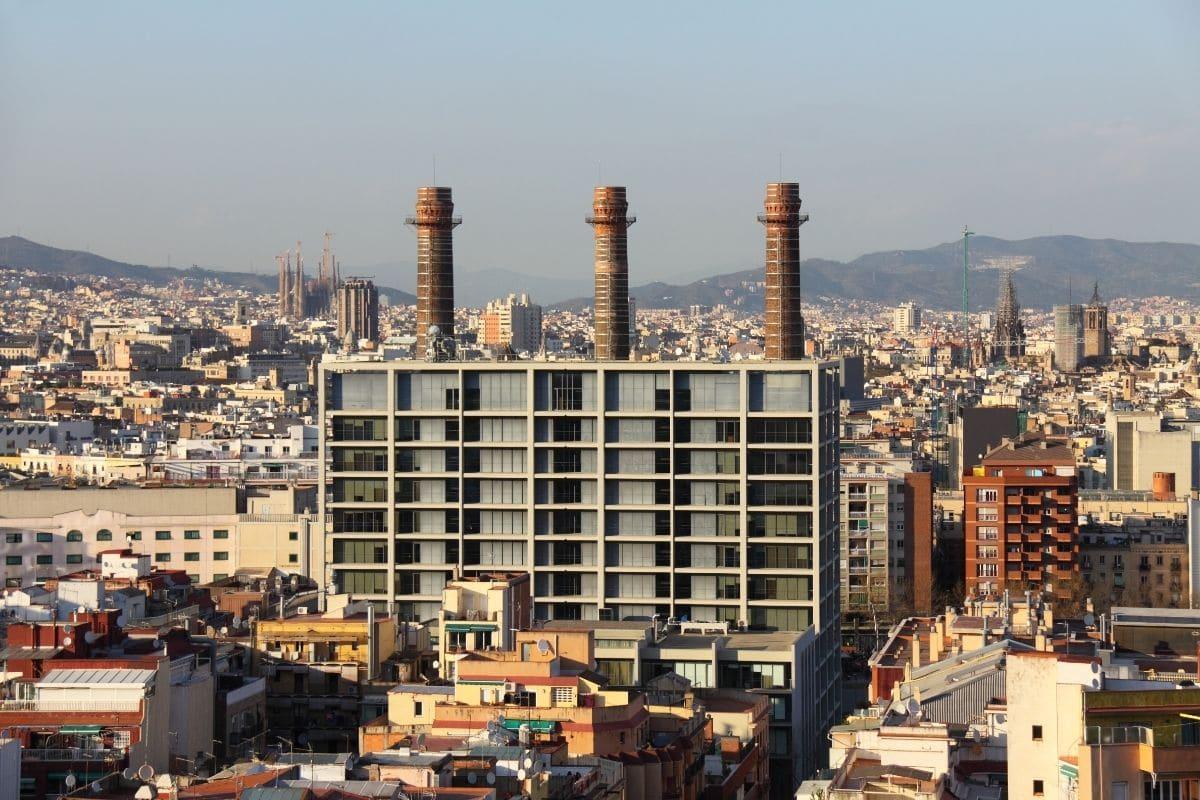
Today, the three industrial towers on Avenida Paral-lel, part of the Three Chimneys gardens and part of the Red Eléctrica Española buildings, only show their heads in the buildings in the Poble Sec district, but back in 1912, when all three were up and running at full capacity under the La Canadienne banner, they were the queens of the cotarro on the skyline of early 20th-century Barcelona. Find them when you return to Barna, as if Wally were there.
A Ferris wheel for the Parque del Tibidabo
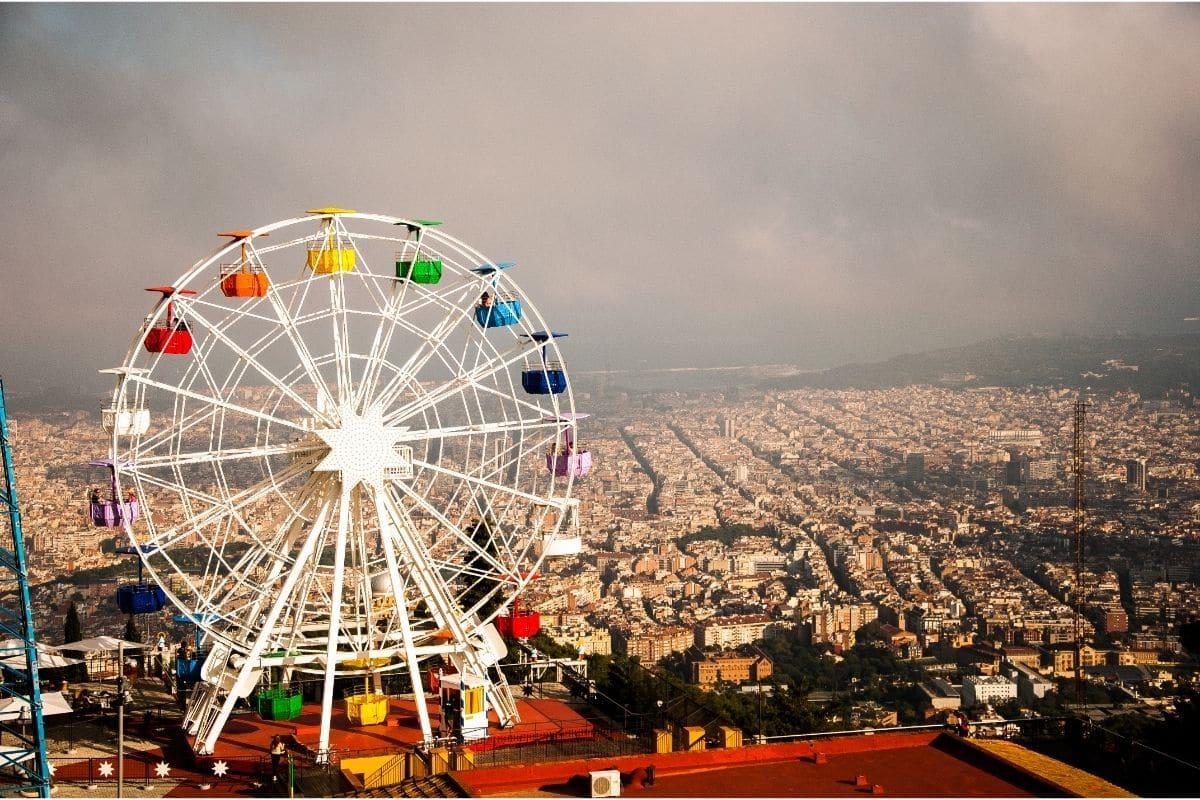
The Ferris wheel in the Parque del Tibidabo is another Barcelona classic. Three of them have been spinning since 1953, and a fourth will be installed to replace the last one, the Panoràmic (pictured), which was dismantled in 2011. The park took the decision after requests from users and seeing that, just as other cities like London or New York have an icon, the panoramic Ferris wheel is another symbol of Barcelona.
Modernism at the Hotel Espagne
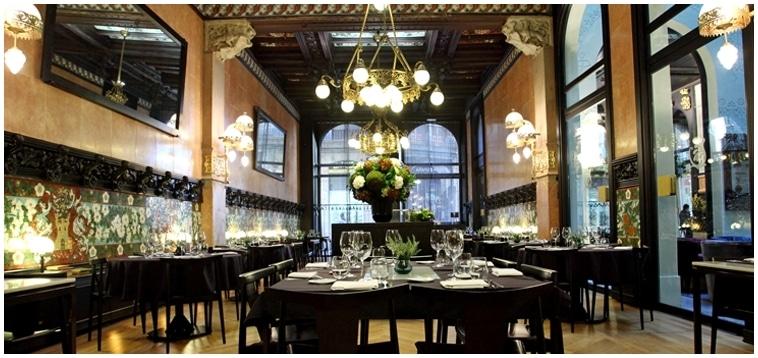
Another lesser-known work by the architect Lluis Domènech i Montaner can be found inside the Hotel España, in the city centre, where you can enjoy the curves and colours of Catalan Modernisme.
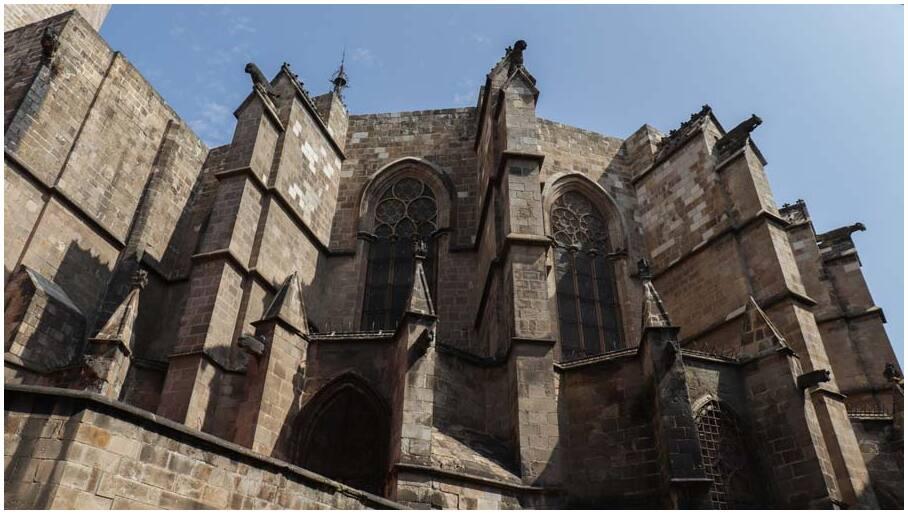
The gargoyle zoo of Santa Eulalia Cathedral
The gargoyles of Santa Eulalia Cathedral are famous for their fantastic shapes, among which stand out an elephant, a unicorn and what, according to tradition, are witches who were petrified in the form of Gothic pipes because they did not respect the passage of Christ's body.
Symmetry of height in the Eixample
From the air, Barcelona's Eixample is a perfect grid. Seven square kilometres designed by Ildefonso Cerdá in the most classic urban style, classic on the map and modernist in height, for the beautiful façades that dot the city centre. Get up high and contemplate this symmetrical perfection.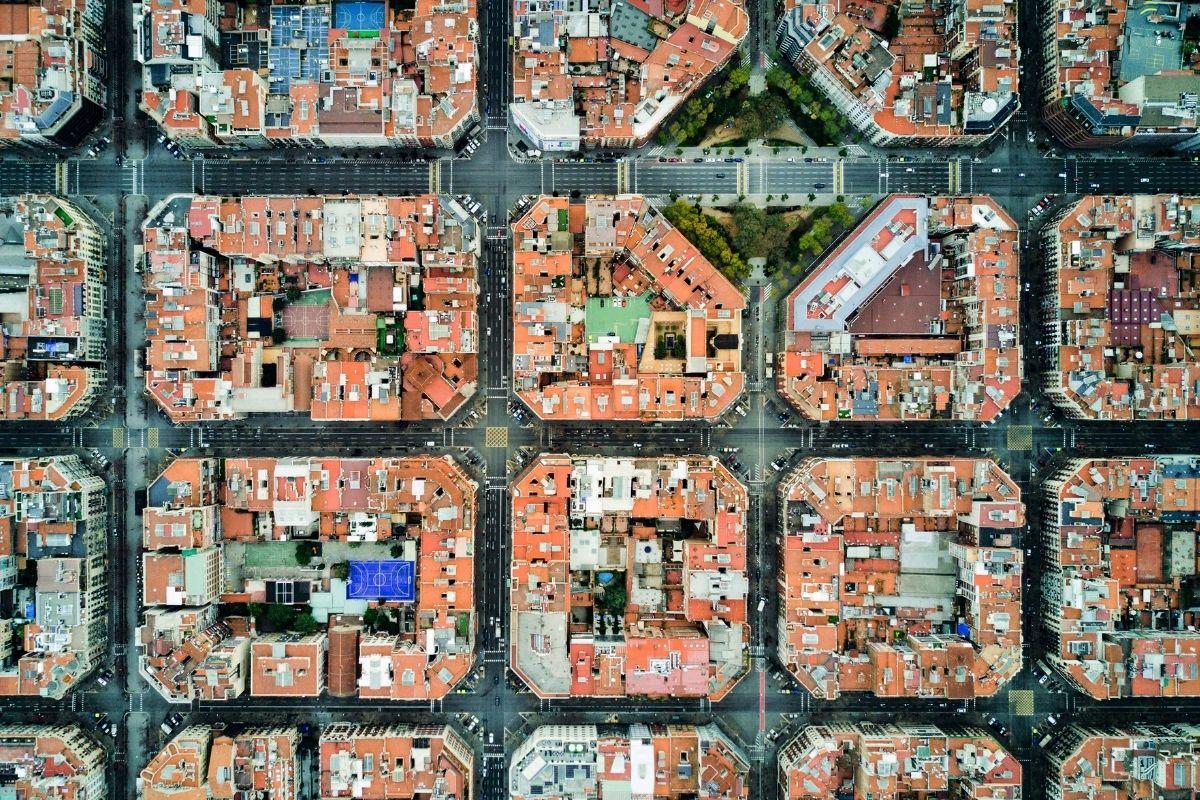
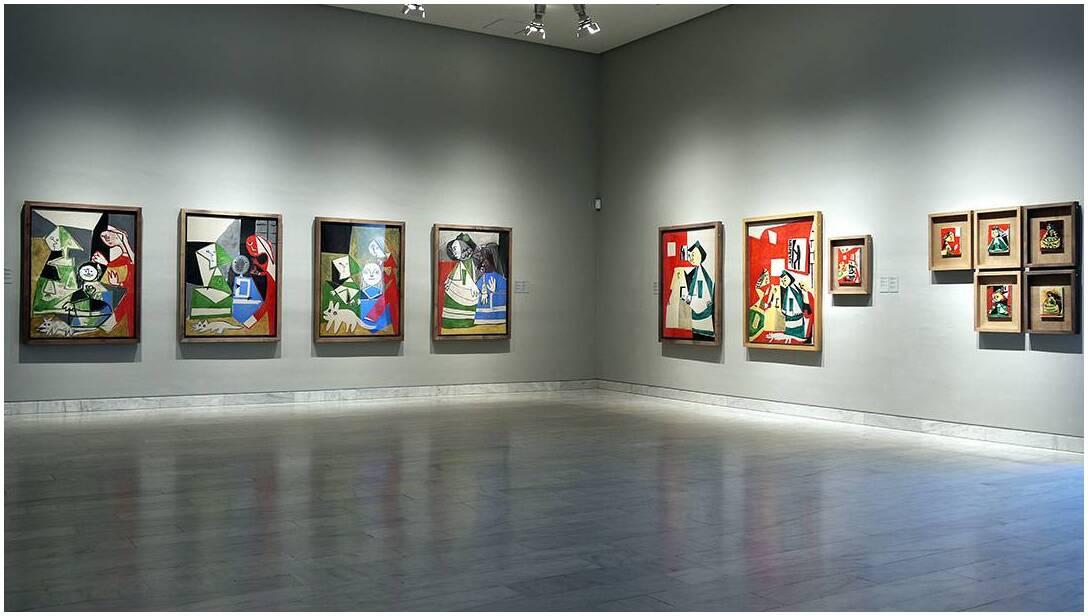
Barcelona's Picasso Museum
The Picasso Museum in Barcelona, which groups together several Gothic palaces in the Calle Montcada, was founded in Barcelona because the painter himself encouraged his friend and secretary Jaime Sabartés, the project's promoter, to found it in Barcelona rather than in his native Málaga. Barcelona was thus chosen to house a museum of the brilliant artist, with collections donated by Sabartés and by Picasso himself.
Barcelona's Parisian fountains
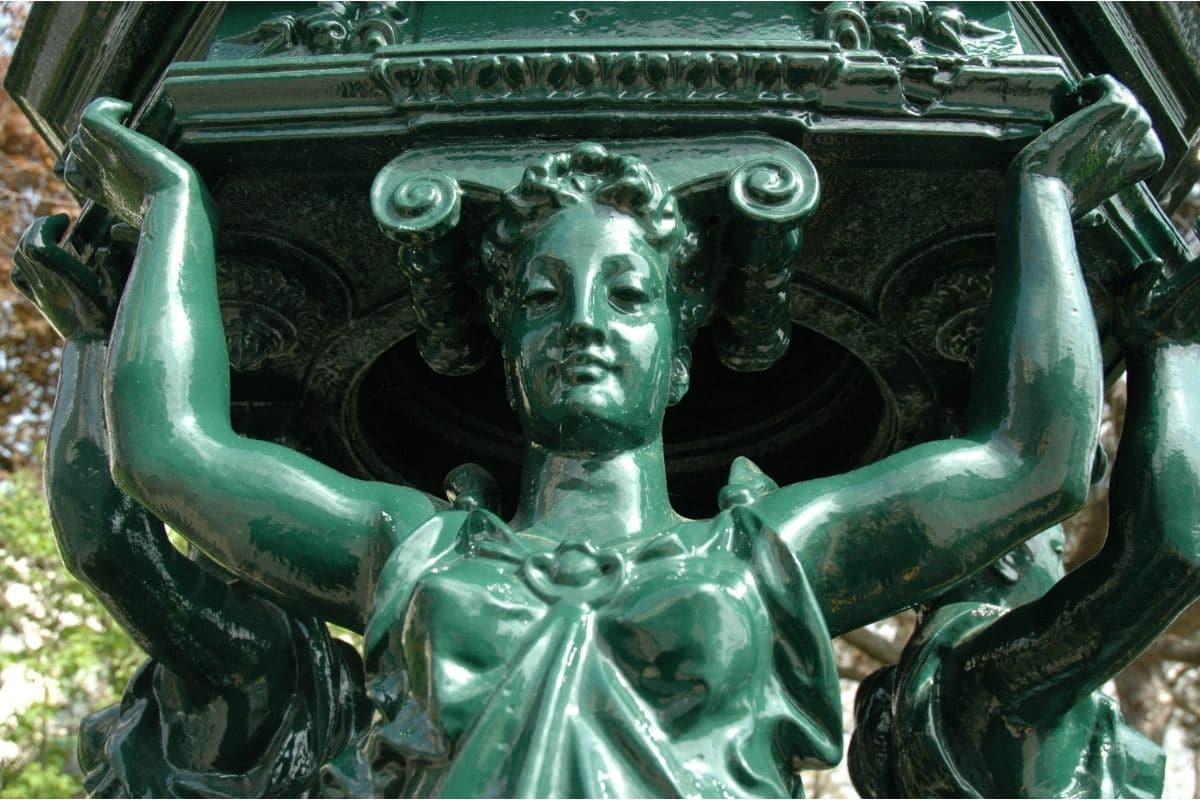
The Wallace fountains were designed by British tycoon Richard Wallace to beautify the streets of Paris, while also contributing to the city's public health. They were commissioned from the sculptor Charles Lebourg, who designed them with the representation of the four stations in their caryatid structure, today a symbol of the City of Lights. In addition to those destined for the streets of Paris, 50 others were made, 12 of which were donated to the city of Barcelona, of which only two originals remain, one on the Ramblas, opposite the wax museum, and the other on Gran Via de las Cortes Catalanas, on the corner with Passeig de Gràcia. The rest dotted around the city are new editions of the originals, called Neowallace.
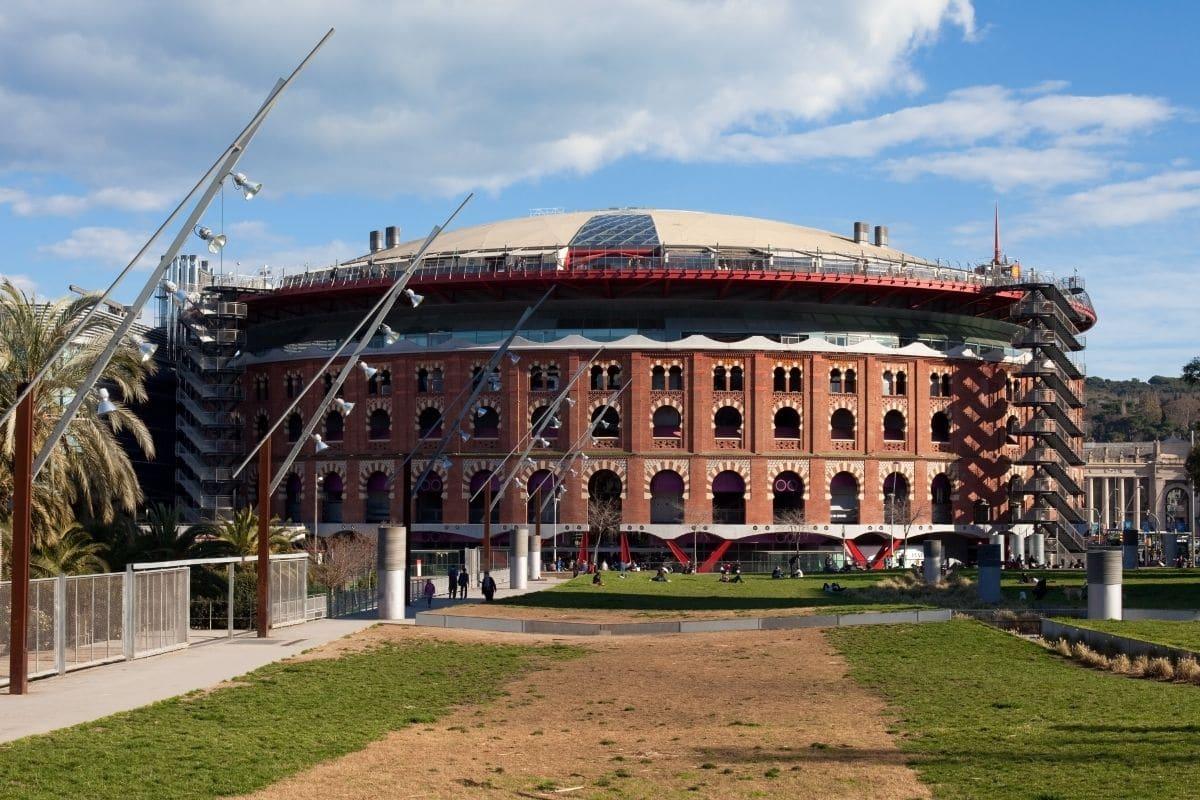
Shopping in the Las Arenas bullring
The Las Arenas bullring in Plaça de Espanya has been a shopping centre since 2011. This conversion has given Barcelona a new shopping destination and a spectacular view of Montjuïc.
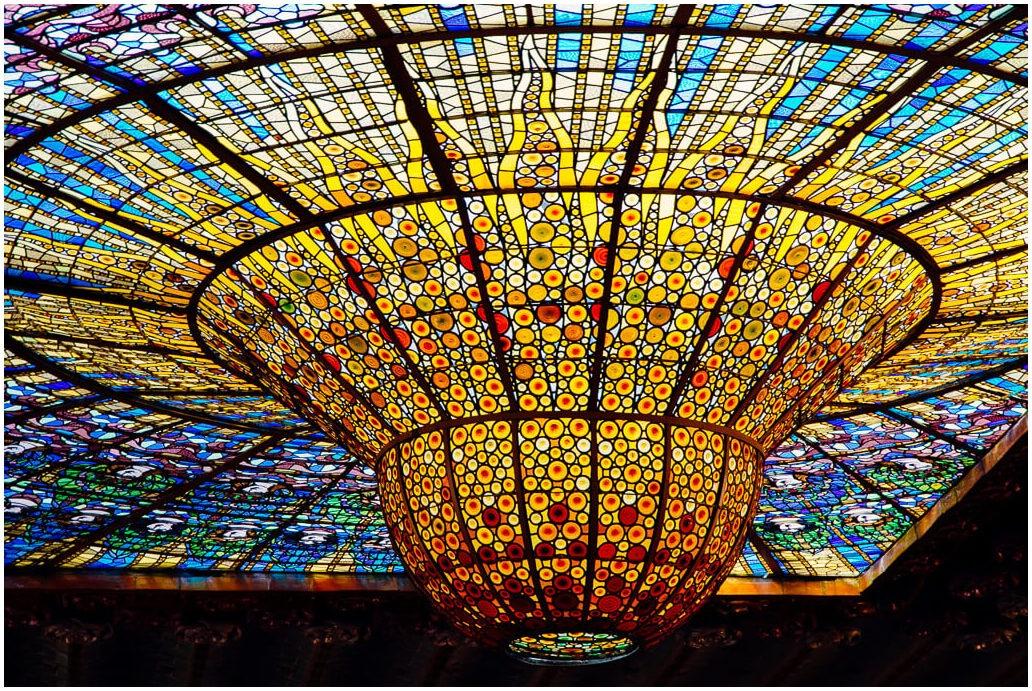
The glass dome of the Música Catalana concert hall
Natural light floods into the immense inverted glass dome that illuminates the majestic modernist concert hall of the Palau de la Música Catalana. An architectural feat accomplished by one of the greatest exponents of Catalan Modernism, Lluis Domènech i Montaner. The building has been declared a UNESCO World Heritage Site.
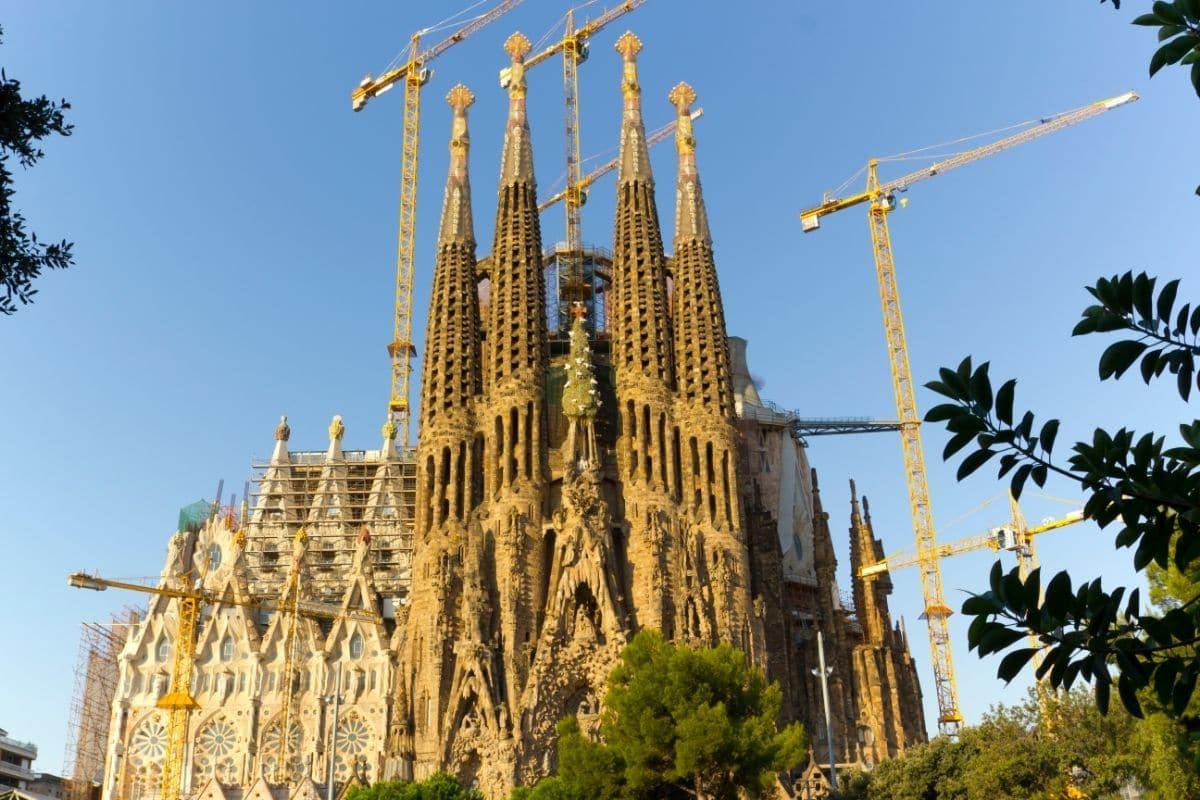
The Sagrada Familia, or Holy Family, is the most visited monument in Spain.
In 2011, the Sagrada Familia expiatory temple overtook Granada's Alhambra as Spain's most visited monument, with 3.2 million visitors making it the country's most visited. Who was going to tell Gaudi when he laid the first stone? Perhaps you can ask him, as he is buried in the temple.
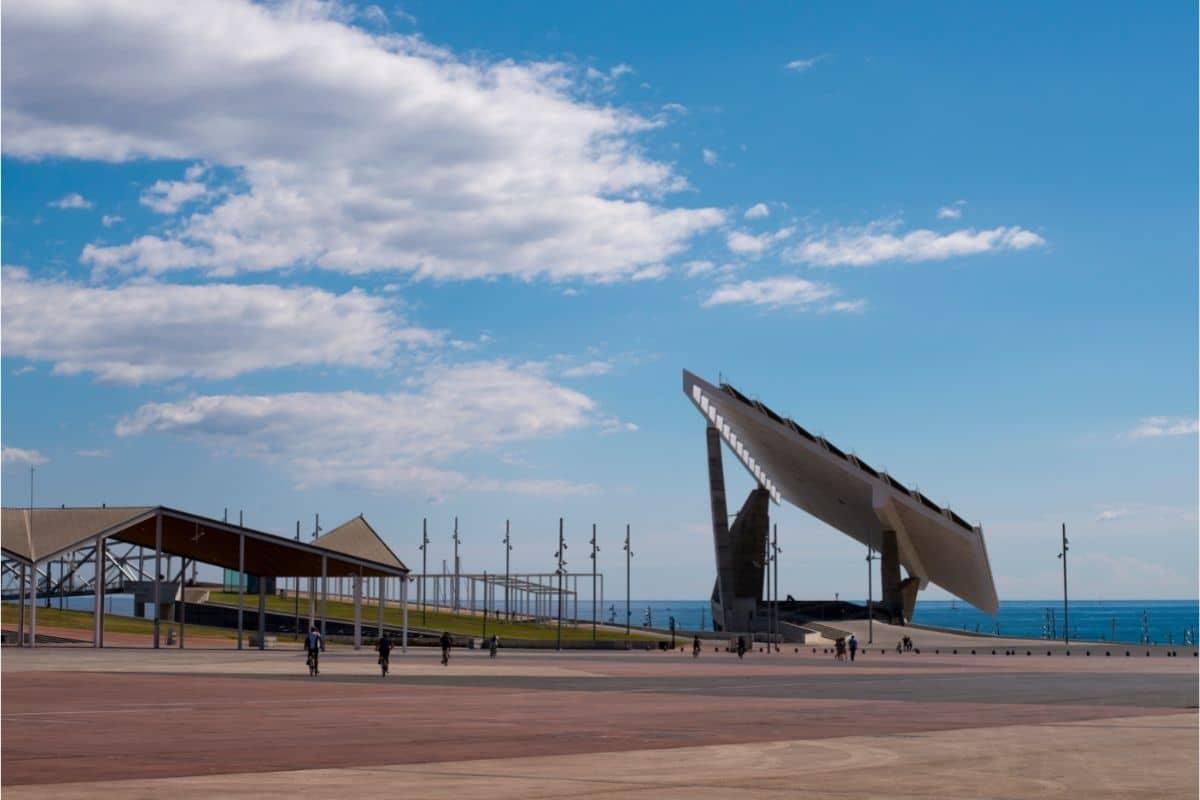
The photovoltaic panel in the Forum square
During the Forum of Cultures celebrations, among the new buildings that went up was a large photovoltaic panel the size of a football pitch, located in a no less gigantic square, Forum Square, covering 16 hectares and making it the second largest square in the world after Tiananmen Square. Today, the surrounding area is home to skaters and rollerbladers.
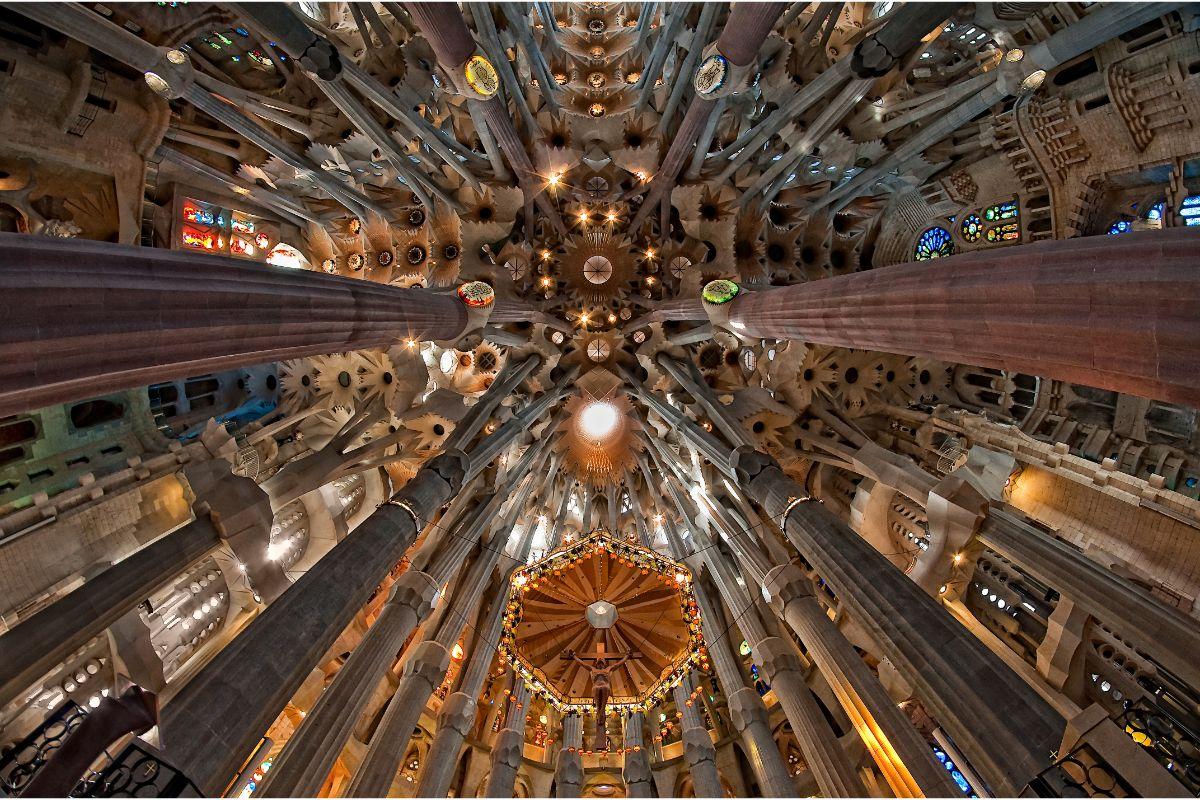
Gaudi's forest
It's well known that Gaudi drew inspiration from nature to bring his architecture to life, so you shouldn't be surprised if looking up inside the Sagrada Familia you feel as if you're beneath the treetops of a lush forest, which was the intention of the genius of modernism. Columns that resemble trunks and the light that penetrates the stained glass windows like beams of light between the branches.
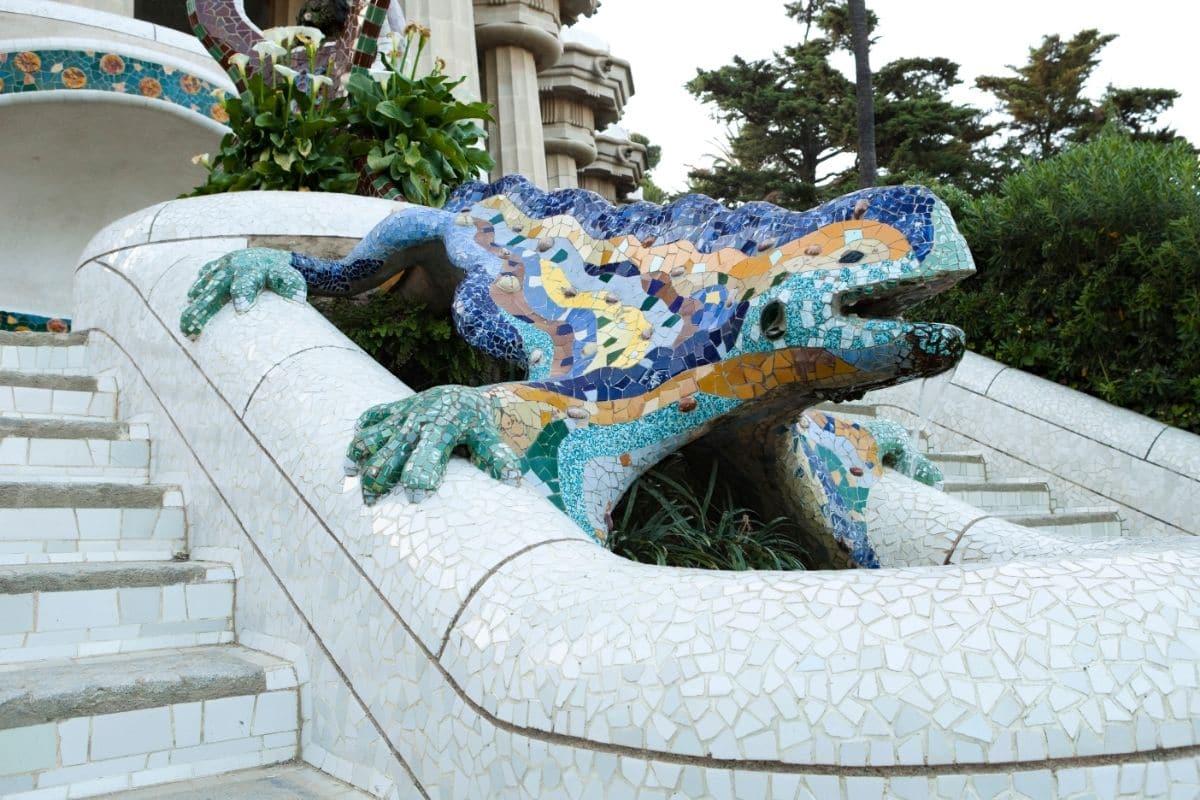
The lizard of Park Güell
The most famous sculpture in Park Güell, created using the trencadís technique (the union of ceramic fragments), is definitely and categorically a lizard, whatever the dragon or salamander. That's what Gaudi wanted, and we'll have to see.
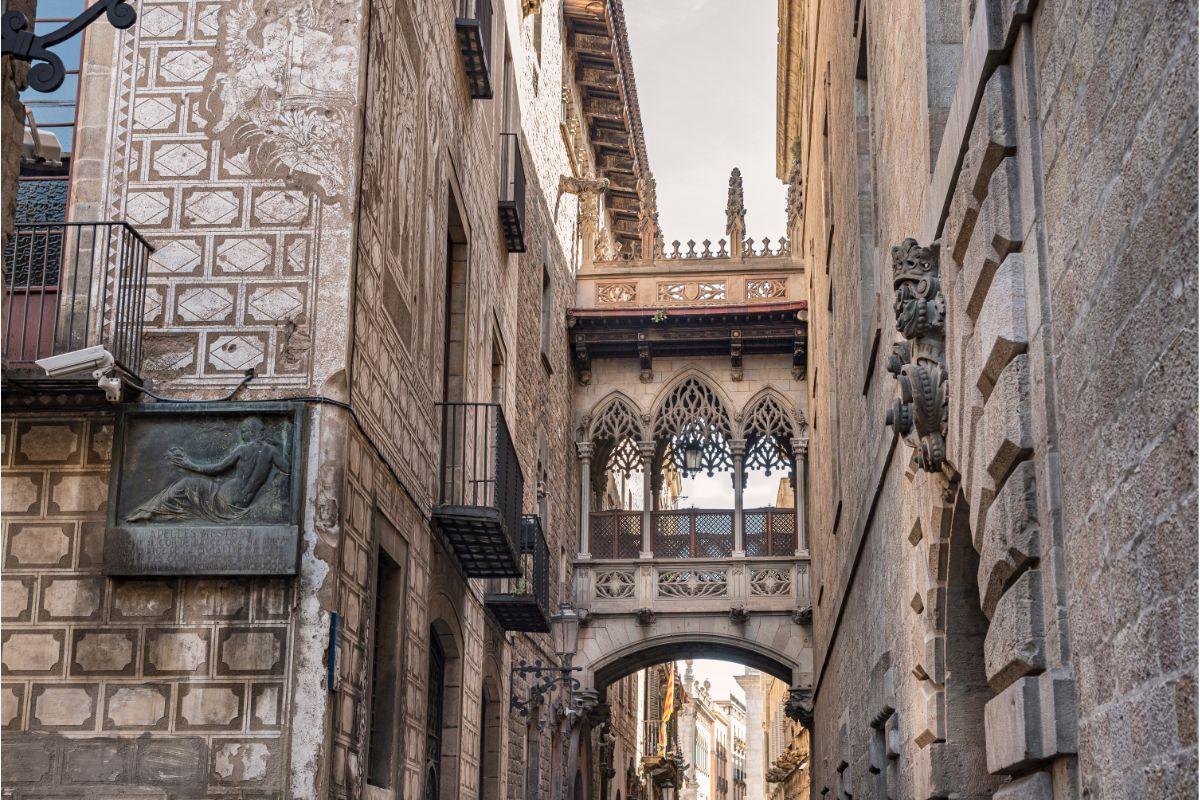
The neo-Gothic bridge in the rue de l'évêque
Despite its appearance, the bridge that crosses carrer de l'évêque and links the Casa de Canons and the Palau de la Generalitat is of recent construction. When the building was restored in the 1920s, neo-Gothic elements were added based on earlier structures, including the famous bridge, one of Barcelona's most photographed landmarks. It's a good idea not to look at the skull under the bridge - it's bad luck.
The modernist letterbox in the maison de l'Ardiaque
If you were unable to avoid the influence of the skull on the Bishop's Bridge, don't worry. Look out for this modernist letterbox, the work of Domènech i Muntaner, located in the Casa de l'Ardiaque, in Carrer de Santa Llúcia, where stroking the tortoise shell will rid you of the Pharisaical evil. The letterbox was placed here when the house was the seat of the bar, with the swallows as a symbol of the speed with which mail and judicial acts should go, and the tortoise as a presentation of the real time with which both are resolved. Today, the mail would be saved, much faster than it was back then.
The Moulin burlesque in Barcelona
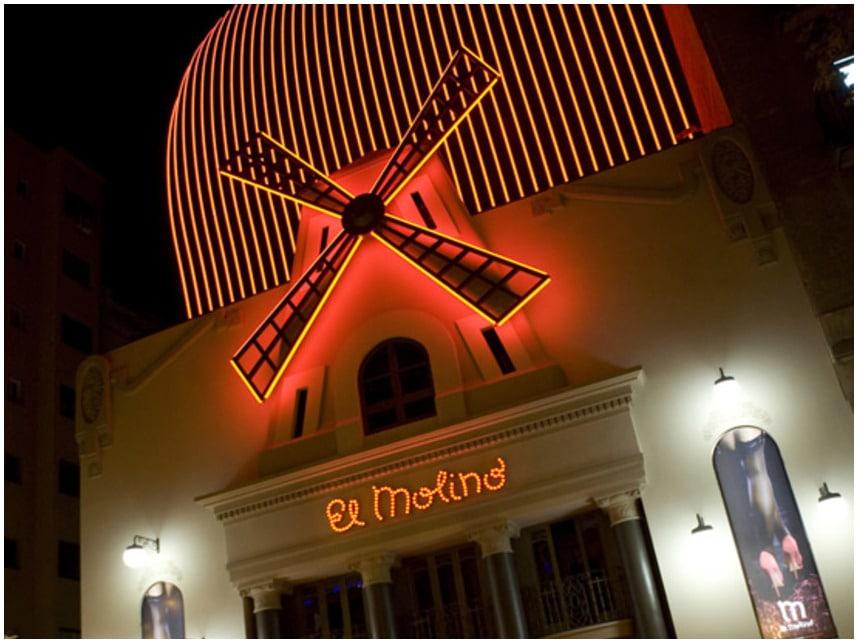
Like the Moulin Rouge, El Molino was born in Barcelona. It was first called Pajarera catalana, then Petit Moulin Rouge, then El Molino. Its façade was renovated in 2010, giving it a much more modern profile, while inside, the city's best burlesque cabaret takes place every night. If you want a show, this is your place.
La Pedrera, Barcelona's hangar
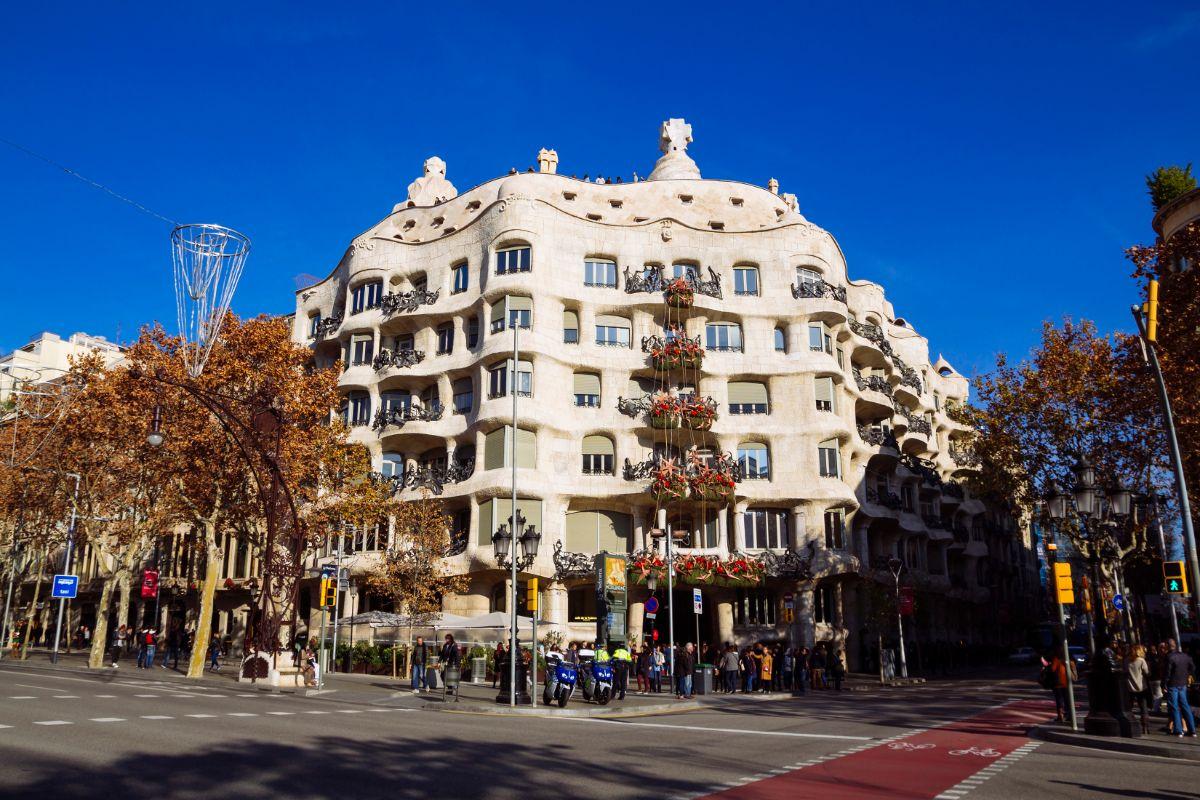
Gaudi's Casa Mila, known as 'La Pedrera', had many detractors in its day, who compared it to a hangar for airships or an Easter monkey. The nickname 'La Pedrera', which means 'quarry' in Catalan, was another of the criticisms levelled at the time. The anecdote that the French politician George Clemenceau arrived in Barcelona to make a speech and was so shocked by the sight of the building that he left without making a quick speech and without understanding how people could live like that. A good example of how time heals all things.
The hidden sculptures of Sainte Eulalie cathedral
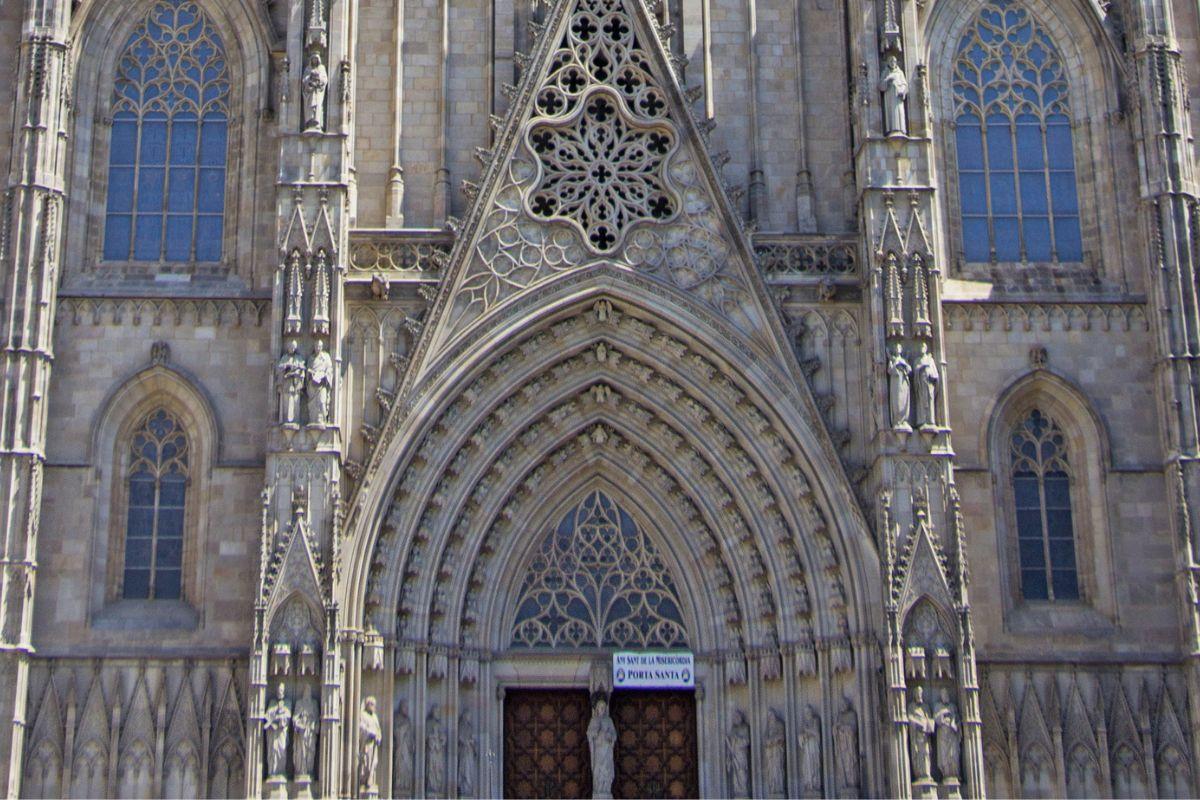
The façade of Santa Eulalia Cathedral was not completed until the late 19th century. When the work was then laid out, many citizens went there to verify the veracity of the legend that, although the roof was not built in the Middle Ages, many of the sculptures intended to decorate it were carved and, according to tradition, buried at the foot of the cathedral. Many people were surprised to discover that nothing had been found, but this has not stopped the sculptures from being moved in the popular imagination to another, as yet unknown, hidden location. Hope is the last thing we lose.
The Plaça de Sant Just and Barcelona's oldest public fountain
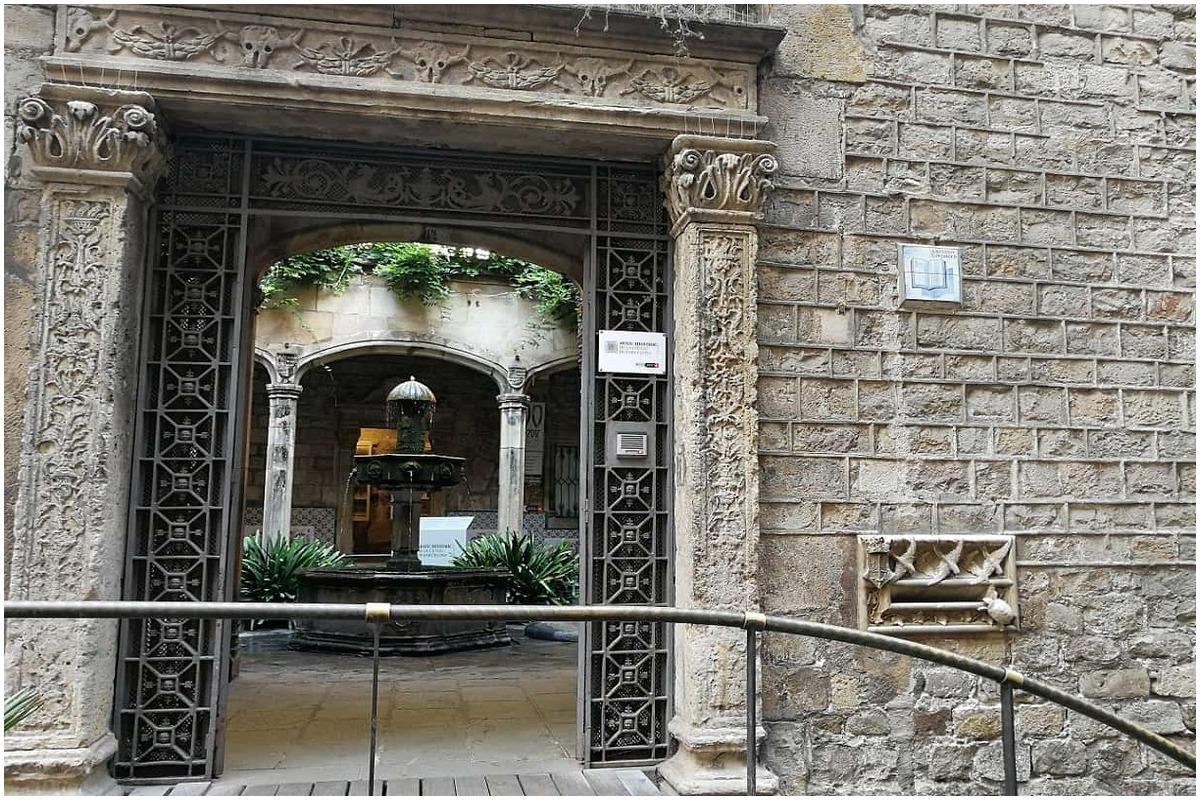
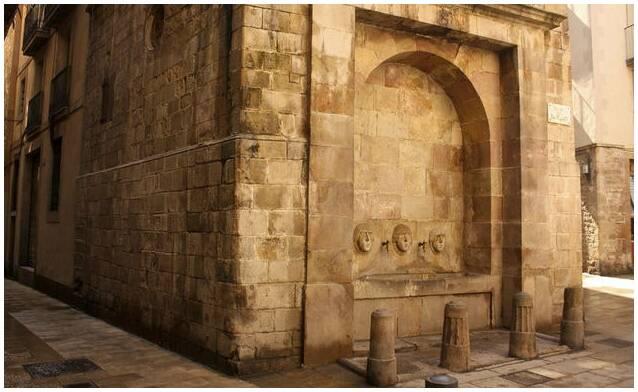
The Plaça de Sant Just is home to Barcelona's oldest public fountain. It was built by the nobleman Joan Fiveller after finding a natural fountain during one of his hunts in the Collserola woods. In Gothic style and with three faces that produce water as the most significant elements, on one side of the fountain, looking up, appears a falcon trapping a partridge, in memory of Fiveller himself and his hunts.
The neighbours of Casa Batlló
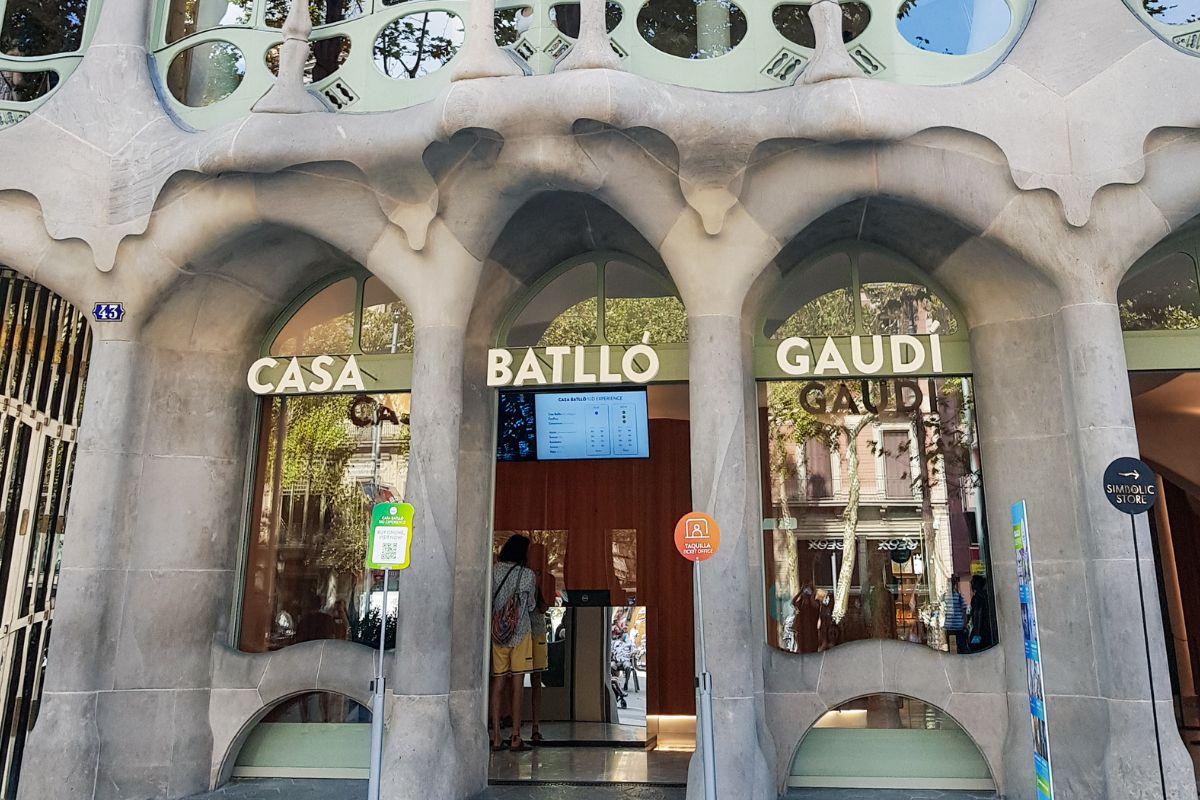
In Casa Batlló , one of Gaudi's masterpieces, as well as visiting the areas run by the Batlló family, now a museum, you may come across some of the neighbours by the staircase, as some parts of the building are still private. As private as the parties that can occasionally be seen through its windows from the Paseo de Gràcia.
Barna langoustine
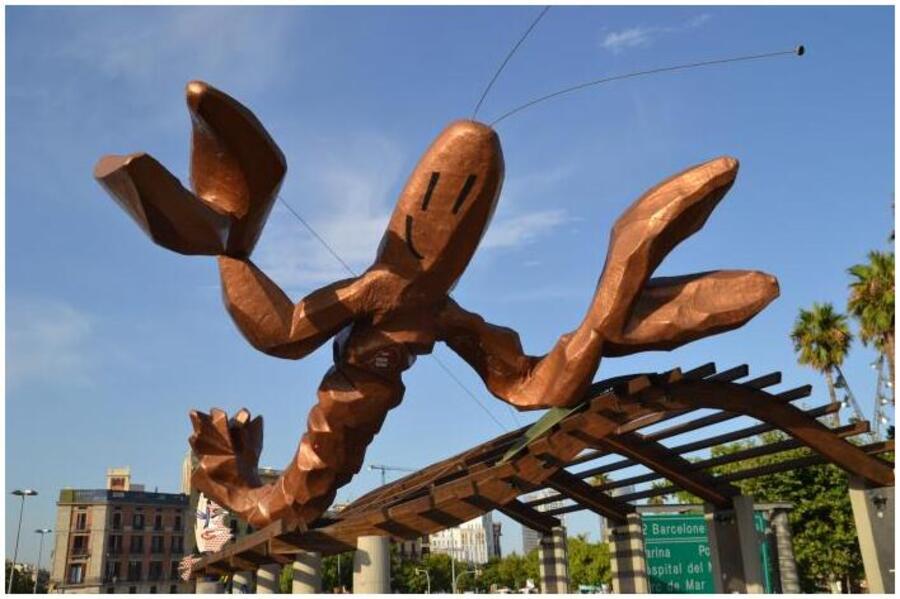
Don't panic if you see a giant prawn above your head on the Paseo Colón: it's a representation of a langoustine, the creative daughter of Javier Mariscal, the same man who gave birth to Cobi for the Barcelona Olympics.
The thinking bull on the Rambla de Catalunya
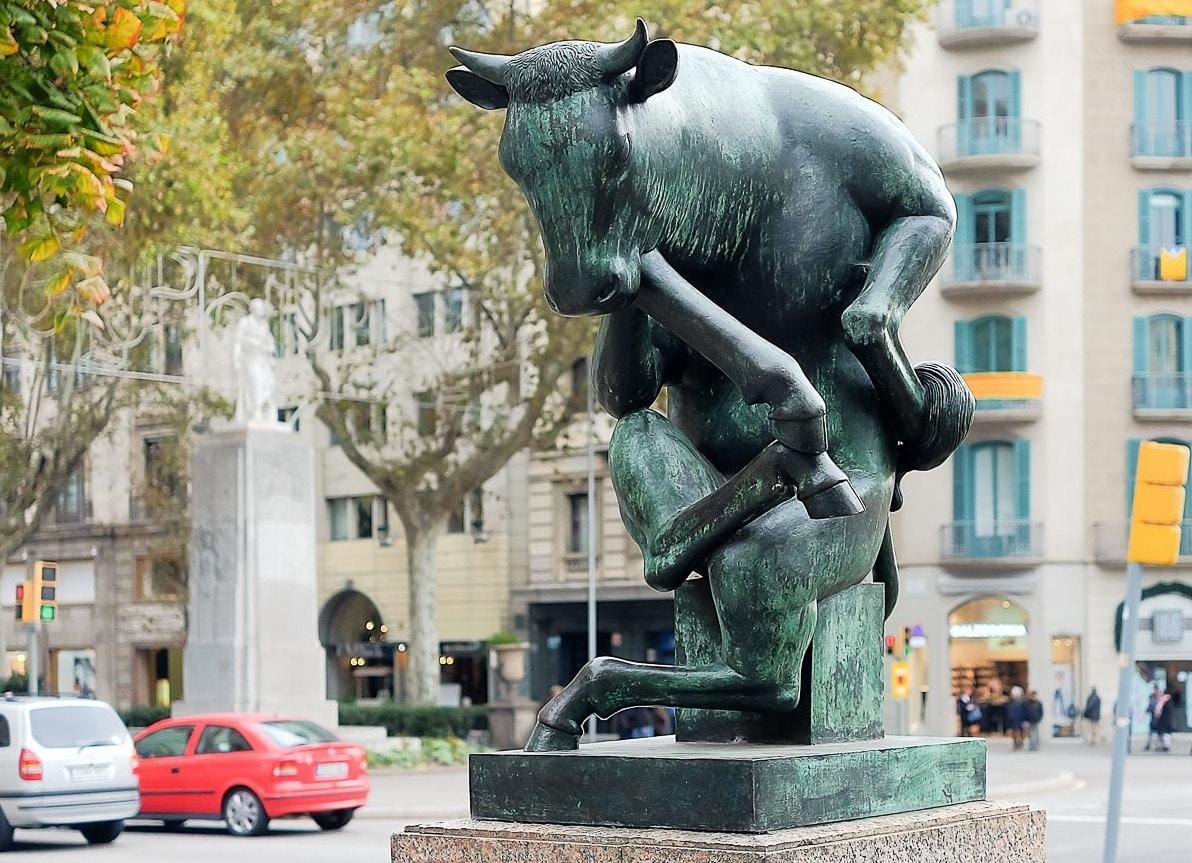
Rodin's The Thinker is not the only sculpture that strives to understand the meaning of life. Josep Granyer, whose career has been steeped in cubism, surrealism and a constant fascination with the animal world, designed the Thinking Bull, which has been located in the Rabla de Catalunya since 1972. Not so long ago, an attempt was made to steal it, but it is still there, concentrated. Nearby, the coquettish Girafa, another of the artist's sculptures, is also watching life go by. We were told to look for them.
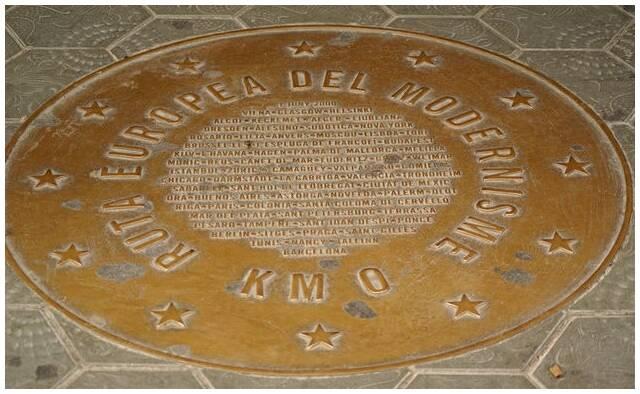
Kilometre Zero of the Modernist Route
Kilometre zero of the Modernista Route of Barcelona and Europe, the eye for data, begins right at the Apple of Discord, at the gates of the Casa Amatller , a few steps from the Casa Batlló. You could say that: you make your way, in this 'modernist' case, by walking.
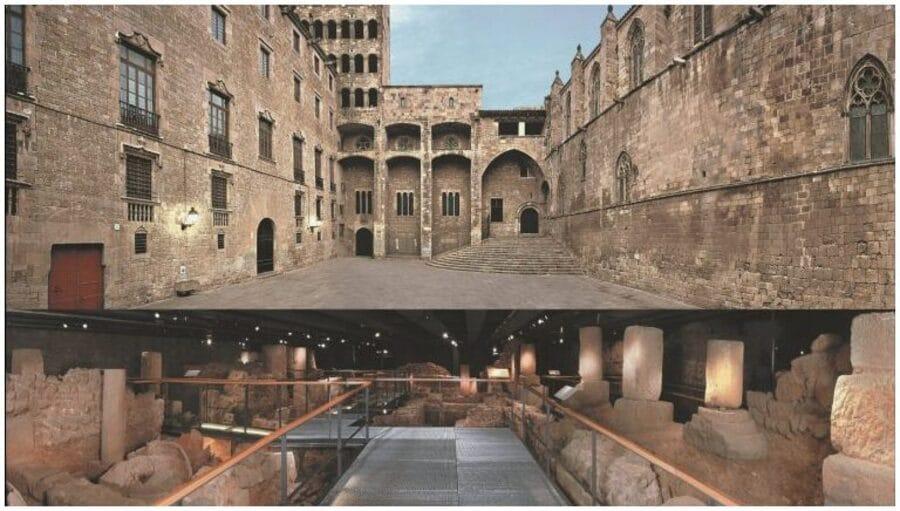
A museum under the Barcelona History Museum
The Barcelona History Museum, housed in the Gothic Clariana Padellàs palace, was moved in 1931 to its current location on the Plaça del Rei from Carrer Mercaders. During the works, the remains of the Roman city were unearthed, an archaeological discovery that can be admired today when visiting the museum.
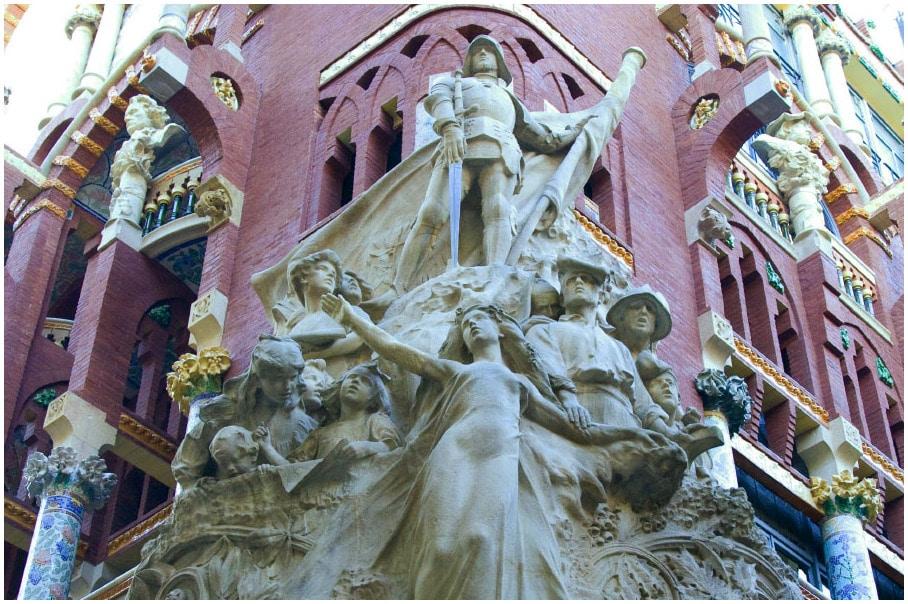
The face of Catalan music, music for everyone
The sculptural figure of the Palau de la Música Catalana is an allegory to popular Catalan song, with Saint George rising above the female personification of music, who appears surrounded by children, an old man, a sailor, peasants and members of high society, as a symbol that music belongs to everyone, regardless of their social status.
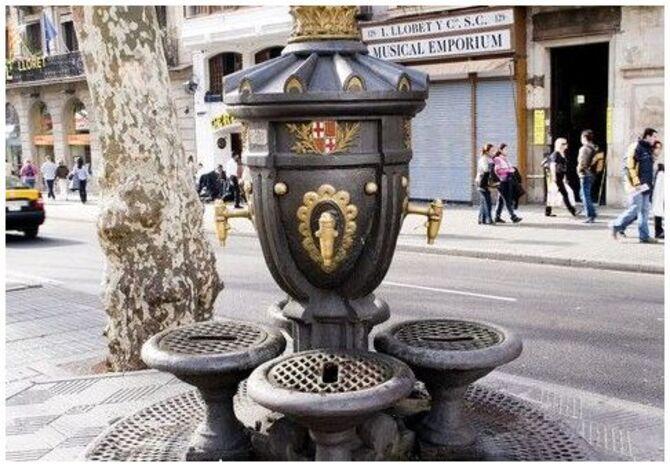
Gutters, Barça territory
It is said that the custom of celebrating Football Club Barcelona's victories at the Canaletas fountain originated in a nearby building housing the editorial offices of the La Rambla sports newspaper, which used to write the latest news on a large blackboard. The results of the blue-and-blue team's matches brought many more people than usual to its windows, and they stayed on to celebrate Barça's victory. One thing led to another, and today, without the newspaper slate, the Canaletas fountain is the place to be when Barcelona has something to celebrate. Another tradition linked to this fountain is that whoever drinks from its waters will be predestined to return to Barcelona. So there are plenty of people queuing up to try their luck.
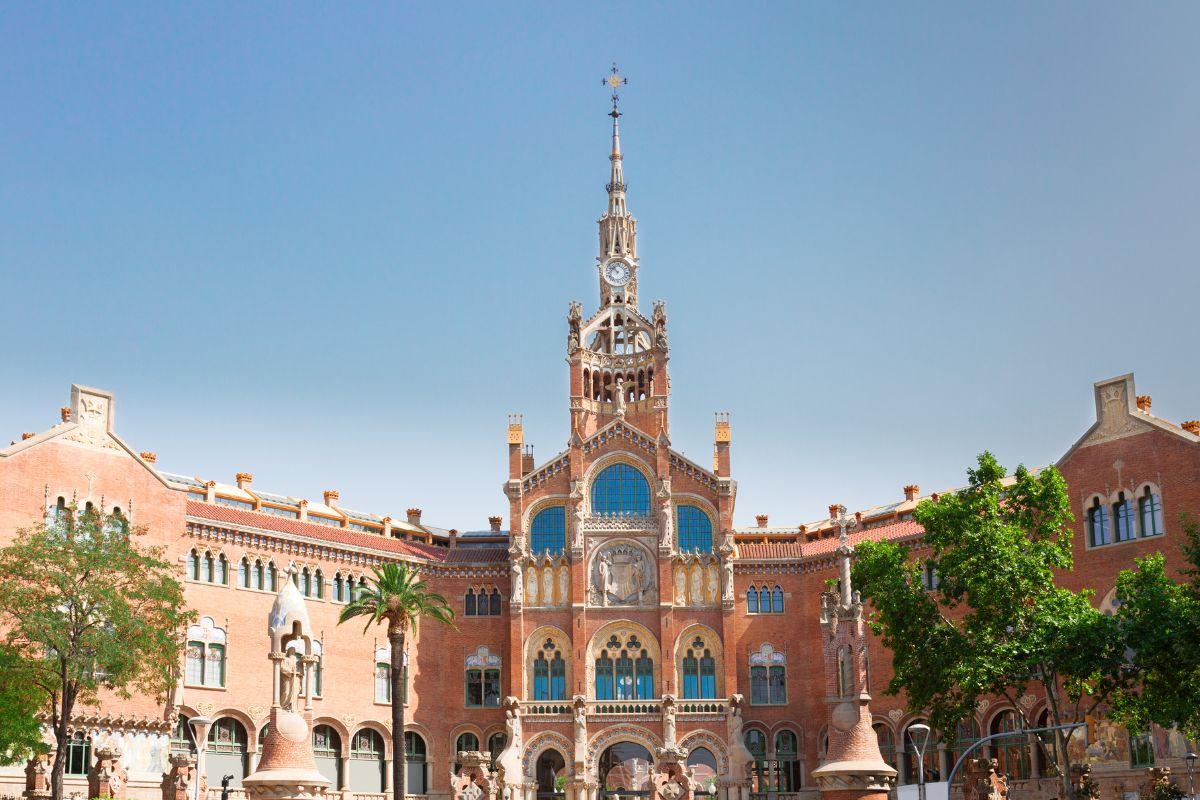
The Santa Creu i Sant Pau Hospital and its rebellion
The macro-project designed by architect Lluis Domènech i Montaner for the Hospital de la Santa Creu i Sant Pau never reached completion, although many of the buildings it contemplated were built, some by Domènech i Montaner himself and others by his son, Father Domènech i Roura. They make up a unique ensemble, representing the best of Catalan Modernism and declared a World Heritage Site by UNESCO in 1997. And although a new building was inaugurated in 2009 to house the hospital, some of the original structures are still in use. As a curiosity, the pavilions were dedicated to saints according to the type of patients they were to house. Similarly, the orientation of the entrance to the enclosure breaks with the grid pattern of Barcelona's Eixample; some say this was because Domènech i Montaner was looking for better ventilation, but others say it was because the architect hated this perfectly geometric urban layout. What is clear is that it is a must-see in the town of Condal.
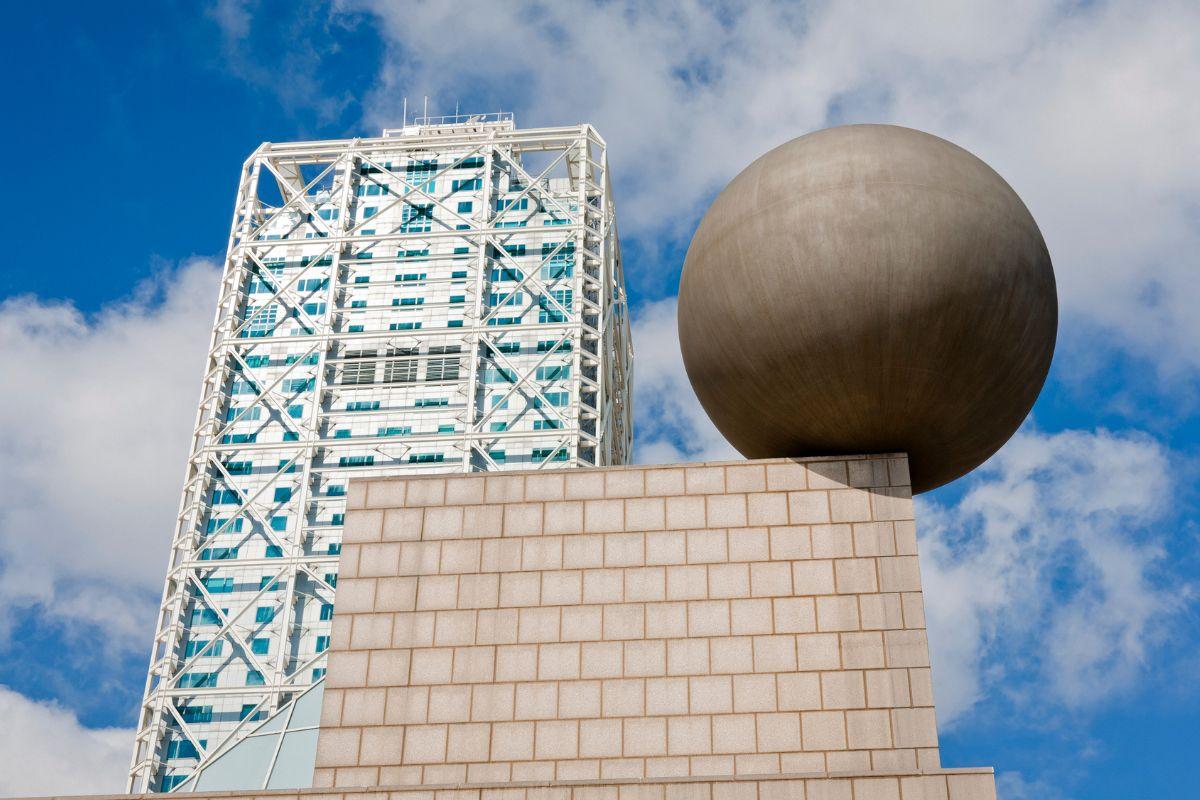
Frank Gehry's Sphere
In Barcelona's Olympic port, there is another sculpture by Frank Gehry. A sphere that appears to be suspended in mid-air, about to fall from its pedestal. However, no Masonic symbol has yet been given to this sculpture. It simply represents the perfection of geometry and its fragile but sure order.
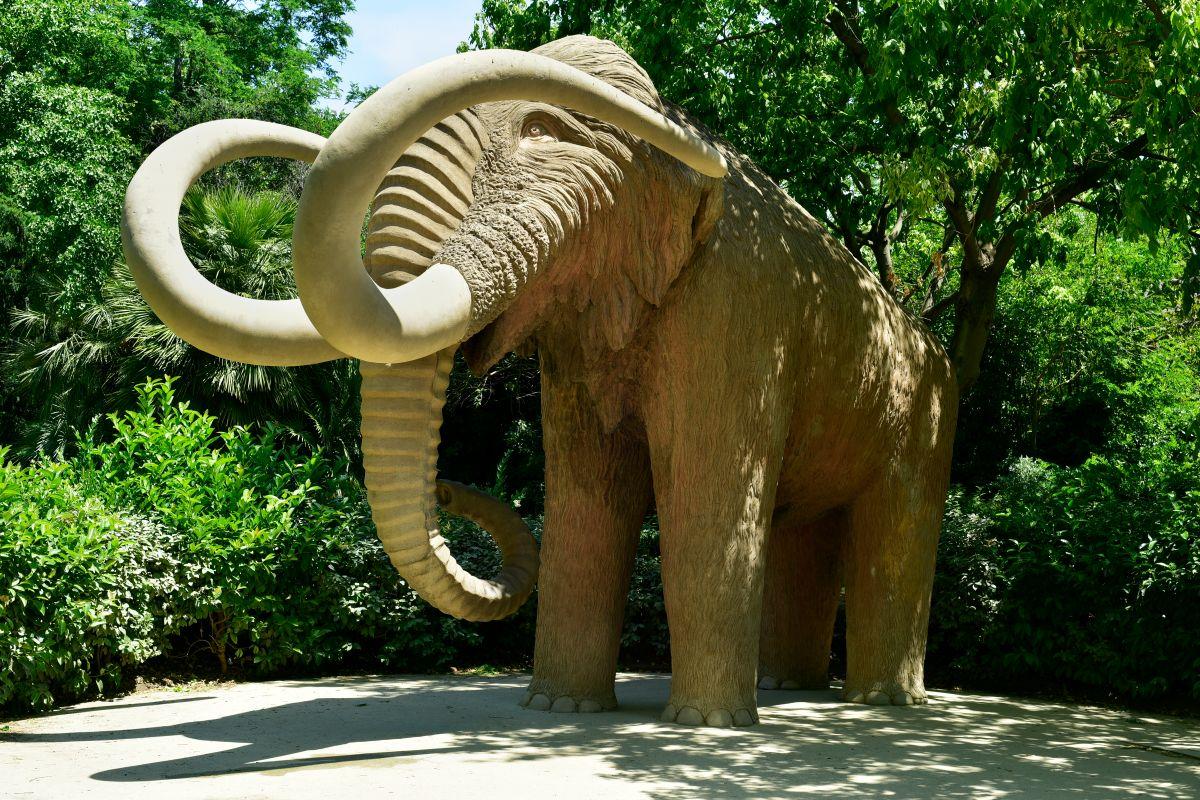
A mammoth on the loose in Parc de la Ciutadella
Norbert Font, a famous geologist and naturalist who introduced speleology to Spain, had the brilliant idea of placing a dozen sculptures of prehistoric animals that had once populated Catalonia in the Parc de la Ciutadella. The first of these, and ultimately the only one for Font's death in 1910, was a mammoth, which in its stone and bright colours comes as a surprise to those who see it for the first time. Today, it's a favourite with children.
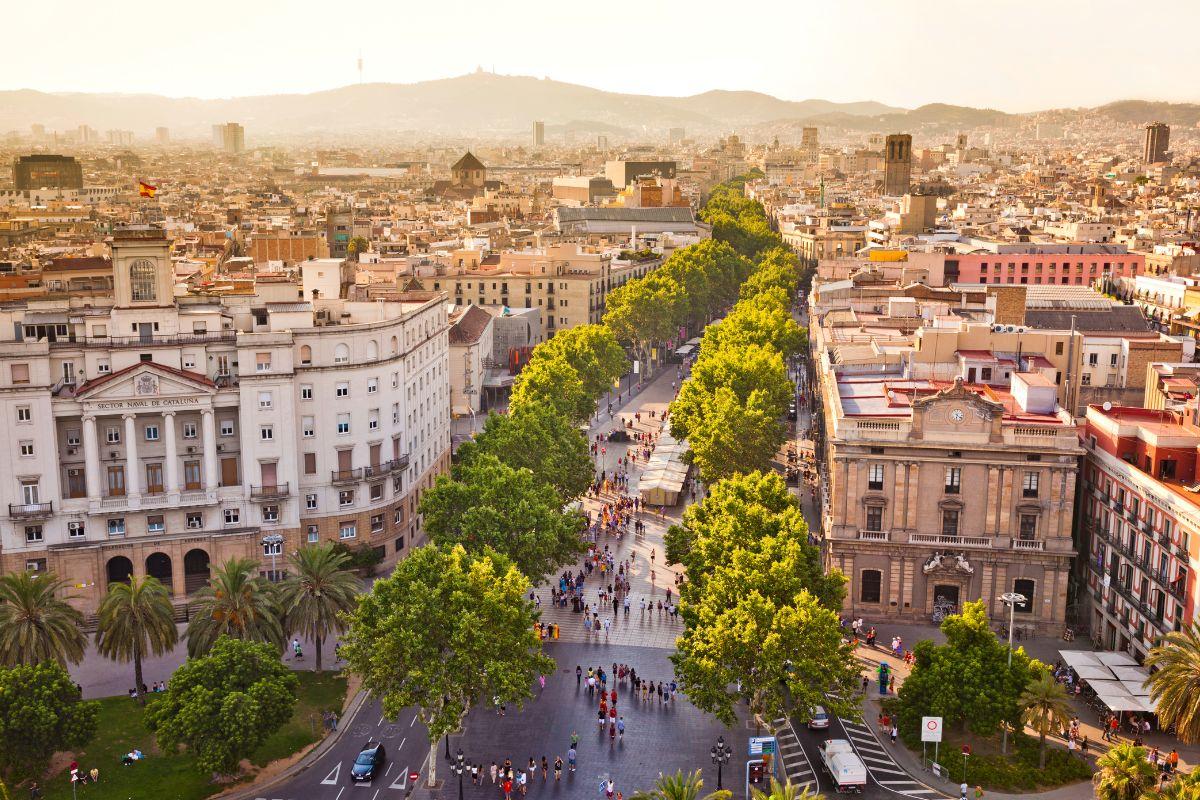
The Arab origins of the Ramblas
The Ramblas is perhaps Barcelona's most famous avenue. The origin of its name comes from the Arabic word 'Ramla', which refers to a stretch of sand, because in the past, before the area was urbanised, the river d'en Malla, a stream that flowed into the Plaça du Duc de Medinaceli, passed through Las Ramblas, creating a stretch of sand as it passed.
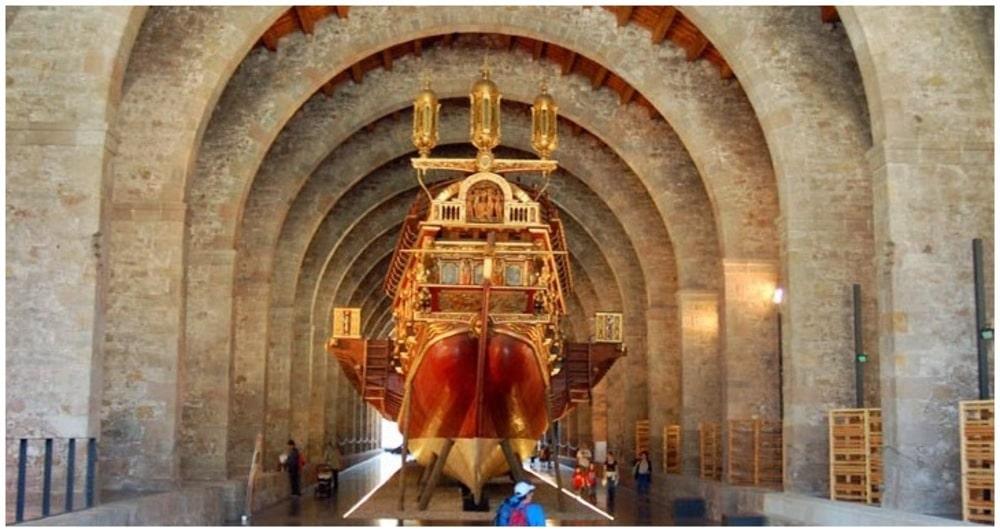
The Royal Gallery of John of Austria at the Maritime Museum
In Barcelona's Maritime Museum, among other things, you can admire a trustworthy reproduction of the Royal Gallery of Juan of Austria, built in the Ciudad Condal in 1571, the largest ship of its time and the main ship in the Battle of Lepanto, for which the fourth centenary, in 1971, this reproduction was built.
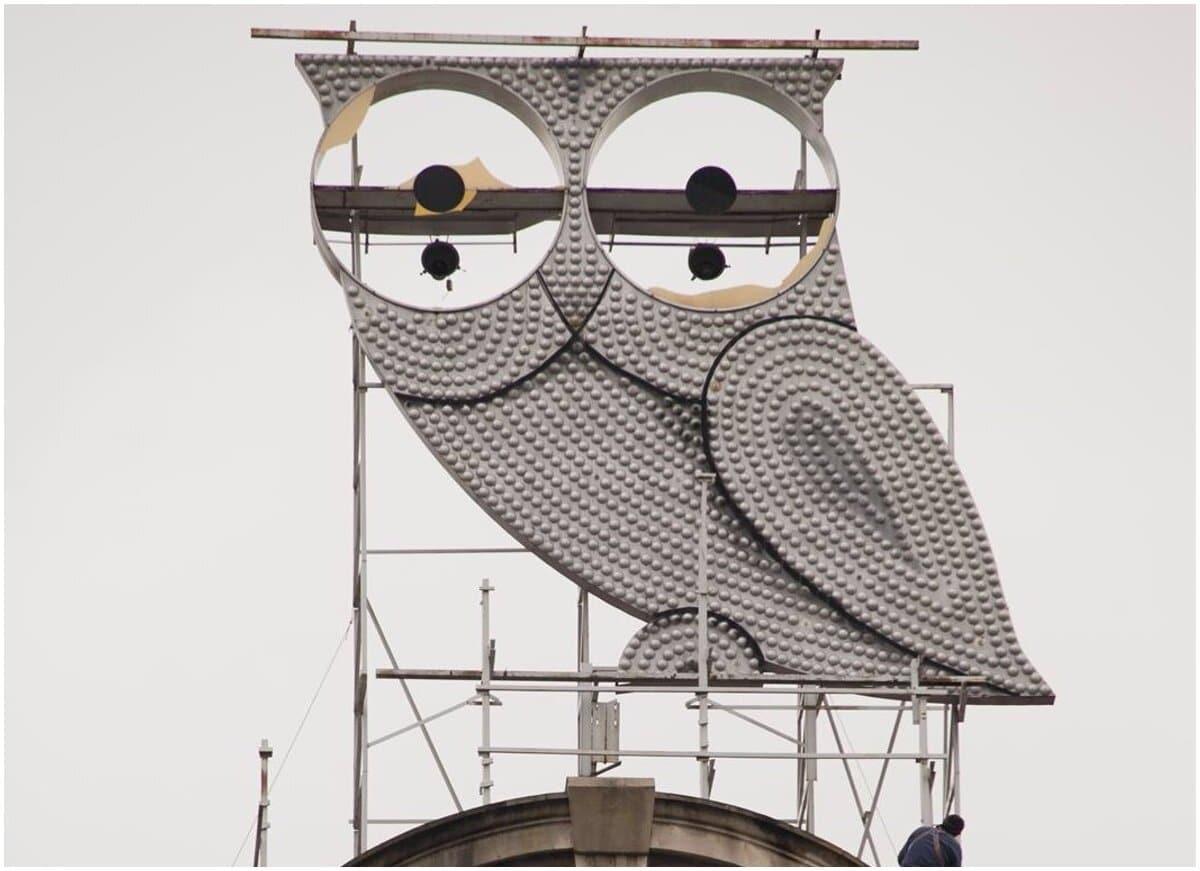
The owl that presides over the confluence of the Diagonal and Promenade Sant Joan
This owl is to Barcelona what the Schweppes sign is to Madrid (and Santiago Segura). Born as an advertisement for Ròtuls Roura in the early 1970s, it survived the 2004 Ordinance on the Uses of the Urban Landscape and, what's more, was restored in 2011 to shine again that same year. A symbol of Condal City.
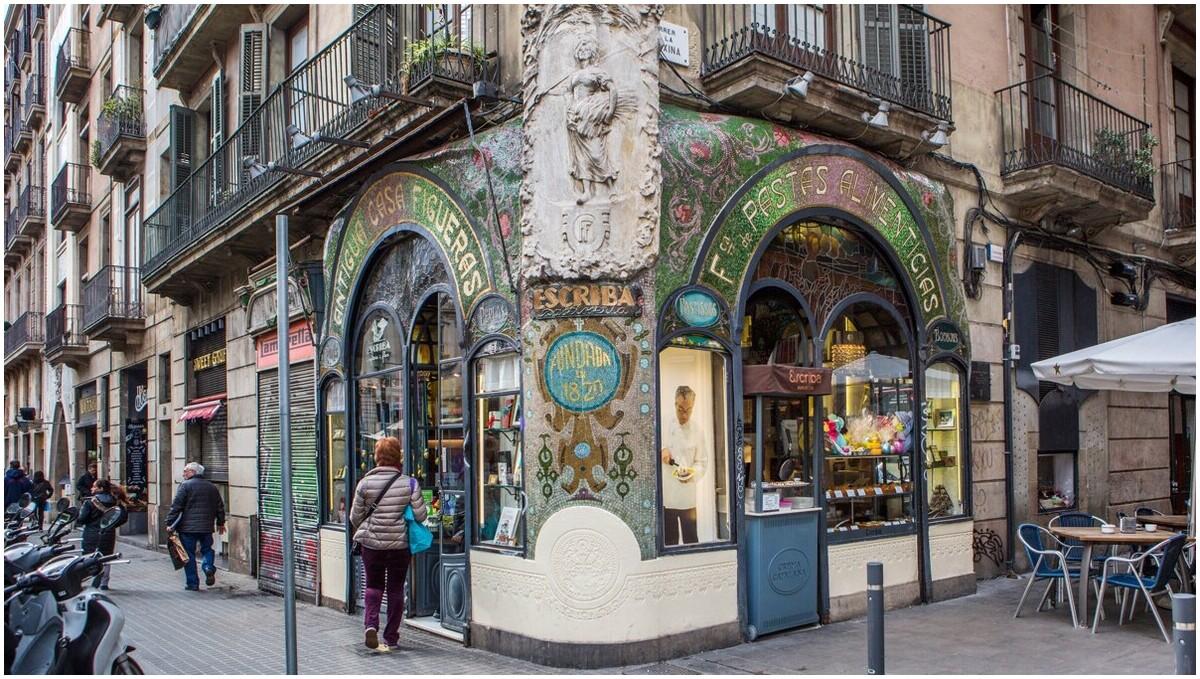
La Casa Figueras, the pastry shop with two owners
The Figueras pasta factory, built in 1820, was renovated in the early 20th century in the dominant Catalan Modernista style of the time. And so, with its facade of tesserae and curves, it has shone out over the Ramblas ever since. And although the owners of the Old Figueras House are no longer the Figueras family, but the Escribà patisserie, the façade has remained with the original signs, because they sensibly believed that they were part of Barcelona's history. If you have a sweet tooth, look no further, here you will enjoy it with all your senses.
The first Renaissance building in Catalonia
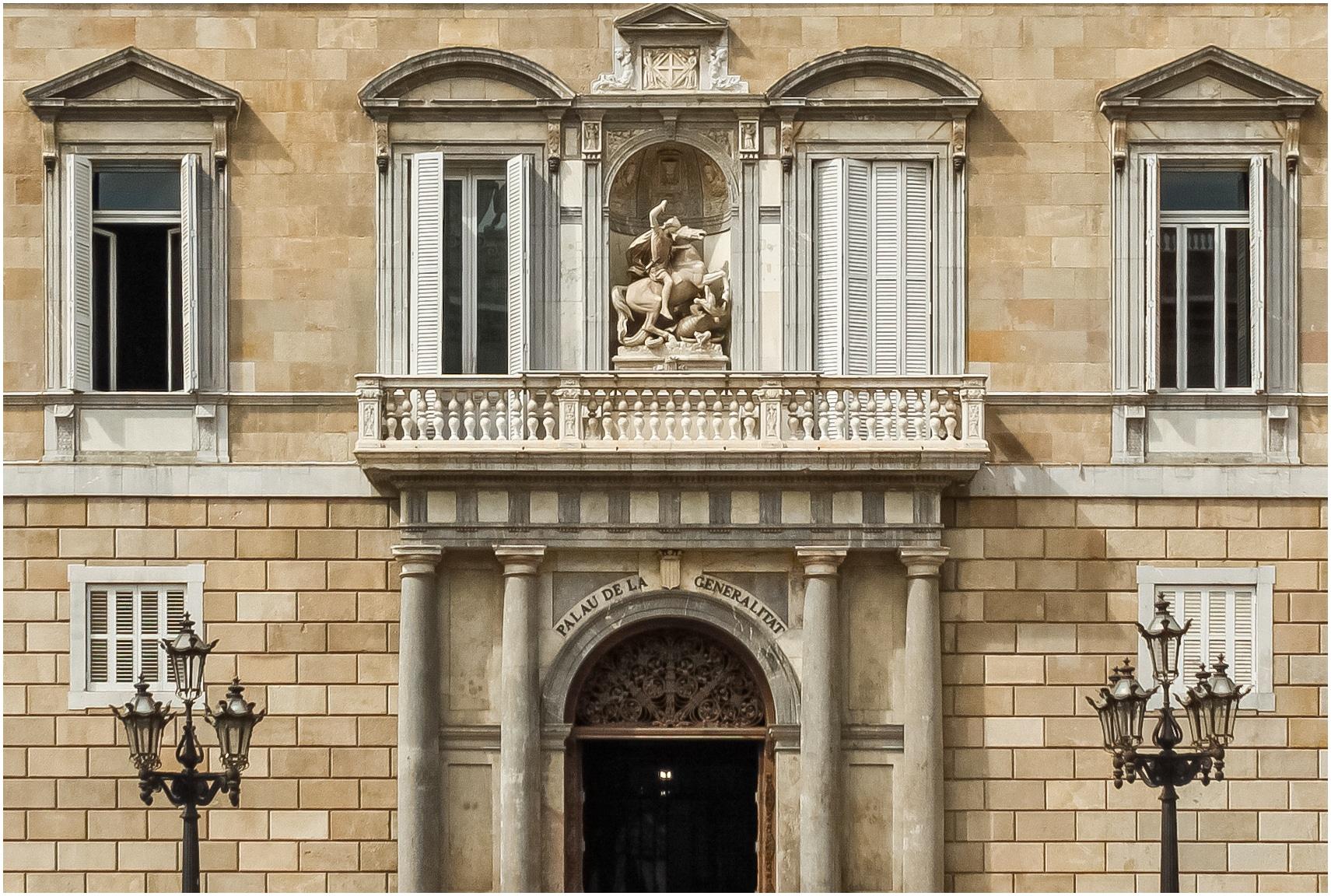
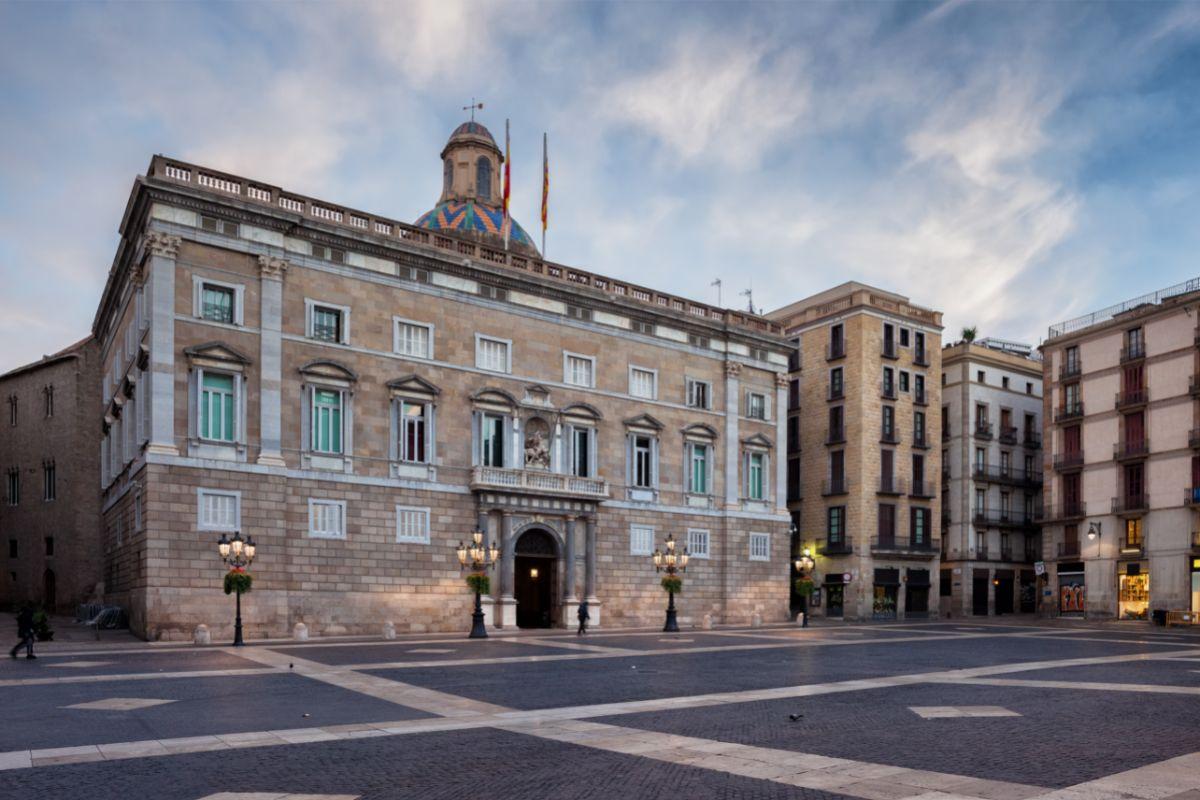
It is said that the Renaissance façade of the Palau de la Generalitat de Catalunya, which overlooks the Plaça de Sant Jaume, was the first building of this style to be constructed in Catalonia, leaving behind the Gothic and making way for a new architectural and cultural horizon.
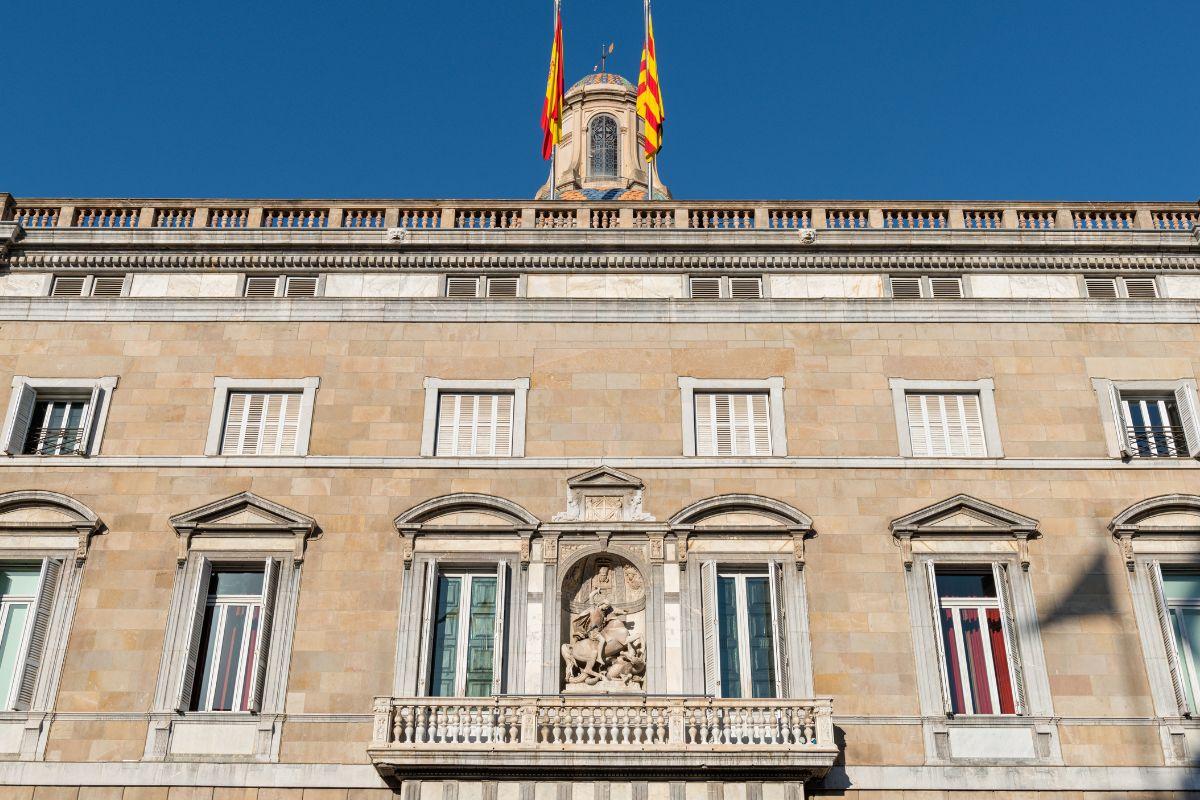
Sant Jordi, patron saint of Catalonia
On the Renaissance façade of the Palau de la Generalitat, overlooking the Plaça de Sant Jaume, is a statue dedicated to the patron saint of Catalonia, San Jorge. And it's precisely on the saint's feast day, April 23, that the building opens to the public, and the whole of Catalonia is given over to the Sant Jordi celebrations, which according to tradition are flowers and books that take over everything for one day.
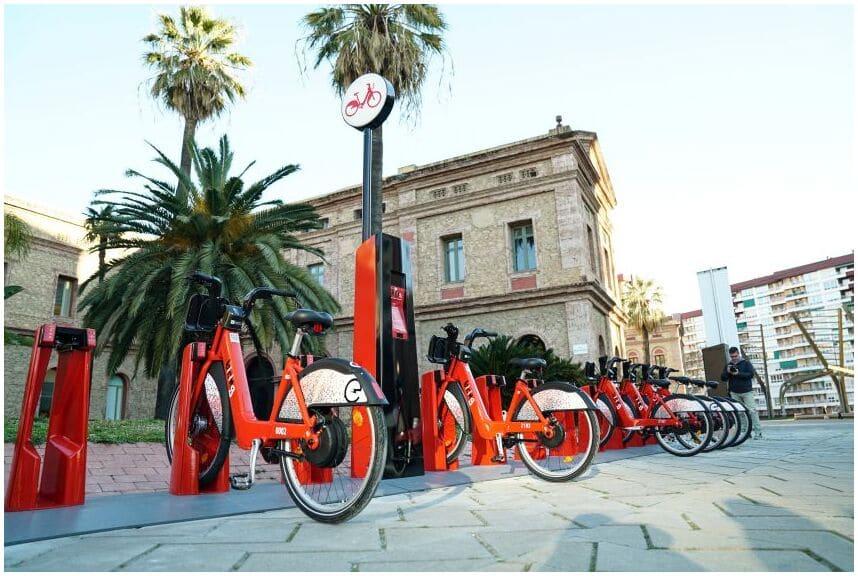
Barcelona on two wheels
Barcelona's extensive network of cycle lanes and the ease with which you can pedal across the city's basically flat terrain make it easy to get out of the house on two wheels. Even more so if a **service like Bicing ** is so well integrated into the city (it already has 190,000 subscribers). And take note: Condal is also one of the few Spanish towns to have a Bicycle Office.
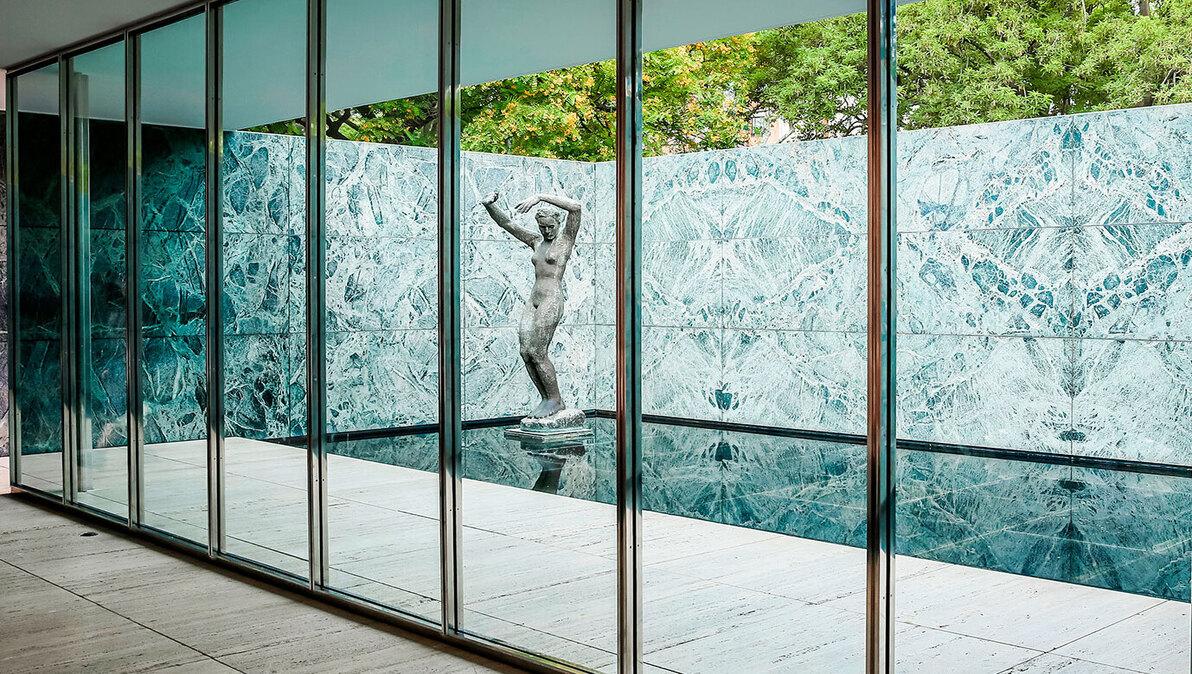
The Mies Van De Rohe pavilion, twice built
The pavilion that Germany built for the 1929 International Exhibition in Barcelona has become famous the world over for its minimalist architecture. Mies Van De Rohe was behind the project. Despite numerous requests to the German government for the building to remain once the exhibition was over, the country's economic situation meant that it had to be dismantled and all the parts returned to their original location. Such was its fame in the years that followed that in 1954 the architect Oriol Bohigas planned to return it to the same site. This arduous task was rewarded by its reopening on 2 June 1986. And this is the story of the prodigal son.
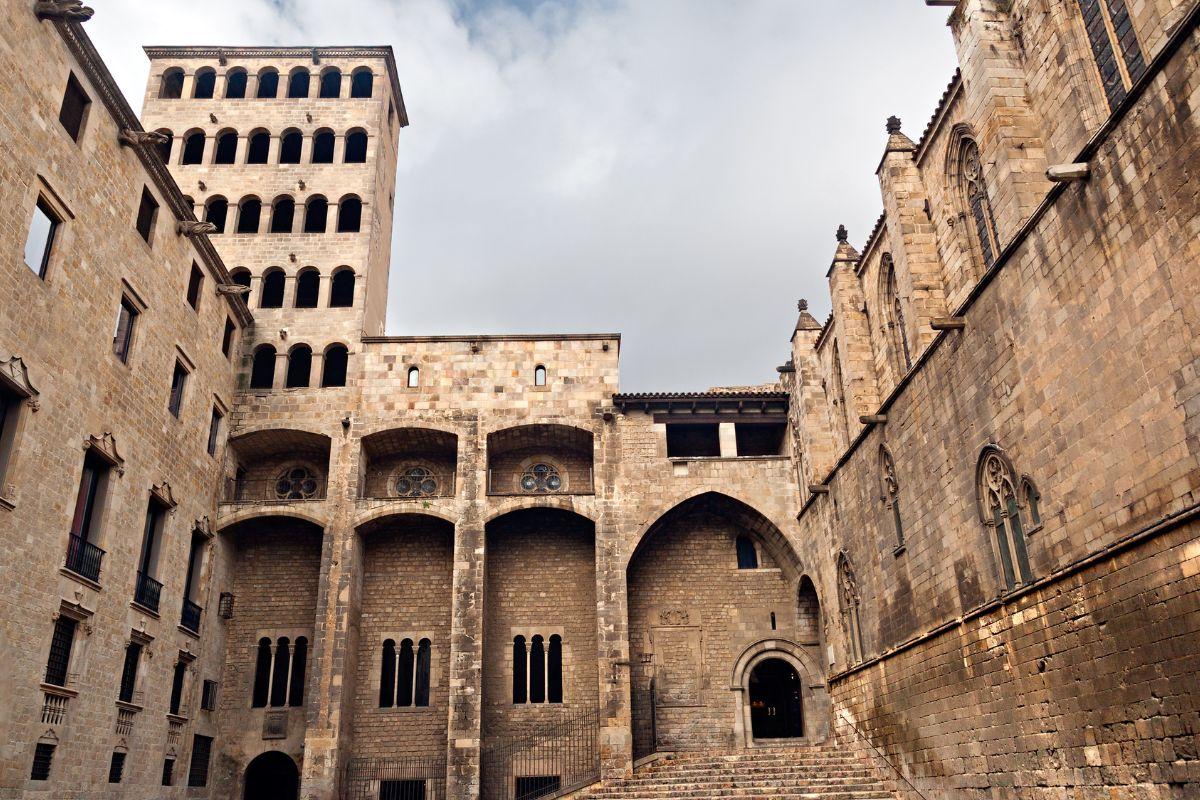
The Roi Marti lookout, the dead king's tower
The Rei Marti belvedere, on the Plaça del Rei and part of Barcelona's Royal Major Palace, residence of the Counts of Barcelona, was named after King Marti, the Human, even though he died in 1410 and the tower was erected in 1555. The explanation is simple: the belvedere is located on the same spot as another tower, and yes, one that stood next to the king. It is said that this belvedere, which originally had a four-sloped roof, was considered in medieval times to be the tallest building in the world, let's face it, a whole Gothic skyscraper. But it's also true that many people hadn't seen it. A must-see monument if you're visiting Barcelona.
Saint James the Apostle in the Plaça de Sant Jaume
In the Plaça de Sant Jaume, on one of its sides, you will find in a niche the equestrian statue of the apostle James the Great, Saint James the Apostle or Saint Jaume in Catalonia, patron saint of Spain. This saint gives his name to the square because, according to tradition, this is where the thistle and the decumanus converged in the Roman city of Barcino, where the disciple of Christ, on his way to Compostela, spread the Word of God.
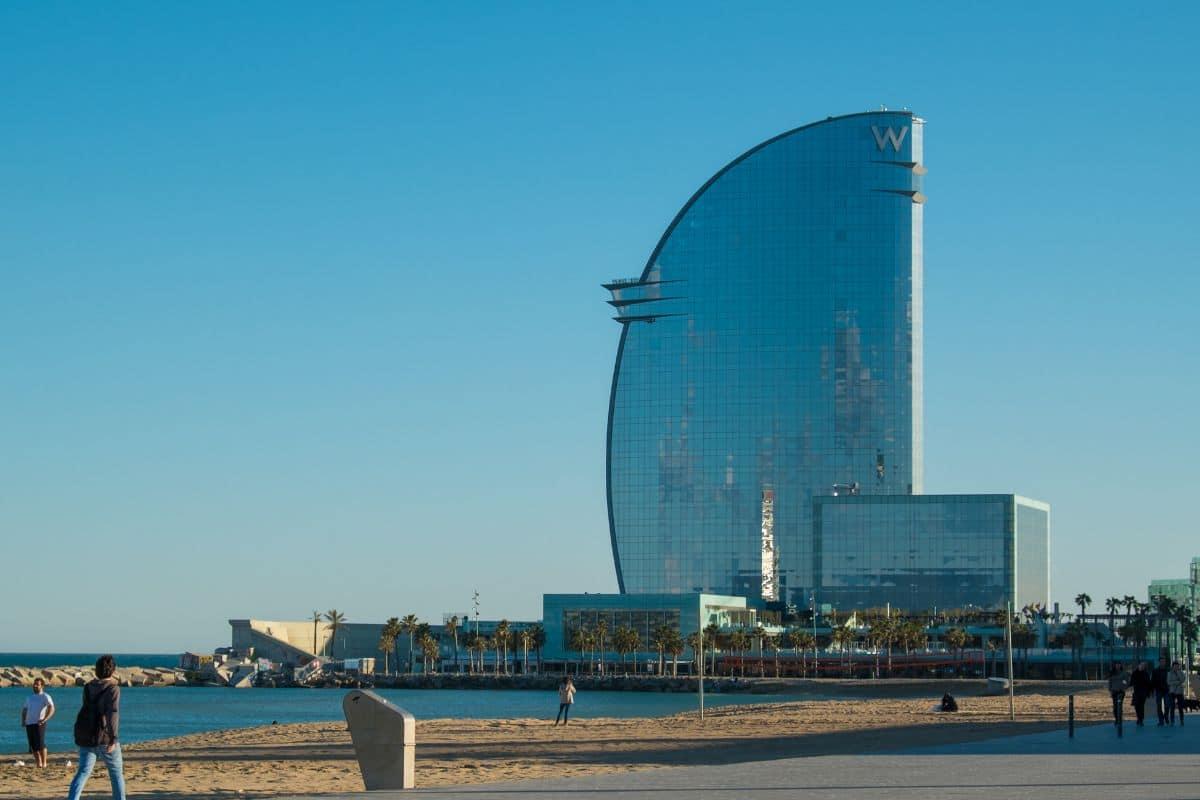
La Barceloneta, Barcelona's famous urban beach
La Barceloneta is arguably the most famous urban beach in Spain and one of the busiest in the world. It got its name from the neighbourhood of the same name that was built on its back in the 18th century, but it was with the construction of the city's first port in 1447 that the coastline took on the shape it has today. It is strange to think that when sea bathing became fashionable in the nineteenth century, there were initially separate areas for each sex, being the baths of San Sebastian that began the co-existence on the beach of men and women, not without scandal, of course.
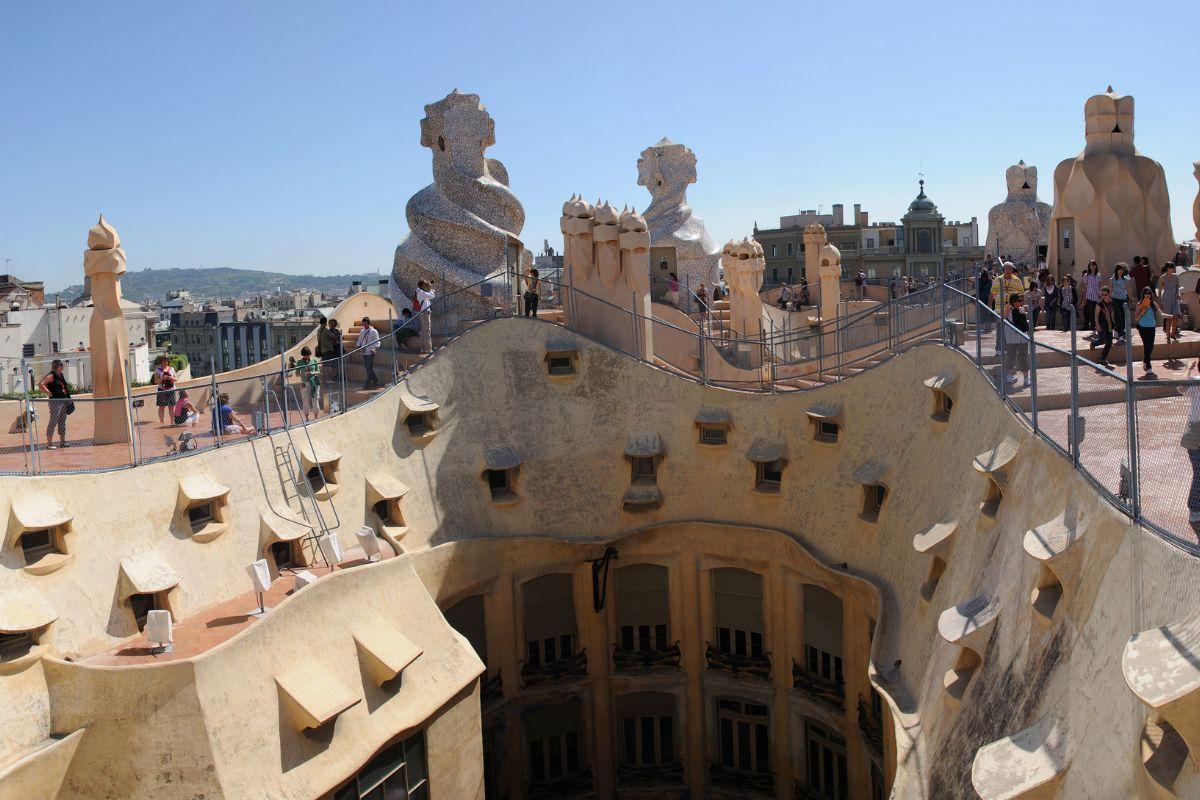
A sculpture garden on the roof of La Pedrera
The most beautiful and dreamlike chimneys, ventilation towers and doors in the world can be found on the roof of La Pedrera , which, as well as offering an exceptional view of the Passeig de Gràcia, forms a veritable open-air sculptural garden. One of the most distinctive features of the Milà house are the chimneys, which resemble warriors' helmets. Go up and take out your own similarities, not forgetting to find the arch that frames the Sagrada Familia perfectly on the horizon.
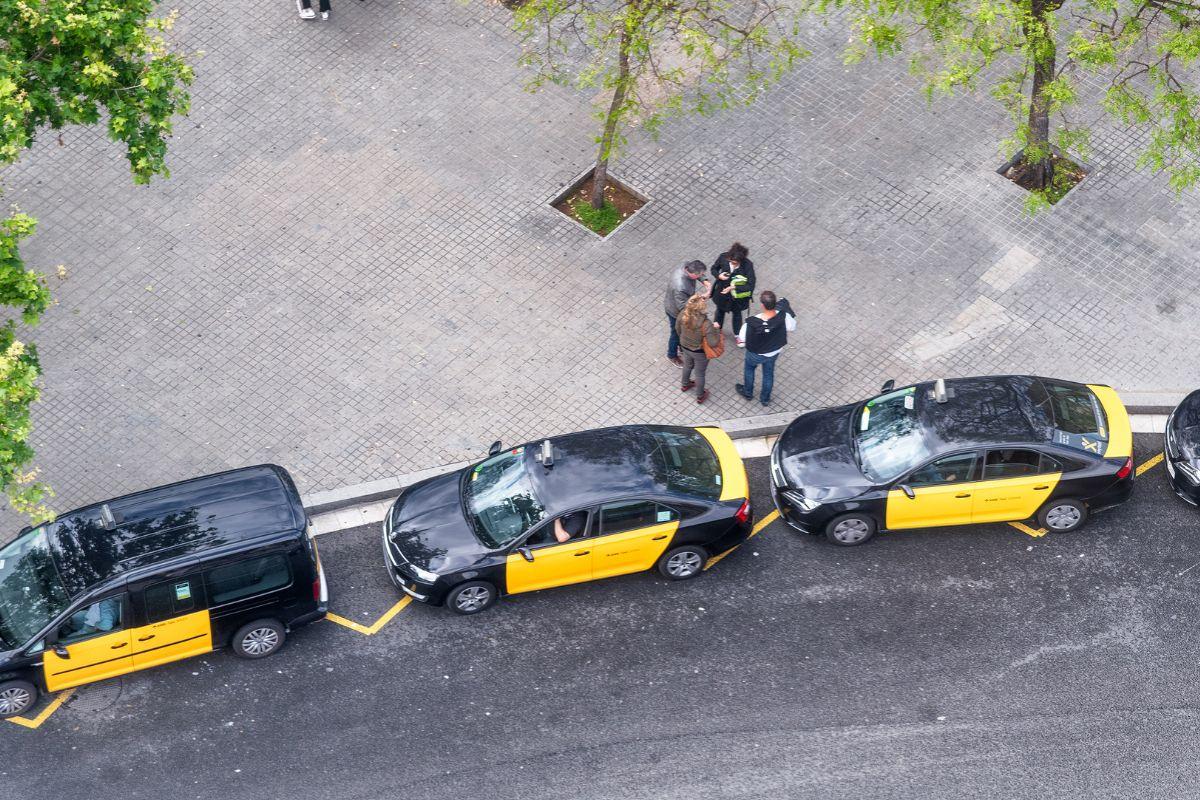
Why are taxis in Barcelona black and yellow?
If in Madrid one of the most common images is of the Gran Via filled with white taxis, in Barcelona it's up to you to find the Plaza de Catalunya black and yellow. These colours have their origins in a Highway Code approved by the City Council in 1924, which not only required taximeters to be installed, but also painted a line under the window for easy identification (white, red, yellow or blue, depending on the fare). With the boom of the 1929 Universal Exhibition, the number of taxis in Barcelona multiplied, and to avoid illegal vehicles, excessive fares and so on, the city council decided to institutionalise the colour yellow as the official colour of the city's taxis.
The building with the oldest sgraffiti in the city
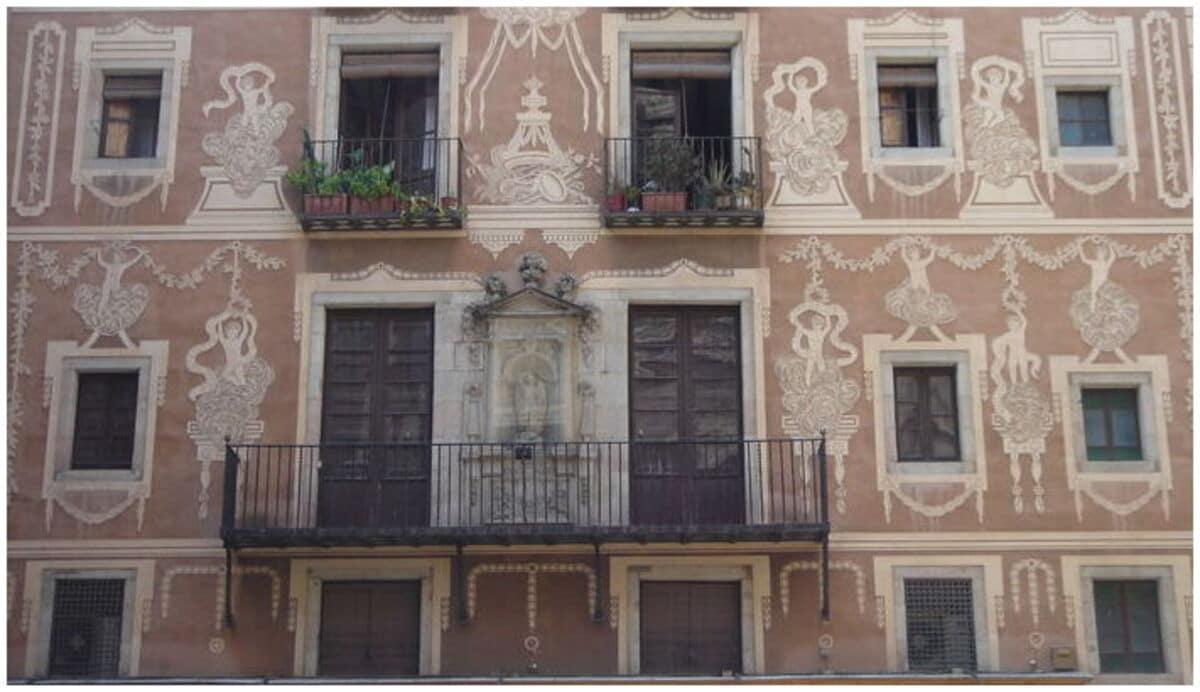
In the Plaça del Pi, a sculpture of St Michael the Archangel, patron saint of the Tenders Revenedors guild in Barcelona, has guarded the façade of its headquarters since the 18th century, making it the building with the oldest sgraffiti in the city. Created in the Baroque style using this technique, which uses sand from the beach to decorate as if it were a print, they decorate one of the city's most beautiful buildings.
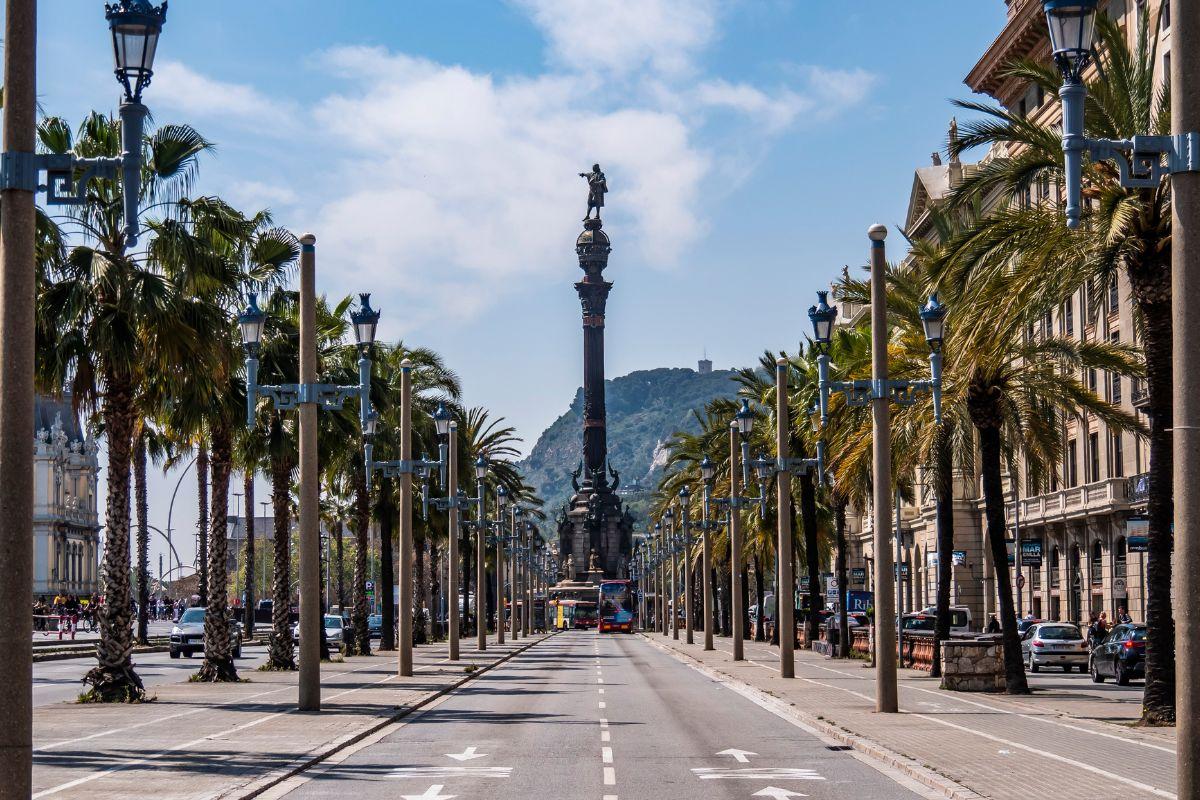
Which side is America on?
The monument erected at the end of the Ramblas to the discovery of America, Christopher Columbus, is one of the city's most famous icons, although it is not without controversy. Ever since the statue of the admiral was erected in 1888 at the top of the column with his finger raised, everyone has wanted to explain the direction of the finger. Some claim that it is an allegory for the discovery of the New World, since it points to the sea as the means by which we reached America, even though the continent is geographically on the other side, while others claim that it points to Genoa, Columbus's homeland. We haven't chosen any of them, and leave the choice to you. Perhaps it helps if you climb up to the belvedere right at the foot of the discoverer and see it up close, by the way, enjoy the view of the city from the top of the column, even if you forget your finger.
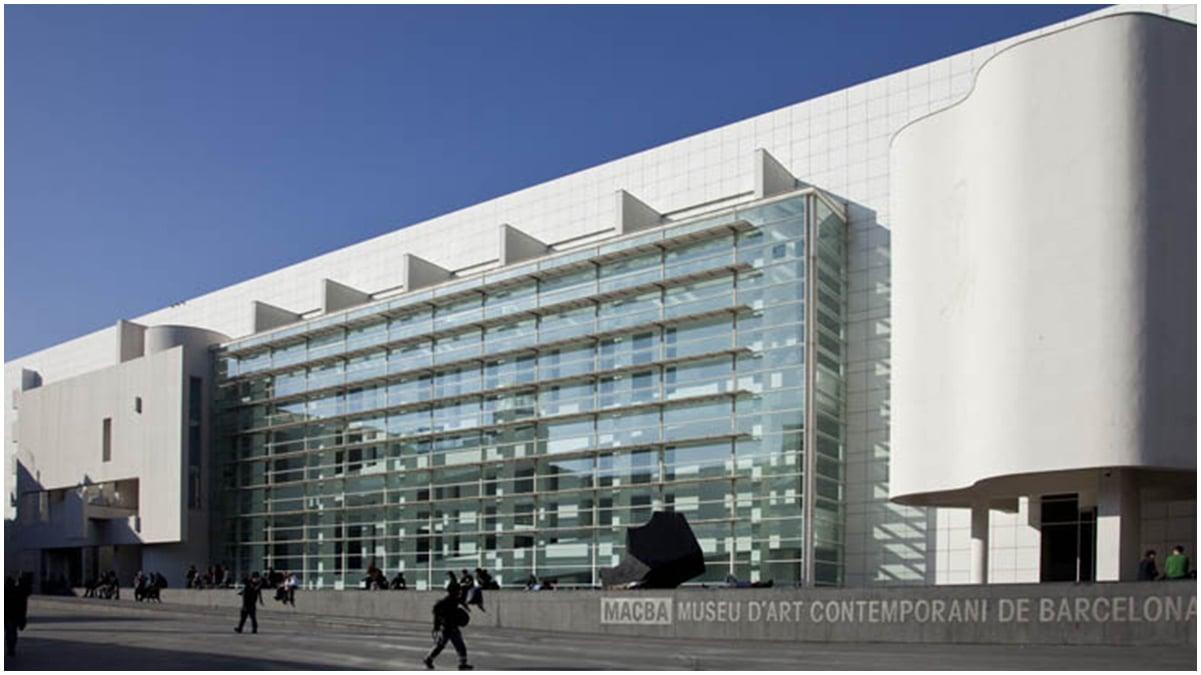
The streets of the MACBA
When American architect Richard Meier moved to the Raval to build a new museum to house contemporary art, he said his aim would be to integrate the city within it. In an attempt to extend the public space into the building. In this way, the ramps of the MACBA, perhaps the most representative and photogenic element of the main building, are, according to Meier, "as much a part of the Plaça dels Àngels as they are of the MACBA". So, walking around the museum has been said.
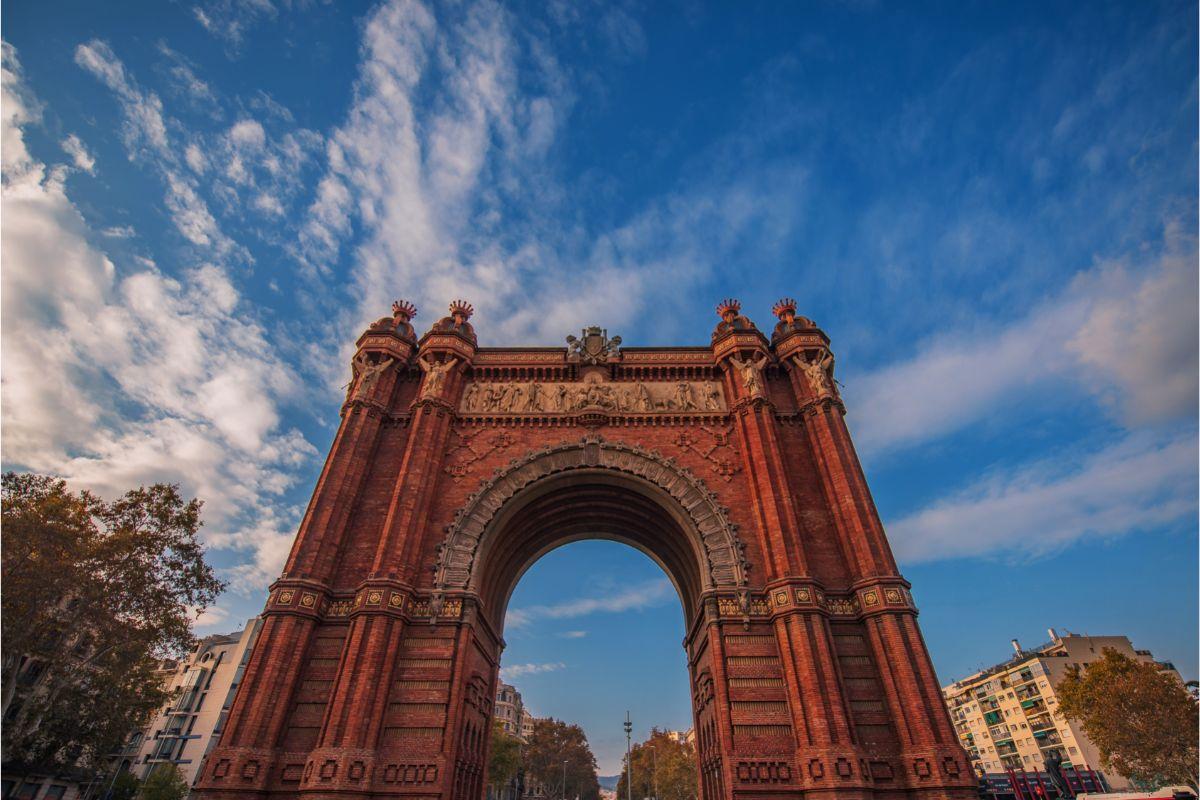
Barcelona's Arc de Triomphe, a truly civil monument
The Arc de Triomphe de la Ciudad Condal, unlike other arches with a marked military character, was created to commemorate a civil milestone, serving as the monumental entrance to the Barcelona Universal Exhibition of 1888. This is why, in its neo-Mudejar structure of exposed brick, the allegorical reliefs of industry, commerce, agriculture, science and the arts stand out, towering over them the central relief that personifies Barcelona as a woman welcoming all the nations of the world with open arms. Today, it is sometimes used as a target for various sporting events, the most important being the Barcelona Marathon.
The unfinished Park Güell
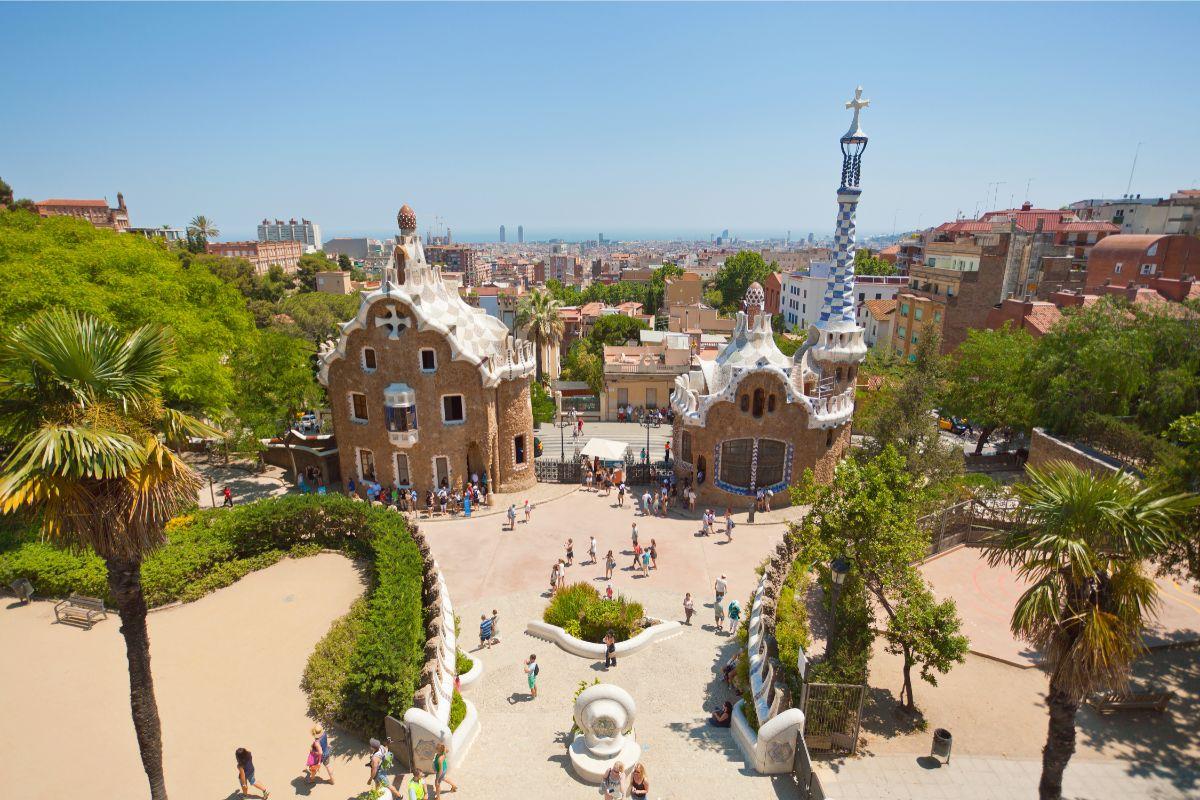
Conceived as a garden city, Gaudi never saw Park Güell , which he and Count Güell had planned to build a large number of luxury homes surrounded by a vast garden for Barcelona's upper middle classes. But they refused, and the park remained as it was at the outset, with just two houses. In one of these, now the Gaudi Museum, the architect himself lived between 1906 and 1925. Although the project was never completed, Park Güell, with its entrance, pavilions, dragon-shaped gate and staircase with fountain, is now one of Barcelona's most famous landmarks. A must-see on your visit to Barcelona.
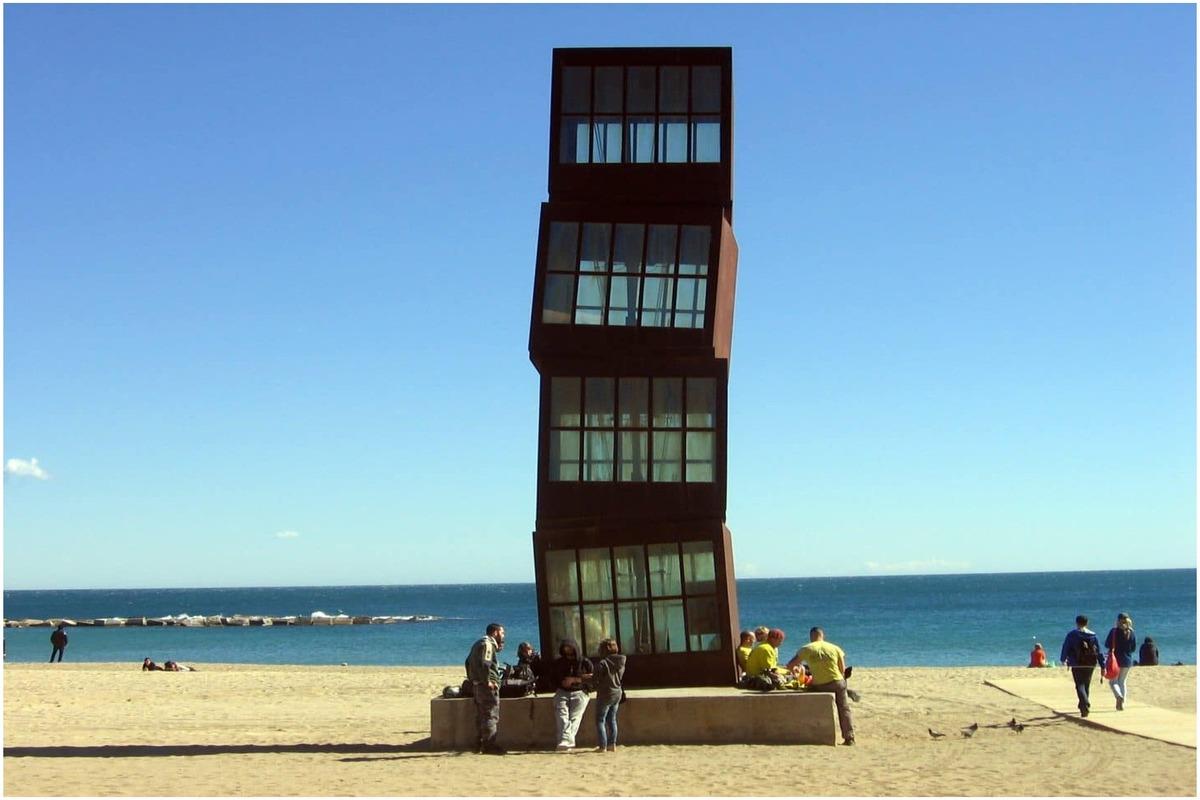
La Estrella Herida de La Barceloneta
The cubic structure that stands on the beach at La Barceloneta is the work of contemporary artist Rebecca Horn, installed for the 1992 Olympic Games and named Estrella Herida. Made of iron and glass, a light emanates from the four discoloured cubes and a murmuring sound can be heard, representing the death of the star as it collides with the earth.
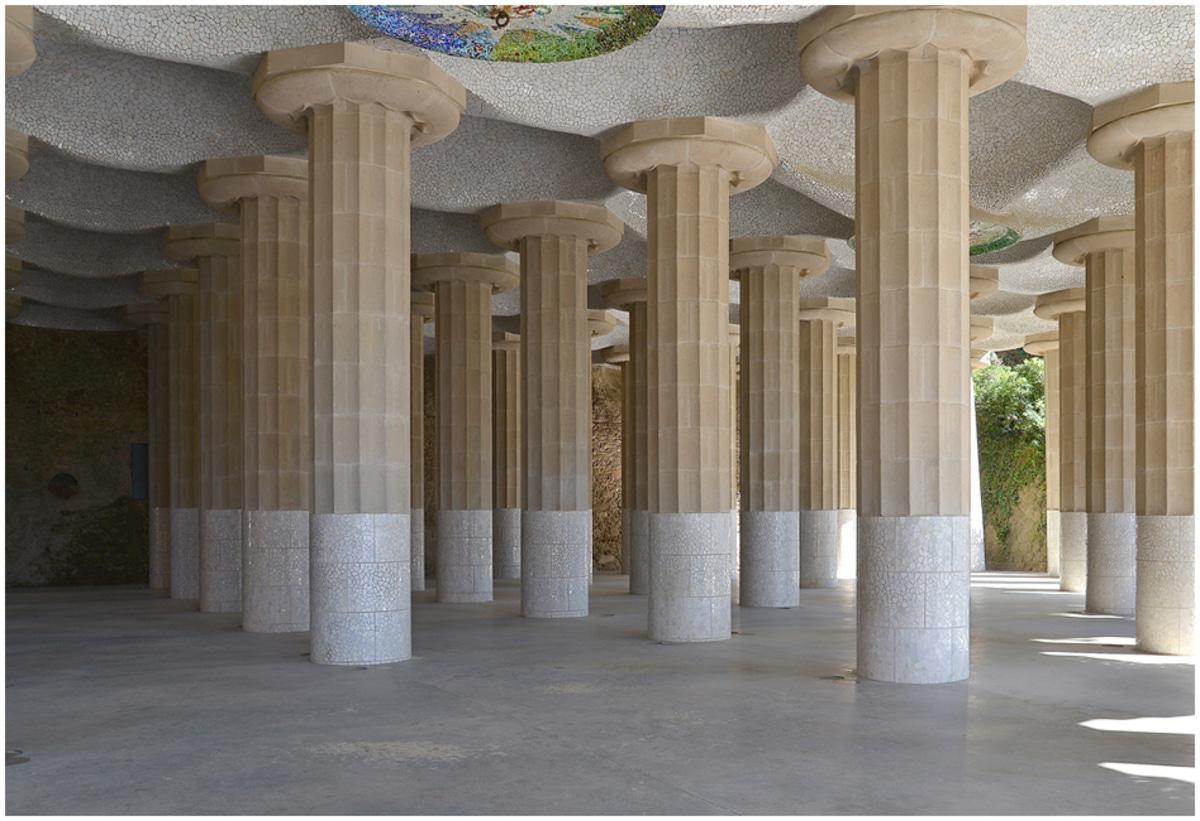
The pipe columns of Park Güell
Beneath the hypostyle hall of Park Güell is a cistern fed by water channelled through pipes inside some of the columns, which connect directly to the square above, the one with the undulating benches of broken tiles. In this way, rainwater was collected and channelled to supply certain points in the park, such as the source of the lizard.
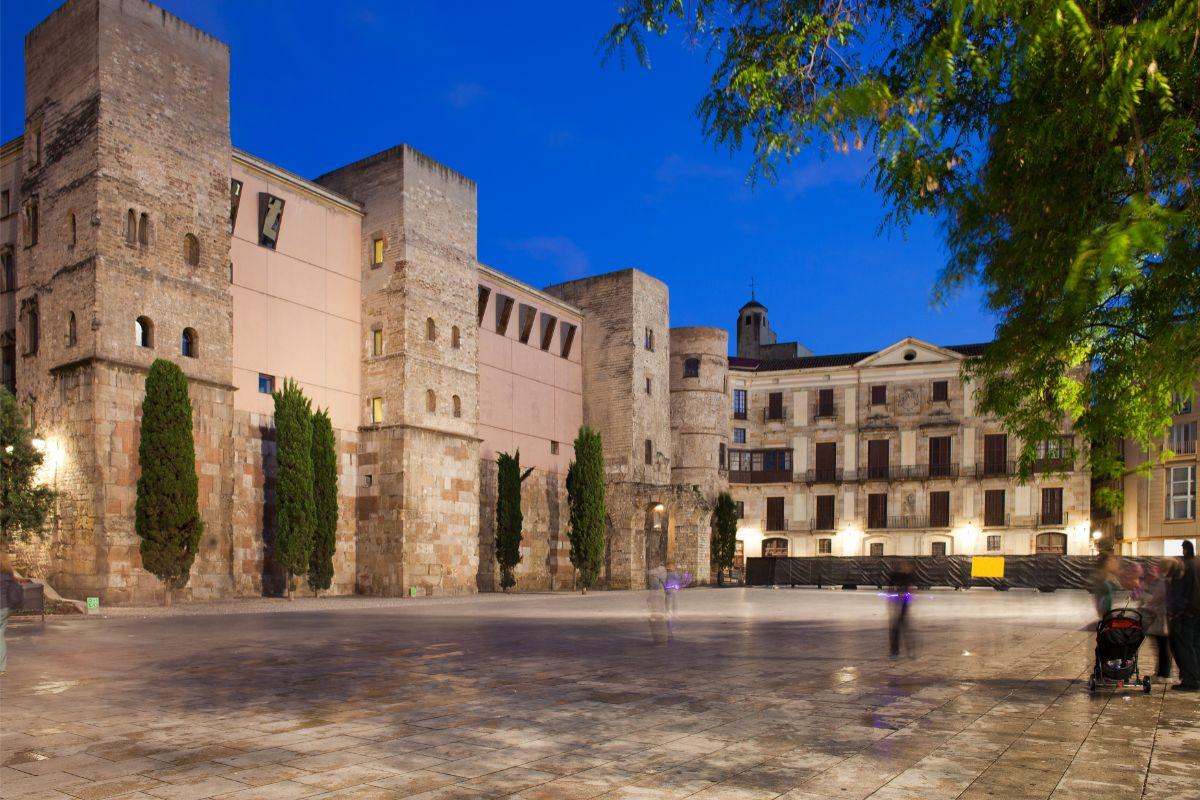
The walls of Barcino
Barcelona's 9-metre-high Roman walls, which can be seen today, were the second to be built in Barcino, after the first were torn down by a Balearic attack in the second century AD.C. At various points in the Gothic quarter, its remains are clearly located, which are linked to later buildings, with the Portal del Bisbe, or Bishop's Portal, in Plaça Nova, as the most famous of these for being the only portal, of the four that had the wall, that has been preserved.
Eterno Liceo
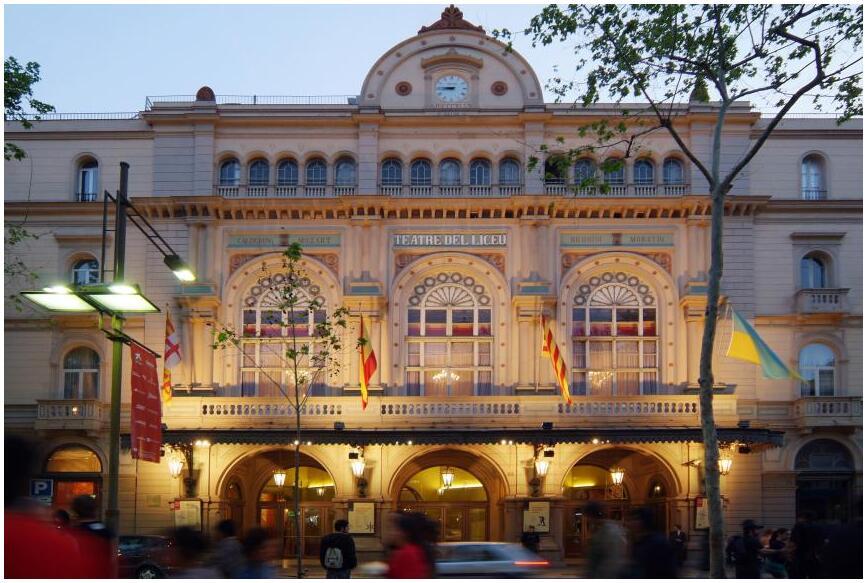
The Gran Teatro del Liceo has suffered two fires and an anarchist attack in the course of its history, but this has not robbed it of an ounce of magnificence and has made it indestructible. The first fire completely destroyed the auditorium and stage on 14 April 1861, the second not so long ago, on 31 January 1994, and was followed nationwide by the media. As for the anarchist attack, masterminded by Santiago Salvador in 1893, it was a turning point in the history of the theatre, killing 20 people and awakening society to a new reality.
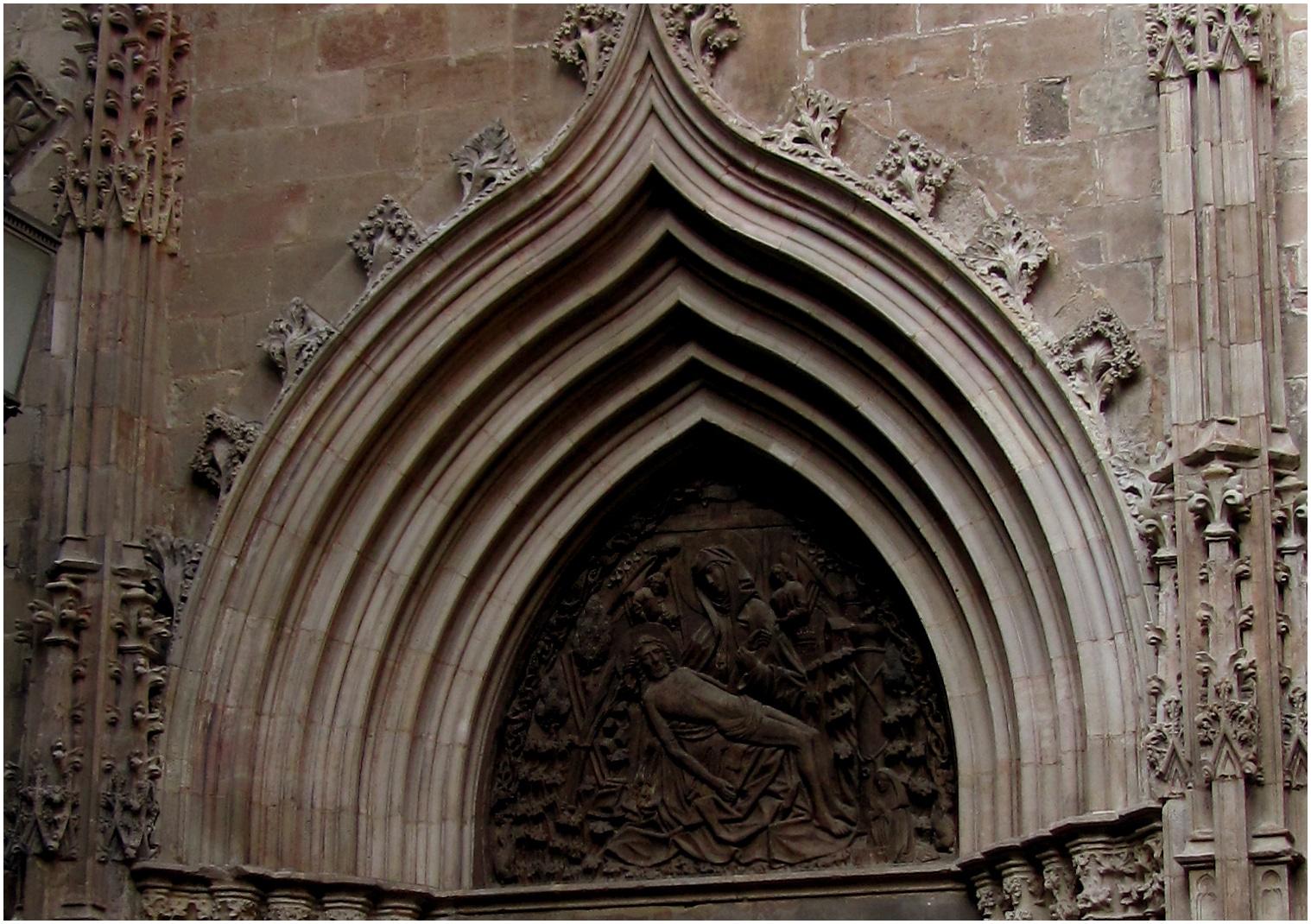
The copy of La Piedad in Santa Eulalia Cathedral
The tympanum on the door of the Pietà in Santa Eulalia Cathedral was carved in wood by the German artist Michael Lochner, who pioneered the Germanic Gothic style in Barcelona. But it is a copy that we can see today, as the original work was transferred to the Cathedral Museum after an attempted theft a few years ago.
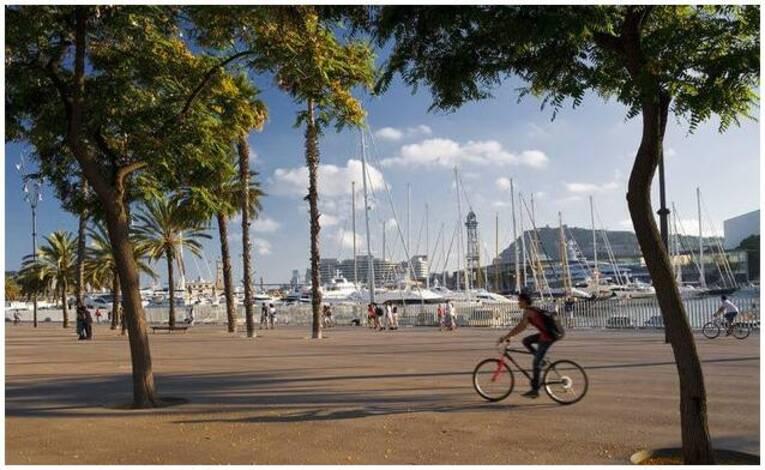
The promenade of Juan de Borbón and the island of Maians
What is known today as the Paseo de Juan de Borbón, in Roman times was pure sea, was the commitment of the citizens of Barcino first and later that of King Juan II of Aragon, with the construction of the city's first port, those who made Barcelona's coastline gain ground to the sea. Very close to where this walk takes place, there was a small island of fine sand called Maians Island, which the Catalan journalist Quim Monzó saved from oblivion in one of his stories. Today, it is undoubtedly a mythical island.
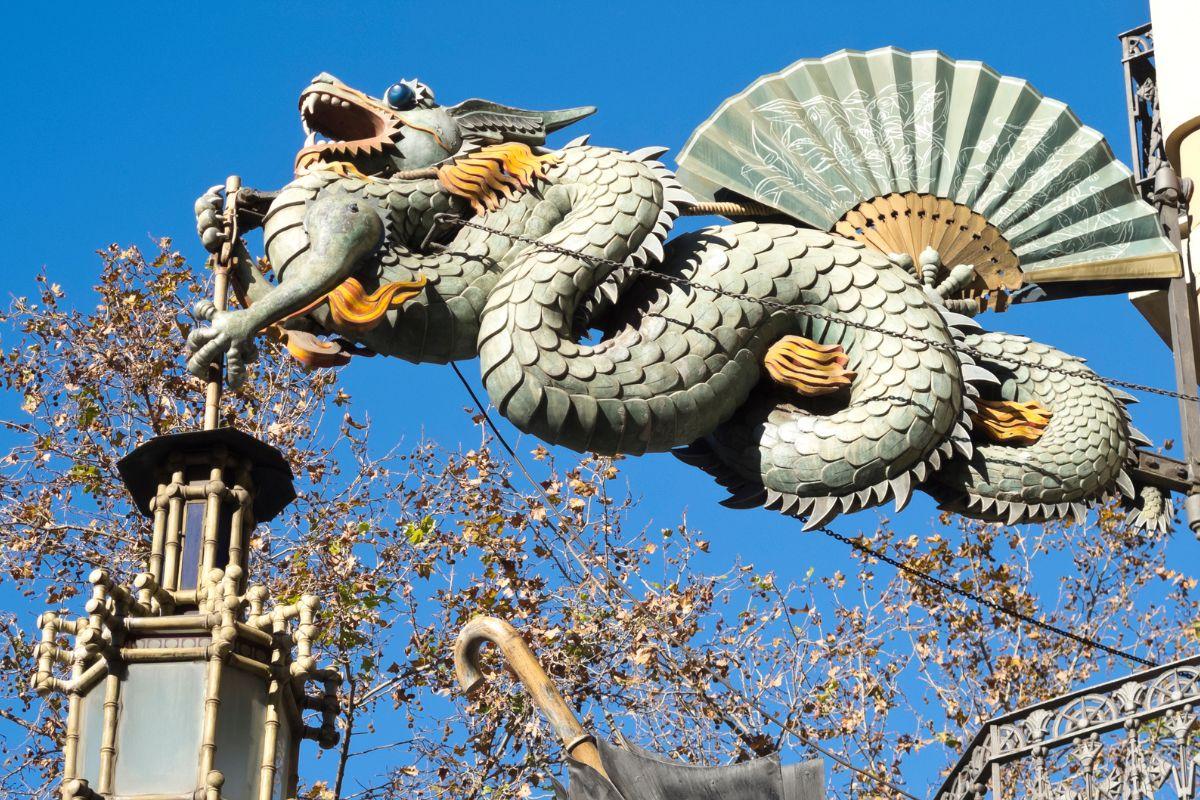
The Chinese dragon on the Ramblas
This Art Deco Chinese-style dragon holding a street lamp is located on Las Ramblas, in the so-called Umbrella House, and was designed as an advertisement for an old umbrella shop, from which one is also below.
The oldest house in Barcelona
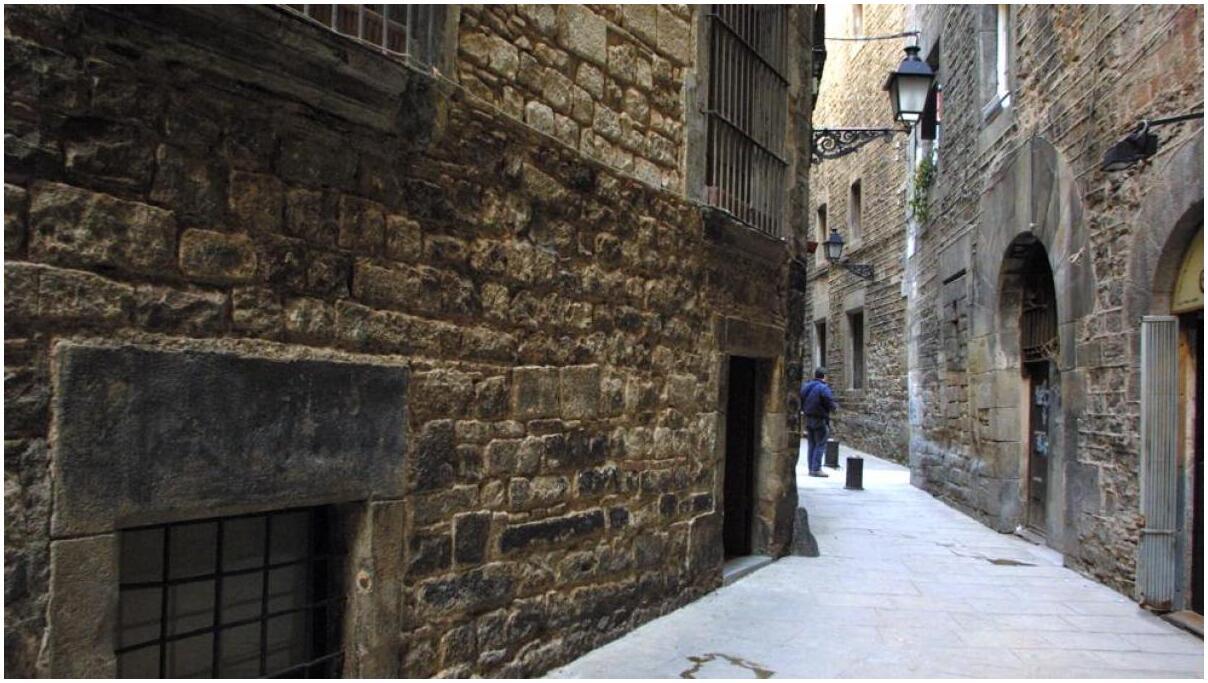
At number six on carrer Sant Domènec del Call is the oldest house in Barcelona, already inhabited in the 12th century. Many have seen its walls, now tilted by the earthquake of 1428, even used as a brothel in the post-war period. A must-see if you're visiting Barcelona.
Barcelona Exhibition Centre
The National Palace, built for the 1929 International Exhibition in the neo-Renaissance style on Montjuïc, has housed the National Art Museum of Catalonia since 1934, perhaps the most important Romanesque art museum in the world. It was in its central hall that Alfonso XIII and Queen Victoria Eugenia inaugurated Barcelona's Expo, and you can now stroll between the works.
The sparks of correfocs
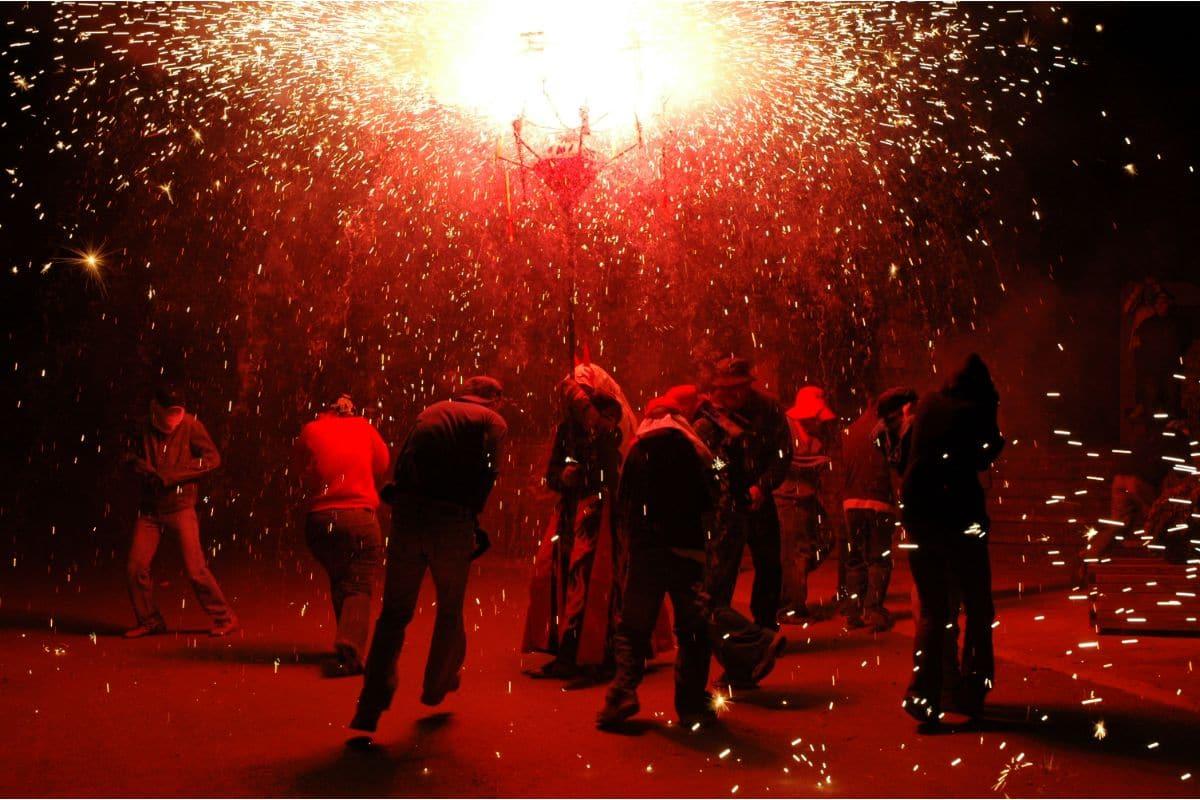
The Correfoc sparkle during the Mercè festivities. Alongside the Castells, sardanas and giants, they are undoubtedly another essential element in the celebrations of Barcelona's patron saint. These little devils in disguise run around the Via Laeiteana and the surrounding area, with firecrackers and fire-breathing dragons, enchanting young and not-so-young alike.
The gargoyle princess of the medallion of Saint George
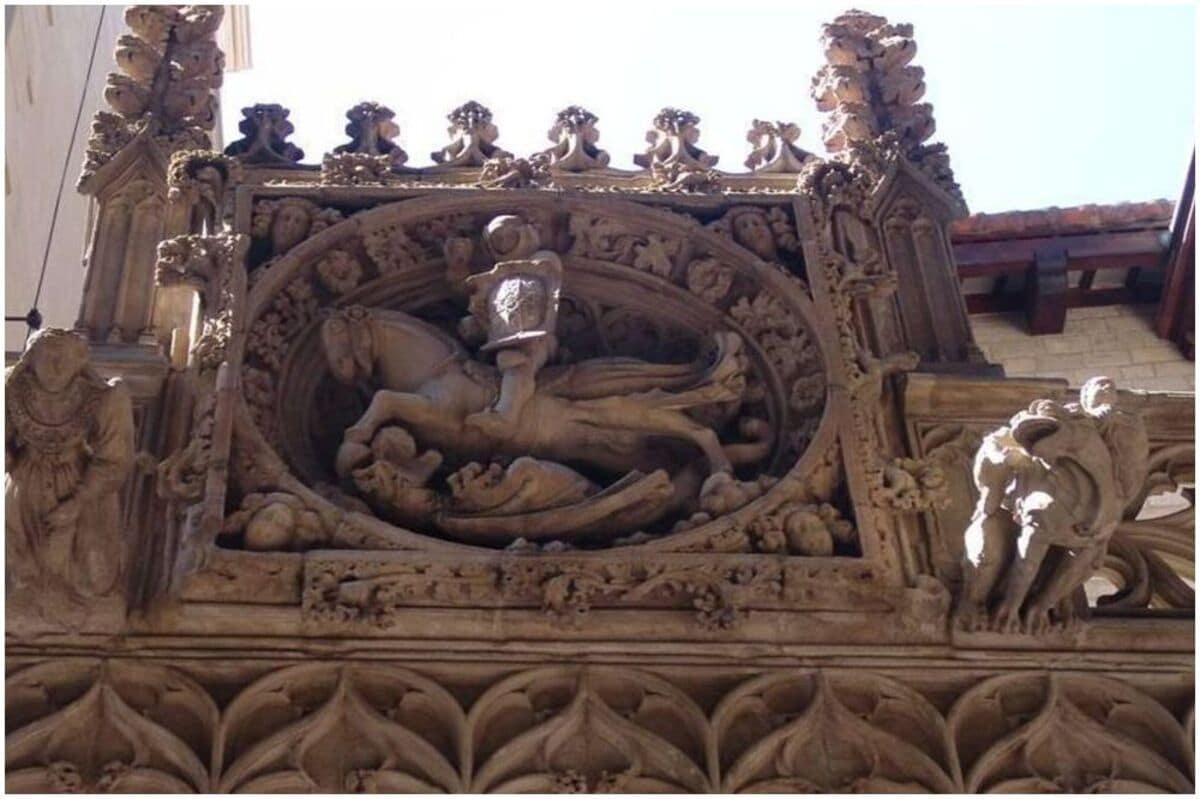
The gothic façade of the Palau de la Generalitat de Catalunya overlooks the rue de l'évêque, and features a frieze by the sculptor Père Johan, with a medallion depicting Saint George, patron saint of Catalonia, slaying the dragon. Among the gargoyles, just below the medallion, is a representation of the princess who, according to the story, saves the saint from the monster's jaws.
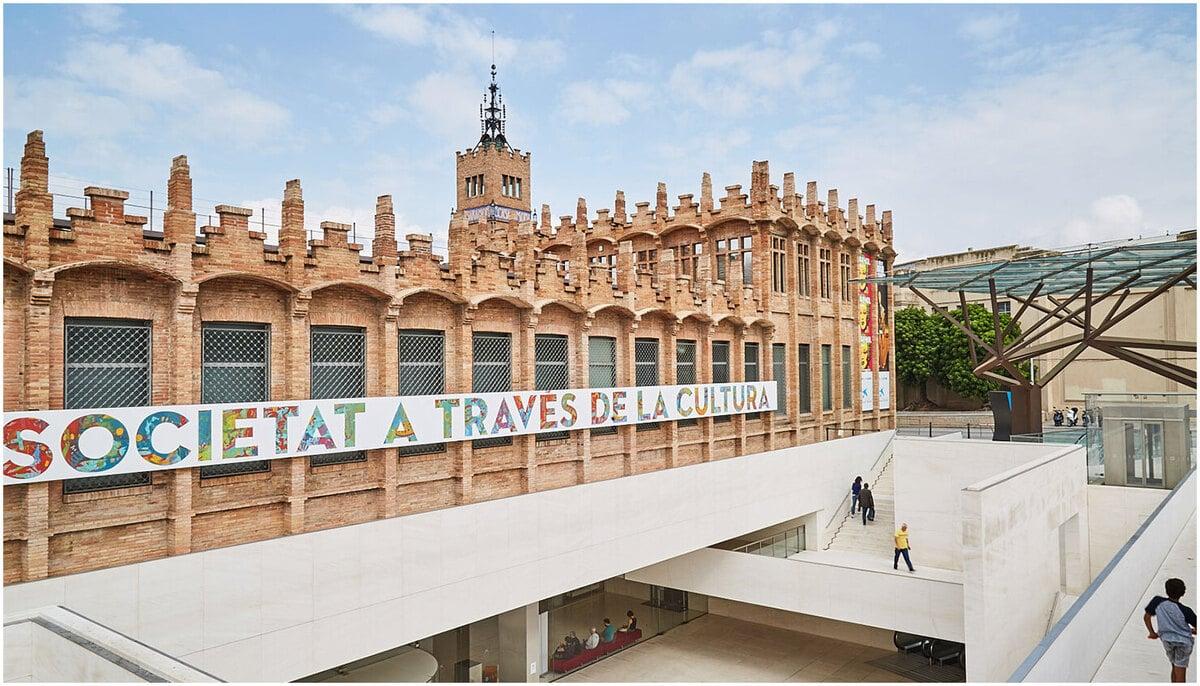
A factory called CaixaForum Barcelona
CaixaForum Barcelona occupies the former Casaramona factory, an impeccable Modernista-style building in exposed brick, the work of architect Josep Puig i Cadafalch. It was one of the most modern factories of its time, with large windows and high ceilings for light and good ventilation. In addition to having an electricity supply, thus avoiding the pollutant coal, and having two water tanks in the form of towers to avoid any kind of mishap. Today, this scale gives the institution a large exhibition space, which is used to imagine the most interesting cultural events in the Ciudad Condal.
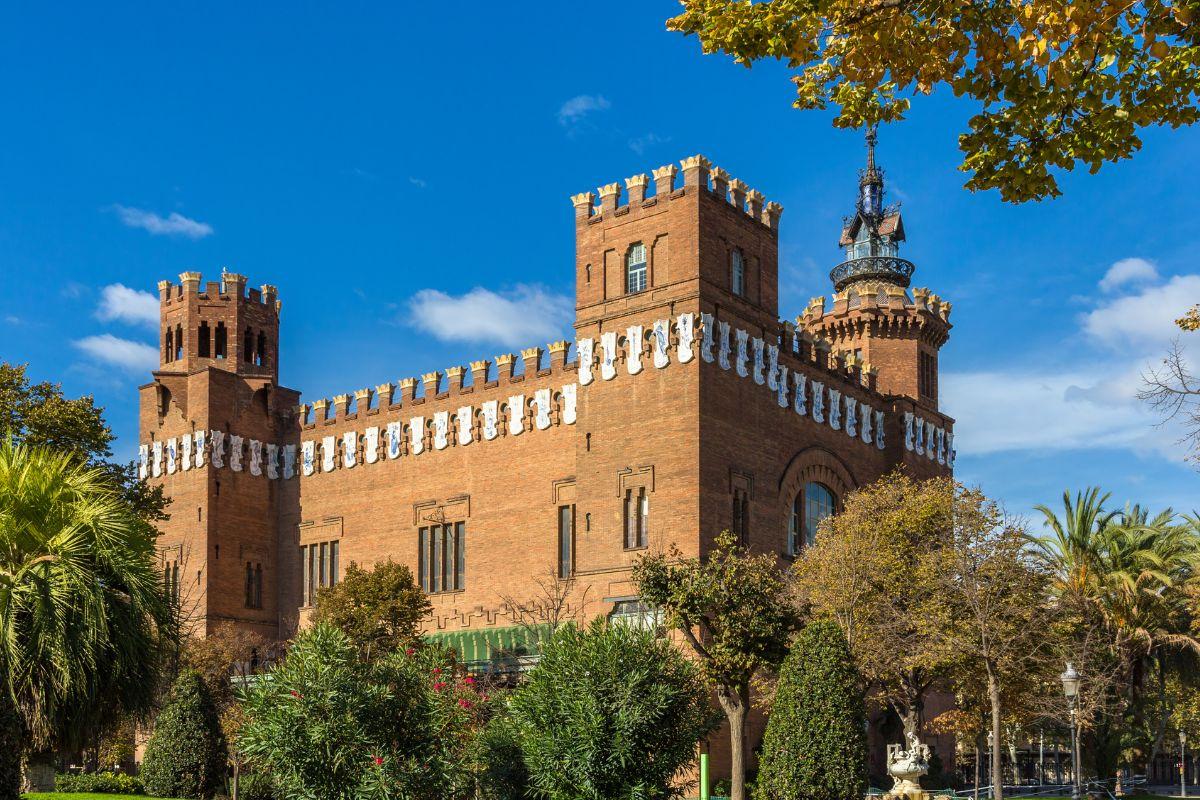
The Castle of the Three Dragons, a literary baptism
The name given to the pavilion built in the Parc de la Ciutadella by the architect Lluis Domènech i Montaner for the 1888 Barcelona Universal Exhibition, which was used as a café-restaurant, comes from the novel by Serafí Pitarra, The Castle of the Three Dragons. A key link in any visit to Barcelona.
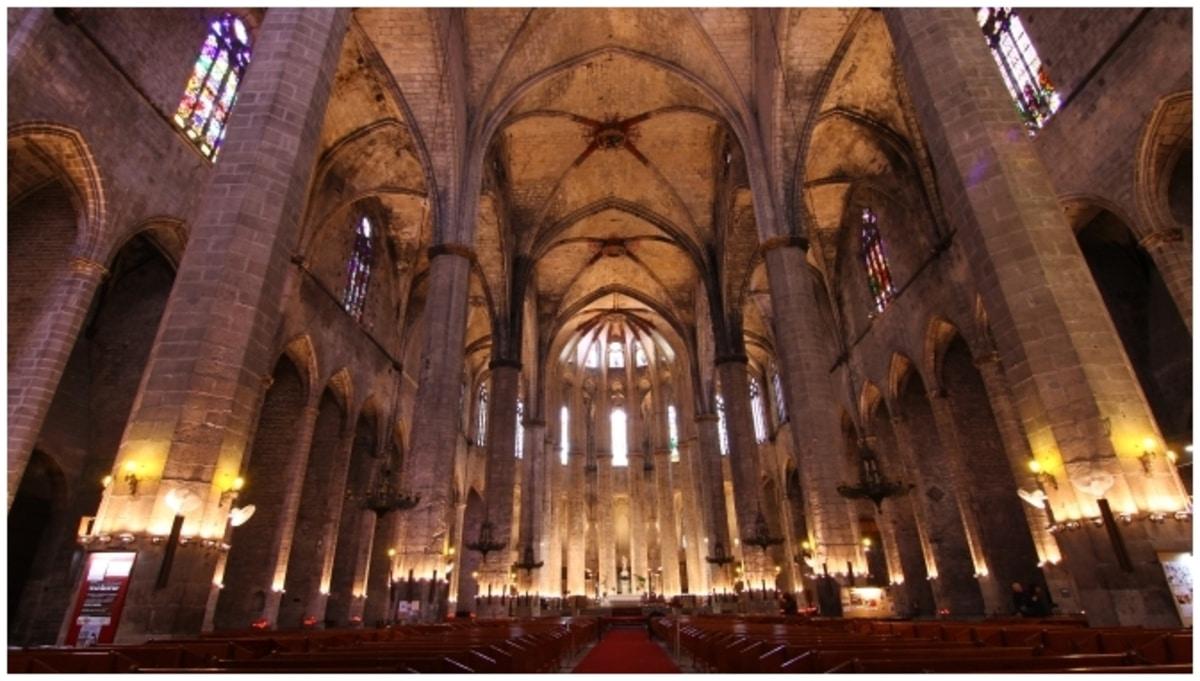
So where is Hermes? An itinerary will help you discover that the winged messenger lives in Barcelona.
What does Barcelona have to do with the messenger of the gods? A lot of history and sculptures. Hermes can be found inside the Basilica of Santa Maria del Mar, at the Bona Sort inn in Carrer Carders, at the Post Office... and we encourage you to discover the countless figures of this messenger in the city of Barcelona. And why this obsession with Hermès? Because as well as being the eternal messenger, he's also the patron saint of merchants, so between the 19th and 20th centuries, his figure was sculpted in public and bank buildings (and in others, almost as a superstitious way of attracting luck and money to one's business).
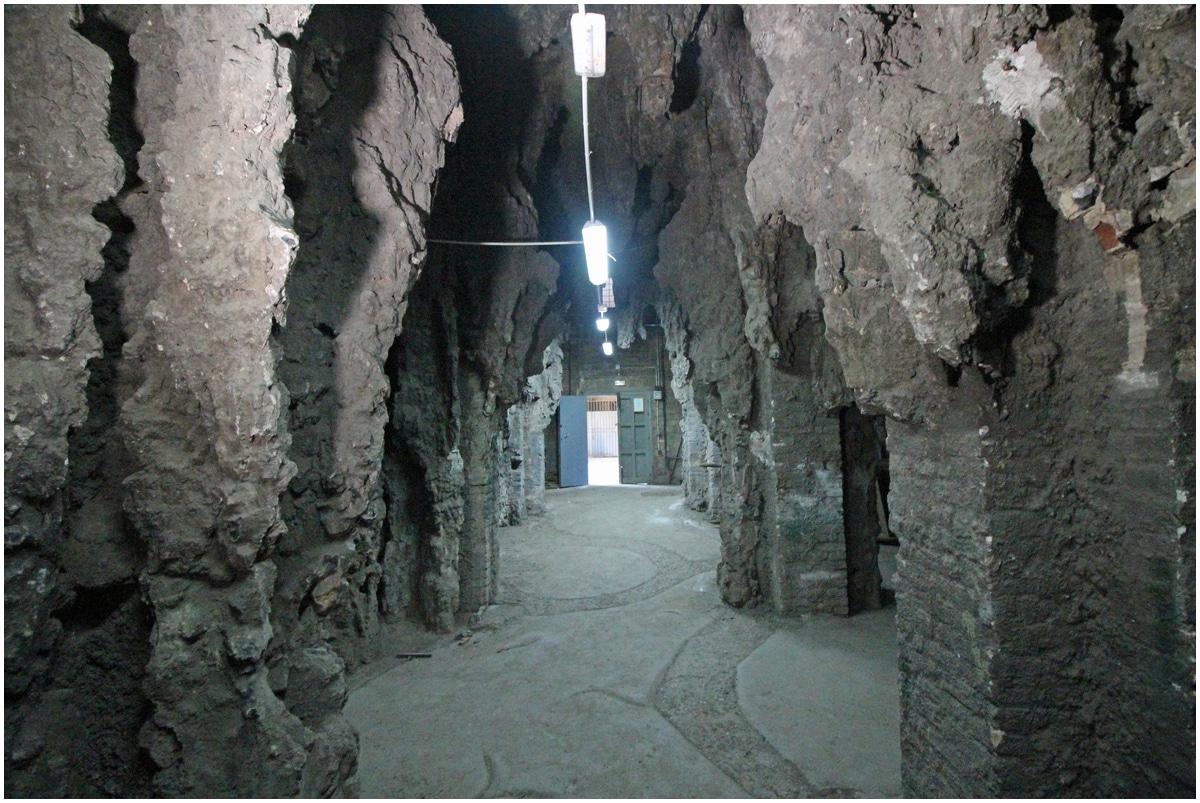
Gaudi's grotto beneath the Casaca Monumental de la Ciutadella
Josep Fontserè, in charge of urbanising the Parc de la Ciutadella, had a young Gaudi design the Casaca Monumental, who conceived the hydraulic system and designed a grotto beneath the monumental fountain. The fountain, which is now famous for its large number of sculptures, is crowned by a Cuádriga that has been covered with a golden patina.
Gaudi's lampposts in the Royal Square
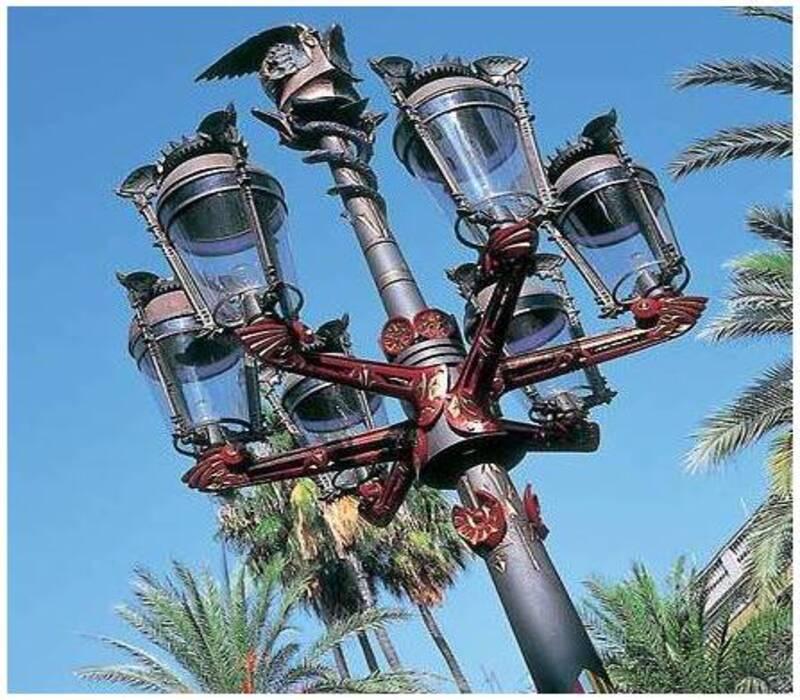
The six-armed lampposts that illuminate the Royal Square at night were designed by Antoni Gaudi in 1878, commissioned by the Town Hall.
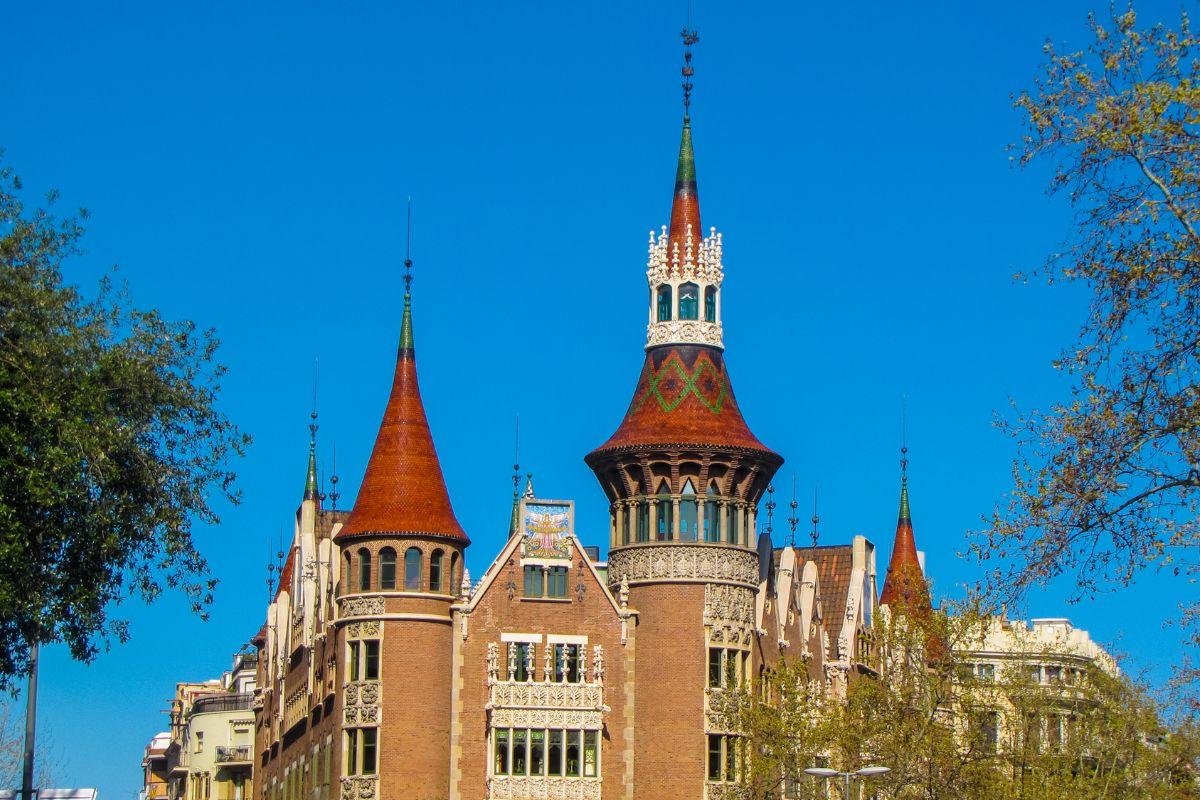
Casa de les Punxes, a castillo in miniature
The Casa Terrades is known as the Casa de les Punxes, because of the needles that crown its six conical towers. The work of the Modernista architect Josep Puig i Cadafalch, this building on the Diagonal is reminiscent of the Gothic buildings of the Netherlands in its forms, evident in its side façades, which apparently end in narrow blocks of triangular pediments. As it is privately owned, ordinary people can only admire its exterior, leaving the interior to its lucky tenants.
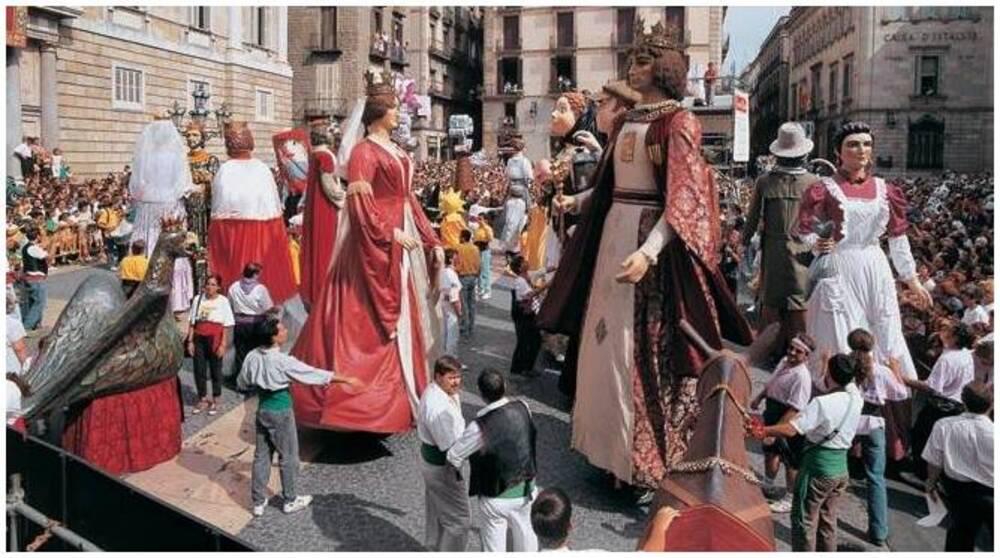
The Fiestas de la Mercè and its giants
The Fiestas de la Mercè date back to 1871, when Barcelona City Council drew up a programme to celebrate the festival of the Virgin de la Mercè. Since then, every 24 September, the town of Condal has given its heart and soul to its patron saint. It was in 1902 that its most significant symbols were introduced, such as the first meeting of the Giants of Catalonia, a phenomenon that is still a fan today.
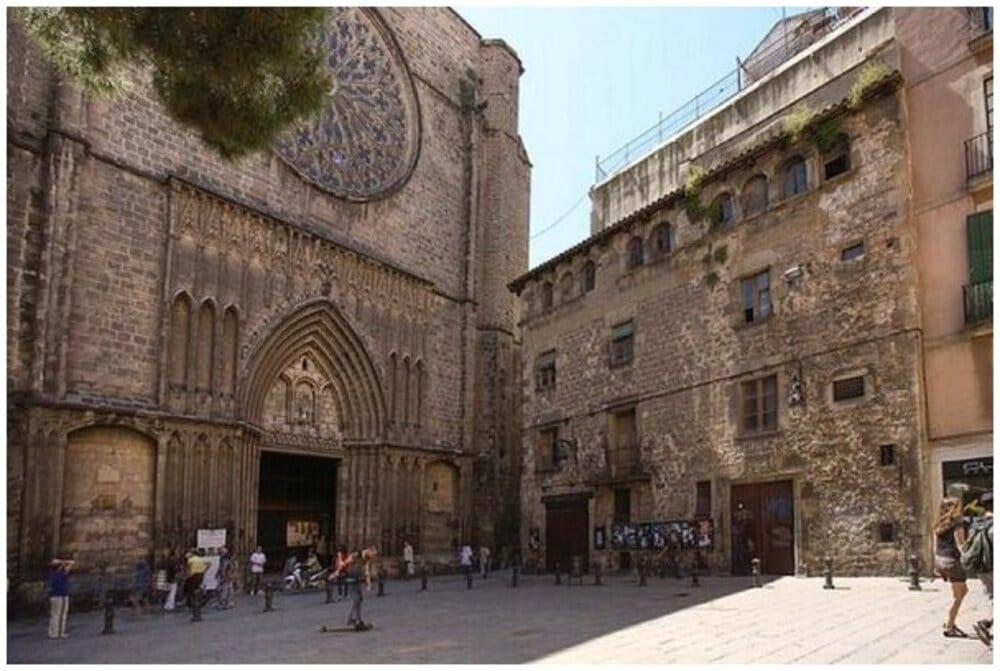
The pine tree in Plaça del Pi
It is said that the origin of the Plaça del Pi is the discovery by a sailor of an image of the Virgin at the top of a pine tree, pi in Catalan, which was located inside a new temple, which would today be the Church of the Pi, and the pine was taken in charge for its significance, gaining great freshness in the following centuries. With the Napoleonic invasions, one of the soldiers pierced the trunk with his bayonet killing the pine, which was replaced by another and later by another still today, as a symbol of the resistance of traditions. For the record, this square is also the venue for the monthly Honey Market, famous for the cheeses and artisanal pastries that bring Catalan producers to the city.
Barcelona's Gare de France
The Gare de France was Barcelona's first large monumental station, built to increase the capacity of the existing station, and does not skimp on luxury in its decoration. In a great technical effort, the station was to be the gateway for visitors to the 1929 International Exhibition, but King Alfonso XIII inaugurated it two weeks after the start of the festivities for the macro event. It is not known whether the money was returned to anyone because of the delay.